Nakuru’s Growing Pains: How Political Gridlock Stalls Kenya’s Newest City

SUMMARY

Nakuru’s promotion to city status brought hope for better public services and modern growth. Instead, political fights between local leaders and budget delays have slowed down real development. Critical funds sit unused while basic infrastructure crumbles. At the same time, public healthcare suffers from unresolved labor disputes, and city services often go to political allies rather than qualified experts. For Nakuru to become a true economic hub, the city must choose administrative competence over political games.

Nakuru’s recent elevation to city status carried the promise of modernized urban management, but the reality is frequently hijacked by local political theater. As the county executive and the Members of the County Assembly (MCAs) maneuver ahead of the 2027 elections, budget standoffs have become the norm rather than the exception. Local media continuously cover these assembly wrangles, where MCAs hold county budgets hostage to secure ward-level patronage funds. This political gridlock directly delays the formation and empowerment of municipal boards, meaning critical urban infrastructure funds—such as those from the World Bank’s Kenya Devolution Support Program (KDSP)—often lie idle while the city’s drainage and solid waste management systems decay.
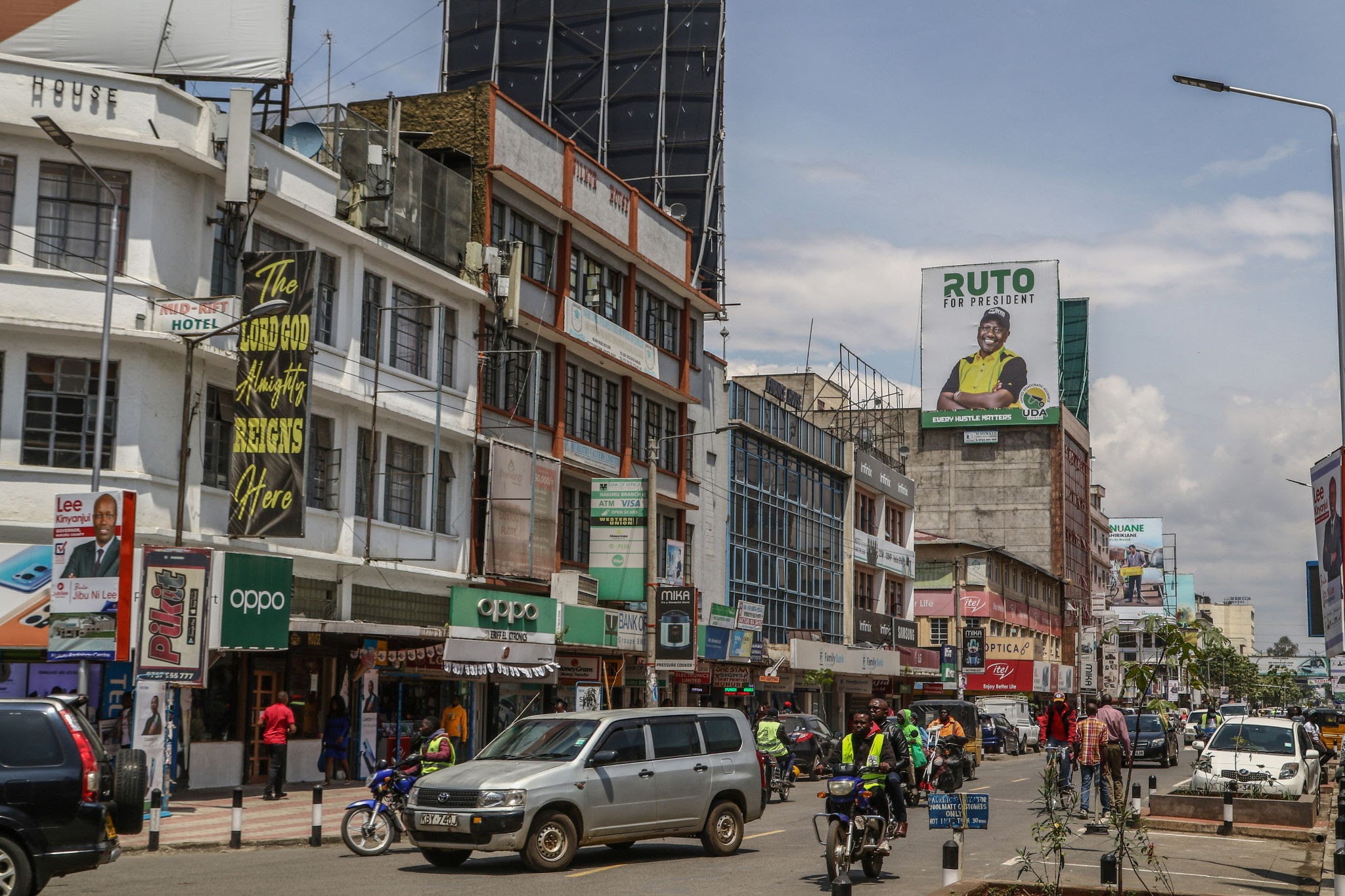
NAKURU, KENYA – 2022/08/15: A poster with the image of Kenya Kwanza Alliance presidential candidate, William Ruto, is seen on Kenyatta Avenue in Nakuru City ahead of the presidential declaration of the winner of the just concluded general election. (Photo by James Wakibia/SOPA Images/LightRocket via Getty Images)

The most immediate victim of this political distraction in Nakuru is the healthcare sector. While the county administration has made publicized attempts to stabilize its workforce—such as recently transitioning over 300 health workers to permanent terms—these efforts are constantly swallowed by the wider context of unresolved, politicized labor disputes. News reports have painted a grim picture at the Nakuru Level 5 Hospital during the nationwide clinical officers’ and nurses’ strikes. Because political leaders failed to honor previously negotiated Collective Bargaining Agreements (CBAs) in favor of funding other political priorities, patients in Nakuru are frequently turned away from locked public wards, forcing the urban poor to seek expensive private care or face fatal consequences.

Ultimately, Nakuru’s dilemma is that its city planning is subordinated to political loyalty. When municipal tenders for basic services like street lighting or garbage collection are awarded to political cronies rather than competent contractors, the city’s aesthetic and functional appeal plummets. Instead of a technically driven city management team, the administration is burdened by a politically motivated workforce. For a city aspiring to be a regional economic hub, this continuous cycle of prioritizing voter mobilization over administrative competence threatens to permanently stall Nakuru’s urban development.

References:

Daily Nation Uncertainty for residents, businesses in Nakuru amid ‘total shutdown’ plan

KTN News Kenya Nakuru clinical officers threaten to withdraw remaining staff as strike enters 38th day

Tuko 6 Nakuru Lands Officials Charged in KSh 50 Million Procurement Scandal

Is Lake Nakuru’s Ecosystem at Risk Due to Pollution and Illegal Fishing?

Lake Nakuru National Park, a renowned Kenyan wildlife sanctuary and UNESCO World Heritage Site, is facing a multifaceted crisis. While celebrated for its breathtaking scenery and diverse wildlife, the park is grappling with encroachment, illegal fishing, and escalating sociopolitical and moral conflicts. These issues are intertwined with the adverse effects of pollution, primarily from untreated sewage and industrial waste discharged into the lake from Nakuru town. This pollution not only contaminates the water and renders the fish unsafe for human consumption but also disrupts the delicate balance of the ecosystem, threatening the survival of various species and the livelihoods of surrounding communities.

A Report by Nakuru Today

The presence of fish in Lake Nakuru, once a predominantly saline lake, adds another layer of complexity to this crisis. The introduction of fish, primarily tilapia, can be traced back to an accidental spill from a fish farm uphill in the 1960s. This incident, coupled with the rising water levels that began in 2010, transformed the lake’s environment, making it more habitable for freshwater fish. The rising waters also submerged riparian land, displacing communities and intensifying human-wildlife conflicts. As a result, many residents turned to fishing as a source of livelihood, leading to a surge in illegal fishing activities despite the ban and health risks associated with consuming contaminated fish.

This situation has given rise to a clash between conservation efforts and the socioeconomic needs of local communities. While the Kenya Wildlife Service (KWS) enforces regulations against fishing and encroachment, impoverished communities view the lake as a vital resource for survival. This tension is further exacerbated by allegations of brutality and abuse of power by KWS officers against individuals caught fishing . Addressing this crisis requires a comprehensive approach that prioritizes pollution control as a means to restore the lake’s ecosystem and ensure the safety of the fish. This would pave the way for regulated fishing activities that benefit local communities while upholding conservation goals. Furthermore, fostering dialogue and collaboration between KWS and the community, ensuring ethical conduct within KWS, and promoting alternative livelihood opportunities are crucial steps towards achieving a sustainable and just solution.

References:

Nation The slow death of Lake Nakuru

Mtaa Wangu Nakuru X Space discussion reveals deeper issues in Lake Nakuru fishing menace

Kenya News Agency Uncertain future for wildlife and native plant species at Lake Nakuru National Park as invasive plant species wipe out grasslands and strangle natural fauna

Radio Baraza The Threat to Nakuru’s Green Belt: Human Encroachment Endangers a Vital Ecosystem