SUMMARY
Nakuru’s promotion to city status brought hope for better public services and modern growth. Instead, political fights between local leaders and budget delays have slowed down real development. Critical funds sit unused while basic infrastructure crumbles. At the same time, public healthcare suffers from unresolved labor disputes, and city services often go to political allies rather than qualified experts. For Nakuru to become a true economic hub, the city must choose administrative competence over political games.
Nakuru’s recent elevation to city status carried the promise of modernized urban management, but the reality is frequently hijacked by local political theater. As the county executive and the Members of the County Assembly (MCAs) maneuver ahead of the 2027 elections, budget standoffs have become the norm rather than the exception. Local media continuously cover these assembly wrangles, where MCAs hold county budgets hostage to secure ward-level patronage funds. This political gridlock directly delays the formation and empowerment of municipal boards, meaning critical urban infrastructure funds—such as those from the World Bank’s Kenya Devolution Support Program (KDSP)—often lie idle while the city’s drainage and solid waste management systems decay.
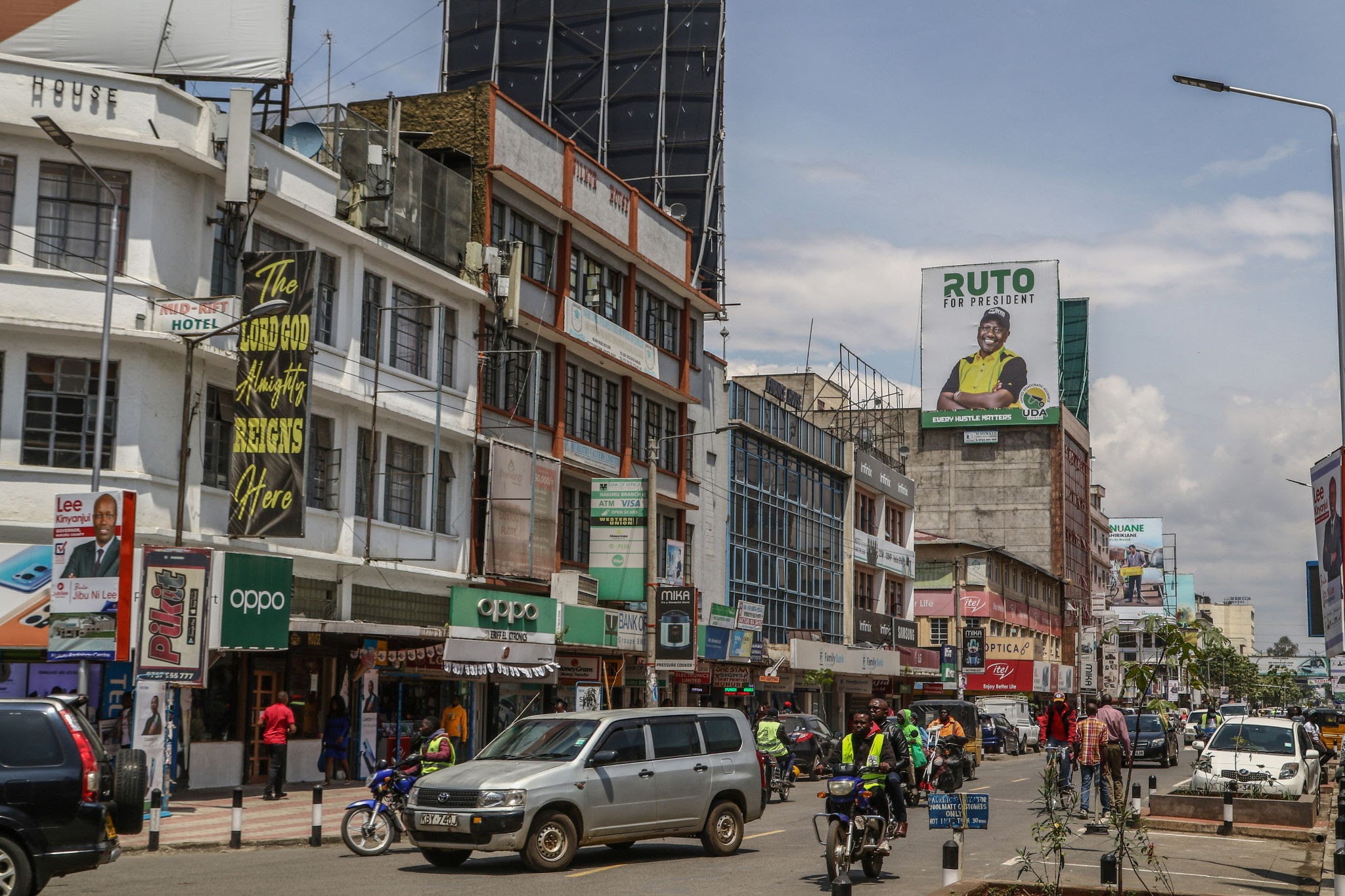
The most immediate victim of this political distraction in Nakuru is the healthcare sector. While the county administration has made publicized attempts to stabilize its workforce—such as recently transitioning over 300 health workers to permanent terms—these efforts are constantly swallowed by the wider context of unresolved, politicized labor disputes. News reports have painted a grim picture at the Nakuru Level 5 Hospital during the nationwide clinical officers’ and nurses’ strikes. Because political leaders failed to honor previously negotiated Collective Bargaining Agreements (CBAs) in favor of funding other political priorities, patients in Nakuru are frequently turned away from locked public wards, forcing the urban poor to seek expensive private care or face fatal consequences.
Ultimately, Nakuru’s dilemma is that its city planning is subordinated to political loyalty. When municipal tenders for basic services like street lighting or garbage collection are awarded to political cronies rather than competent contractors, the city’s aesthetic and functional appeal plummets. Instead of a technically driven city management team, the administration is burdened by a politically motivated workforce. For a city aspiring to be a regional economic hub, this continuous cycle of prioritizing voter mobilization over administrative competence threatens to permanently stall Nakuru’s urban development.
References:
Daily Nation Uncertainty for residents, businesses in Nakuru amid ‘total shutdown’ plan
KTN News Kenya Nakuru clinical officers threaten to withdraw remaining staff as strike enters 38th day
Tuko 6 Nakuru Lands Officials Charged in KSh 50 Million Procurement Scandal

