The transition from traditional, manual fertilizer distribution to the Kenya Integrated Agriculture Management Information System (KIAMIS) represents one of the most significant shifts in the nation’s agricultural history. As of late 2025, the Ministry of Agriculture has officially taken full ownership of this digital registry, which now hosts data for over 7.1 million smallholder farmers. This digital “handshake” is no longer a mere pilot program but the mandatory gateway for anyone seeking to purchase subsidized DAP, NPK, or CAN fertilizer at the government-capped price of Ksh 2,500. For the Kenyan farmer, this means the end of “analog” vouchers and the birth of a data-driven system where eligibility is determined not by a physical queue, but by a biometric profile and a verified USSD record. However, as Jijuze has discovered, the sheer scale of this migration has created a new set of digital hurdles that many are struggling to navigate.
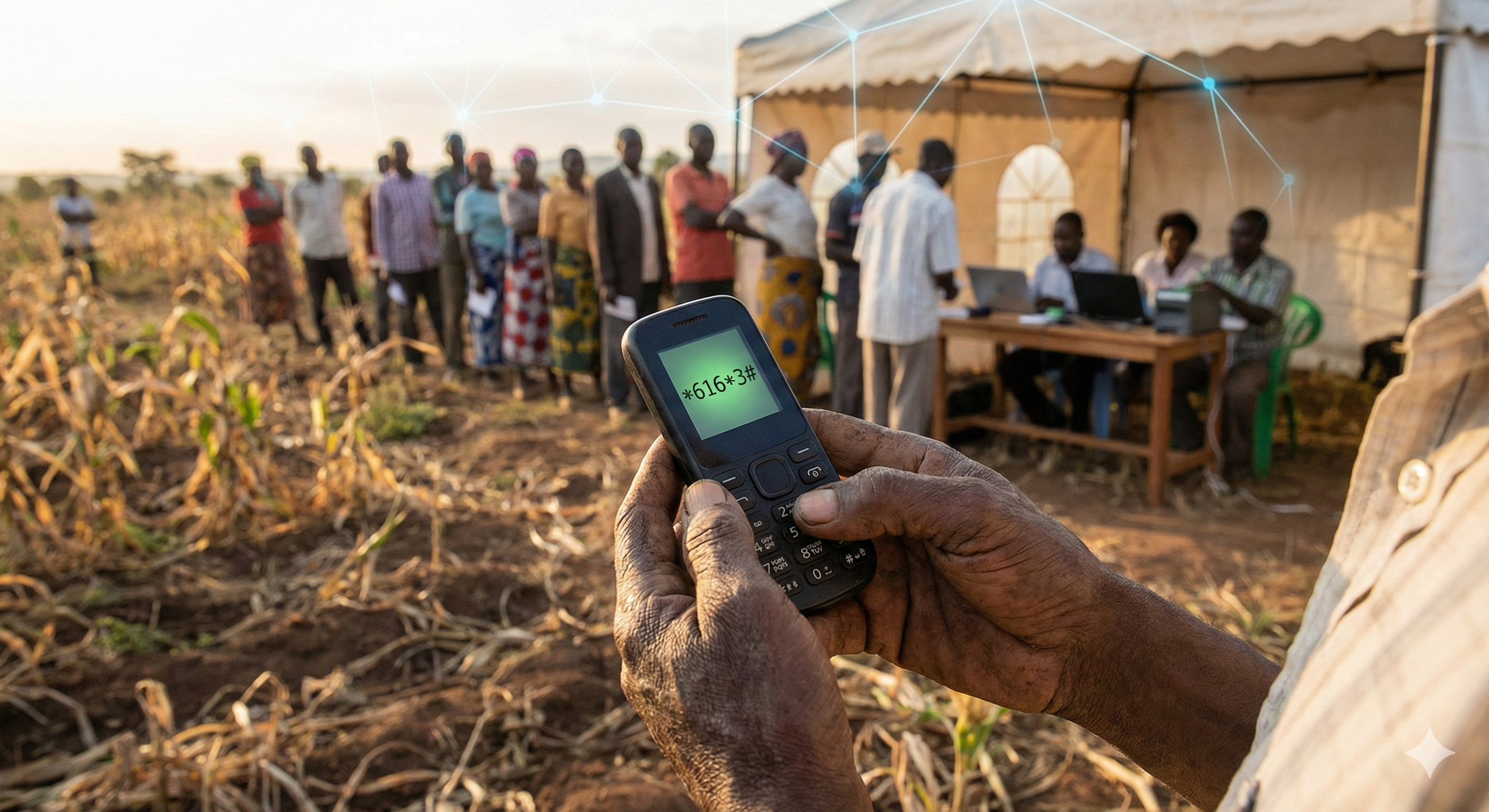
At the heart of this system lies the *616*3# USSD code, a simple string of digits that serves as the farmer’s primary interface with the KIAMIS cloud. When a farmer dials this code, they are not just checking a balance; they are interacting with a complex backend that validates their land acreage, crop type, and regional location. The 2025 updates to the platform have introduced even more granular requirements, including the integration of climate-shock insurance directly into the registration process. This means that for a farmer to receive an e-voucher via SMS, their data must be fully validated by both the local Assistant Chief and the Sub-County Agricultural Officer. We have received reports that thousands of farmers who believed they were “registered” are being turned away at National Cereals and Produce Board (NCPB) depots because their profiles lack these critical secondary validations, highlighting a gap between initial data entry and final system approval.
For the modern Kenyan smallholder, understanding the “Digital Gatekeeper” is now as essential as understanding the soil itself. The government’s 2025 policy emphasizes that the e-voucher system is designed to eliminate the “middleman” and “ghost farmers” who previously diverted subsidized stocks to the black market. By tying every bag of fertilizer to a specific ID number and a geo-tagged farm, the KIAMIS platform ensures that resources reach the intended hands. Yet, this digital-first approach demands a higher level of technical literacy. Farmers must ensure their mobile numbers are correctly linked to their ID and that they have not exceeded the allocated bags per acre—a limit strictly enforced by the algorithm. As the planting season approaches, the message from the Ministry is clear: the era of walking into a depot with just cash is over; if you are not in the cloud, you are not on the farm.
References:
Jijuze How to Access Subsidized Fertilizer in Kenya
Sacco Review Gov’t rolls out pioneering insurance-integrated fertilizer subsidy to safeguard smallholder farmers
The Kenya Times How Kenyans Can Apply for Govt Fertilizer Subsidy Program
Eagmark Agri-Hub Kenya Takes Ownership of National Digital Farmer Registry

 Jijuze