Kenya faces a significant health crisis due to the widespread use of biomass fuels like firewood and charcoal for cooking. A recent study highlighted that over 90% of rural households and 58% of all households use the Three Stone Open Fire (TSOF), a method that produces high levels of indoor air pollution (IAP). These pollutants, including particulate matter (PM) and carbon monoxide, far exceed World Health Organization (WHO) safety guidelines, leading to respiratory diseases, cardiovascular problems, and increased cancer risks. The study estimates that nearly 23,000 deaths in Kenya in 2020 were attributable to IAP, underscoring the severity of the issue.
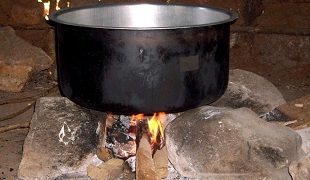
The reliance on biomass fuels is driven by economic constraints and cultural practices, with rural households often lacking access to cleaner alternatives. The study found that even improved cookstoves, while better than TSOF, only partially reduce emissions. Furthermore, the transition to clean energy is hindered by the high cost of alternatives and limited infrastructure. The high levels of PM2.5, a fine particulate matter that can penetrate the lungs and bloodstream, particularly in urban slums, pose severe health risks, including chronic obstructive pulmonary disease (COPD), asthma, and acute lower respiratory infections (ALRI), disproportionately affecting women and children who are often exposed to cooking smoke for extended periods.
To address these challenges, the Kenyan government should prioritize the implementation of clean energy solutions. Emphasizing solar energy could be particularly impactful, as it provides a sustainable, long-term solution that can be scaled across both urban and rural areas. Subsidizing solar panels and supporting community-based solar cooking initiatives could significantly reduce dependence on harmful biomass fuels. Additionally, promoting public awareness about the health risks of IAP and improving household ventilation are crucial steps. A multifaceted approach, involving various stakeholders, is essential to reduce the reliance on harmful biomass fuels and improve public health outcomes across the nation.
References:
Kenya Household Cooking Sector Study Ministry of Energy, 2019
Springer Link Indoor Air Pollution in Kenya
Nation ‘Cooking with firewood affects my health but I don’t have an alternative’
 Jijuze