Addressing Unrest in Kenya: Youth Engagement and Reforms

In recent weeks, Kenya has experienced a surge in protests predominantly led by Generation Z, who are voicing their dissatisfaction with the Finance Bill 2024 and broader governance issues. Initially peaceful, these demonstrations have been disrupted by violent infiltrations, leading to looting and confrontations with the police. President William Ruto has acknowledged the grievances of the youth and expressed a willingness to engage in dialogue, while emphasizing the need to maintain public order. Human rights organizations have criticized the government’s response, highlighting the need for accountability and a more nuanced approach to managing protests. These organizations argue that peaceful demonstrators should not be conflated with criminal elements who exploit the situation for personal gain.
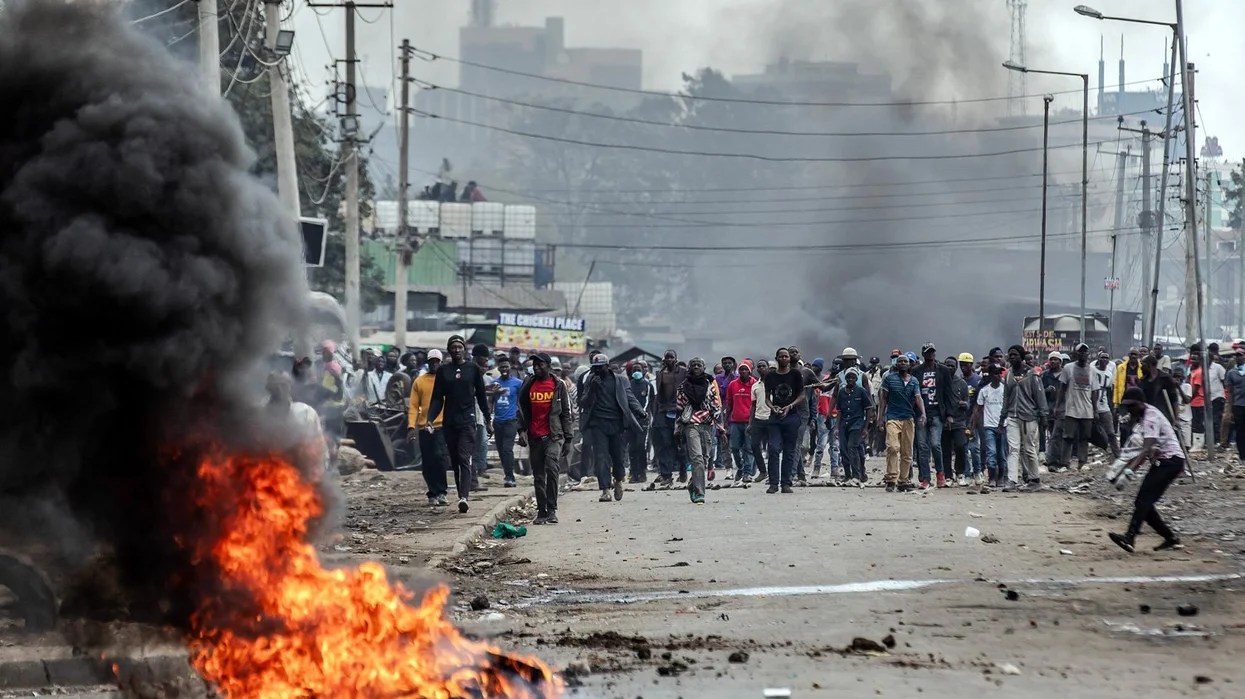
Gen Z protestors barricade road in Nairobi

The Kenyan protests contrast sharply with the Arab Spring demonstrations, which were characterized by widespread, often leaderless uprisings against autocratic regimes across the Middle East and North Africa. The Arab Spring saw governments toppled and significant political upheaval, driven by a combination of economic despair, political repression, and a desire for democratic reforms. In contrast, the Kenyan protests are more structured, with specific economic and social grievances articulated by the youth. While the Arab Spring often faced violent crackdowns, the Kenyan government’s approach has been to engage in dialogue and propose reforms, although incidents of police brutality have been reported. This approach underscores the Kenyan administration’s recognition of the legitimacy of the protesters’ demands, even as it grapples with maintaining public order.

To address the current unrest effectively, it is essential for the Kenyan government to establish a structured dialogue platform with youth leaders. This platform should facilitate regular consultations to address grievances and co-create solutions. Reassessing the Finance Bill 2024 in collaboration with economic experts and community representatives could help address the underlying economic concerns driving the protests. Comprehensive police reforms are also necessary to ensure law enforcement operates with greater accountability and respect for human rights. Effective public communication strategies are vital to fostering transparency and understanding between the government and the populace. Supporting peaceful protests by providing security and preventing infiltration by criminal elements is essential to safeguarding the rights of demonstrators and maintaining public order. These measures, aligned with studies on youth demonstrations’ impact on political change in Africa, can help Kenya navigate this period of unrest constructively and restore trust between the government and its citizens.

References:

The Star Leaders condemn infiltration of Gen Z protests by goons

France24 Kenyan police arrest hundreds accused of looting during anti-government protests

Citizen Digital ‘Ragtag Militia Infiltrating Peaceful Protests,’ Gideon Moi Condemns Violence In Protests

Lethal Repression of Peaceful Protest in Africa. Why Do (non-) Accountable and Military Regimes Shoot By Torsten Mix, Master’s in International Security (Downloadable dissertation paper)

Accord Youth Demonstrations and their Impact on Political Change and Development in Africa

AllAfrica Kenya: Youths March in Tribute to Anti-Budget Protest Victims in Nairobi
Rising Tensions in Kenya: Public Outcry and Unrest Amid Finance Bill Controversy

Kenya has been rocked by a week of heavy protests against President William Ruto’s proposed Finance Bill 2024, which aimed to raise $2.7 billion through new taxes on basic commodities, motor vehicles, and financial transactions. The widespread public outcry and violent demonstrations led to the bill’s withdrawal, highlighting the deep-seated discontent among the Kenyan populace. Despite this concession, protests continue across major cities like Nairobi, with citizens demanding more significant changes, including Ruto’s resignation, amid frustrations over the rising cost of living and lack of economic opportunities.

Thursday protests in Nakuru

The protests have exposed broader grievances against the government. The heavy military presence in response to the unrest has further fueled tensions, with reports indicating over 20 deaths, 300 injuries, and numerous arrests as police used tear gas to disperse crowds. Amidst this turmoil, President Ruto signed the Appropriations Bill into law, subject to an adjusted supplementary budget, to ensure expenditure on critical services. This move aims to operate under the Finance Act 2023, financing a Sh3.9 trillion budget for the upcoming financial year. However, the government’s plan to reintroduce the Finance Bill with amendments has not yet succeeded in quelling the unrest. Engaging in meaningful dialogue with citizens, particularly the youth who are at the forefront of these demonstrations, is crucial for moving forward.

Addressing the underlying economic issues, implementing transparent governance, and ensuring that future fiscal policies do not disproportionately burden the poor will be vital steps in restoring trust and stability. The Kenyan government must take concrete actions to address the grievances that have fuelled the protests, such as creating job opportunities, reducing living costs, and increasing government accountability. These measures would demonstrate a genuine commitment to addressing the needs of the Kenyan people and help to ease the current tensions.As the situation evolves, the government’s responsiveness and the public’s resilience will shape Kenya’s path toward resolving this crisis. It is essential for everyone to remain vigilant against misinformation and cheap propaganda that can exacerbate divisions and hinder constructive dialogue. Accurate information and open communication will be key in navigating this period of unrest and working towards a more equitable and prosperous Kenya. In these turbulent times, a collective effort is required to ensure that the voices of all Kenyans are heard and that the country’s leadership takes meaningful steps to address the root causes of the unrest.

References:

Reuters Kenya’s young protesters plot next moves after dramatic tax win

The Star Empty roads, closed shops: Gen Z scale down protests amid heavy military deployment
Kenya News Agency Scores Nursing Injuries Sustained In Protests

All Africa Kenya: President Ruto Signs Appropriations Bill Subject to Adjusted Supplementary Budget

The Impact of Digital Activism: Gen Z Protests Reshape Political Engagement in Kenya

The recent protests in Kenya against the Finance Bill 2024 highlight a significant shift in political activism, driven largely by Gen Z. These protests, organized under the banner of “Occupy Parliament,” leveraged digital platforms and social media to mobilize widespread participation across major cities. Digital tools, including AI-generated content and crowdfunding, played a crucial role in spreading information and organizing logistics. This wave of digital activism marks a departure from traditional ethnic-based mobilization to issue-based activism, as noted by Job Mwaura, a postdoctoral researcher at the Wits Centre for Journalism. The spontaneity and grassroots nature of these protests underscore a new era of political engagement in Kenya.

Government spokesperson Isaac Mwaura has suggested that foreign powers might be influencing these protests, citing President William Ruto’s international stances on issues like Russia’s aggression against Ukraine and calls for global financial reforms. Mwaura’s claims highlight the complex interplay between local discontent and international politics. The digital activism fueling these protests demonstrates a sophisticated use of technology, with young Kenyans employing strategies like AI to educate the public and hacking to draw attention to their cause. This digital-driven movement has successfully transitioned from online platforms to real-world actions, compelling political leaders to listen and even amend parts of the Finance Bill before its passage.

To resolve the conflict, the Kenyan government must enact legislative reforms that address the economic and social grievances of the youth. Firstly, a review and possible amendment of the Finance Bill 2024 should be undertaken to reduce the burden of punitive taxes on young people and marginalized communities. Additionally, legislation that promotes transparency and accountability in government spending could build trust. Establishing a Youth Advisory Council to provide input on policies affecting young people could ensure their voices are heard in the legislative process. Finally, creating legal frameworks to protect digital activism and free speech can foster an environment where the youth feel empowered to engage constructively in political discourse. These measures can bridge the gap between the government and its youth, ensuring stability and progress while maintaining the momentum of positive political change driven by a digitally empowered generation.

References:

The Star Foreign powers behind Gen Z protests, Isaac Mwaura alleges

Nation Angry and unafraid: When Gen Z storm country’s streets

The Conversation Kenya protests: Gen Z shows the power of digital activism – driving change from screens to the streets