Navigating Change: The Path Ahead for Kenya’s Acting Inspector General of Police

The Kenyan Police Service stands at a crossroads, facing both challenges and opportunities as it enters a new chapter under Acting Inspector General Douglas Kanja. Kanja’s appointment follows the resignation of Japhet Koome, whose tenure was marked by controversy, particularly surrounding the handling of recent anti-government protests.
Former Inspector General of Police – Japhet Koome

Koome took office in November 2022, bringing with him 31 years of experience within the force. He had previously served as Nairobi County Police Commander and Commandant of the National Police Service College in Kiganjo. His appointment was meant to bring stability and reform after a period of political turbulence and public distrust in law enforcement. However, his time in office was overshadowed by escalating tensions between citizens and authorities, fueled by President Ruto’s administration’s introduction of controversial tax hikes.

The protests that erupted in response were met with a heavy-handed police response, resulting in at least 39 deaths according to Kenya’s national rights watchdog. This sparked widespread condemnation both domestically and internationally, with accusations of excessive force and human rights violations leveled against the police. Public outcry intensified, leading to calls for Koome’s resignation and an overhaul of the police force. While President Ruto initially dismissed the protesters, mounting pressure forced him to concede, ultimately accepting Koome’s resignation on July 12th, 2024 and appointing Kanja as Acting Inspector General.

The situation highlights several deeply rooted issues within Kenya: the ever-present struggle for economic justice, concerns over government transparency and accountability, and a history of police brutality that continues to erode public trust. Kanja now faces the daunting task of restoring faith in the police service while addressing these fundamental challenges. His success will depend on his ability to implement meaningful reforms, promote human rights, and build bridges between law enforcement and the communities they serve.

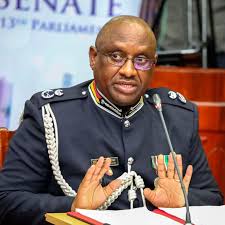
Acting Inspector General of Police – Douglas Kanja

Looking ahead, Kanja’s leadership presents an opportunity for positive change within the Kenyan Police Service. He can prioritize de-escalation tactics during protests, strengthen internal oversight mechanisms to ensure accountability, and invest in community policing initiatives that foster trust and collaboration. It is crucial for him to engage with civil society organizations, human rights groups, and ordinary citizens to understand their concerns and work together towards a more just and equitable society. The road ahead will undoubtedly be challenging, but with commitment, transparency, and a genuine desire to serve the people, Kanja can pave the way for a more effective and ethical police force in Kenya.

References:

Citizen Digital Japhet Koome Sworn In As New Inspector General Of Police

The Star 8 police bosses shortlisted for Deputy Inspector General position

Aljazeera Kenya police chief resigns after criticism over protest crackdown

The Star Police boss IG Japhet Koome resigns

Kenya Kwanza Legal Challenges: Impact on Economic Transformation

President William Ruto’s Kenya Kwanza administration has faced a series of legal challenges that have impeded the implementation of the Bottom-Up Economic Transformation Agenda. In January 2024, the High Court issued an injunction against Ruto’s proposal to deploy police officers to Haiti to combat gang violence, declaring the initiative unconstitutional. The judiciary underscored that there was no legal basis for sending police abroad instead of military personnel, granting the government a 14-day window to file an appeal. This ruling exemplifies the judiciary’s stringent oversight of the executive’s international commitments.

In February 2024, another judicial setback occurred when the court enjoined the funding for a pet housing project, integral to Ruto’s broader affordable housing initiative. The court found the funding mechanism incompatible with constitutional mandates, thus stymying Ruto’s flagship program aimed at alleviating housing shortages. This judgment highlighted the judiciary’s rigorous interpretation of constitutional provisions governing public expenditure and developmental projects, reinforcing the legal scrutiny applied to executive actions.

These judicial rebuffs are part of an ongoing trend where the courts have systematically invalidated various projects and proposals under the Kenya Kwanza agenda. The recurrent legal impediments have substantially hampered the administration’s capacity to implement its strategic plans, underscoring the judiciary’s crucial role in shaping public policy and governance in Kenya. These legal confrontations illustrate the persistent tension between the executive and the judiciary, as Ruto’s administration navigates the intricate constitutional and legal landscape to advance its ambitious policy objectives.

References:

Nation Blocked: Ruto’s never-ending losing streak in court

BBC How Kenya’s judges stood up to President William Ruto

Global Initiative Kenya’s High Court blocks proposal to send police support to Haiti

BBC Kenya housing levy: Blow to William Ruto as court blocks tax

The EastAfrican Ruto furious after court blocks funding for pet housing project

Balancing IMF Demands: Kenya’s Economic Challenges and Public Unrest

Kenya’s relationship with the International Monetary Fund (IMF) has been a contentious topic, especially due to the economic conditions tied to IMF loans that impact ordinary Kenyans. The tension has escalated recently with protests against tax hikes, which many Kenyans view as a direct consequence of the IMF’s conditions. This unrest highlights the public’s frustration with both the government’s economic policies and the IMF’s role in shaping them. The IMF’s involvement in Kenya is seen as a double-edged sword; while it provides necessary financial assistance, it also imposes stringent conditions that many feel exacerbate economic inequality and hardship. Public outcry has particularly focused on how these conditions seem to undermine national sovereignty, with citizens questioning the long-term implications for Kenya’s economic independence.

The IMF has a long history of providing financial assistance to Kenya, most recently through a $2.34 billion arrangement aimed at supporting economic recovery from the COVID-19 pandemic, addressing debt vulnerabilities, and fostering inclusive growth. However, the stringent conditions attached, including austerity measures and increased taxes, have been deeply unpopular. The proposed Finance Bill 2024/2025, which sought to introduce new taxes to meet fiscal targets under the IMF program, became a flashpoint, leading to widespread protests and fatal clashes, ultimately forcing the government to withdraw the bill. These protests, largely driven by the Gen-Z demographic, reflect broader issues of governance, corruption, and public expenditure management. There are growing calls for the government to focus more on reducing wastage and corruption rather than increasing taxes, highlighting the public’s demand for more responsible and transparent governance.

Kenya’s economic challenges are multifaceted, with high debt levels and public debt nearing 70% of GDP. While the IMF’s involvement is seen as crucial for maintaining financial stability, its prescriptions are often viewed as disproportionately affecting the poor and middle class. President William Ruto’s government is in a difficult position, needing to balance the IMF’s demands with public discontent. Following the protests, Ruto had to assure both the IMF and his citizens that Kenya would still meet its fiscal goals through alternative means, such as budget cuts and increased borrowing. This situation underscores the complex dynamics between national policies and international financial institutions’ requirements. The IMF’s influence in Kenya has become a rallying point for various social and political movements, with many feeling that its programs benefit financial stability at the cost of social stability and public welfare. Protesters see the IMF as an external force imposing harsh economic policies without fully understanding the local context and hardships faced by ordinary Kenyans, echoing a broader critique of the IMF’s role in developing countries. This sentiment underscores the need for sustainable economic growth that maintains social harmony and effectively addresses public grievances.

References:

The National Treasury and Economic Planning KENYA-IMF PROGRAM

International Monetary Fund IMF Statement on Kenya

Kenya’s Electoral Reforms: President Ruto Signs IEBC Amendment Bill

President William Ruto’s signing of the Independent Electoral and Boundaries Commission (IEBC) Amendment Bill, attended by his political rival Raila Odinga and Kalonzo Musyoka, marks a significant moment in Kenyan politics given their historically adversarial relationship. The bill, aimed at reconstituting the electoral commission, addresses long-standing issues within Kenya’s electoral system. It mandates the formation of a nine-member selection panel tasked with recruiting commissioners with proven expertise in ICT and accounting, expected to become operational by late October or early November 2024, ensuring a more structured and transparent recruitment process.

President Ruto assents to IEBC Bill

Reactions to the bill’s signing have been mixed, highlighting both support and skepticism. Raila Odinga emphasized the necessity of a unified electoral commission for credible future elections, viewing the bill’s focus on professional qualifications for commissioners as a positive step towards enhancing the commission’s efficiency. However, some public voices have expressed concerns about the implementation timeline and whether the changes will be sufficient to address entrenched electoral issues. This mix of reactions underscores the need for continuous monitoring and engagement from all stakeholders to ensure the new commission’s effectiveness.

The IEBC Amendment Bill represents a crucial step in Kenya’s electoral reforms, providing a framework for addressing systemic issues within the electoral commission. Ensuring the transparent and timely implementation of the new provisions is essential for maintaining public trust in the electoral process. Continuous public engagement and dialogue are necessary to build on this momentum, addressing underlying issues and ensuring a fair and credible environment for future elections. As Kenya moves forward, it is imperative that all stakeholders work together to support the new commission and uphold the integrity of the electoral system.

References:

Tuko Kenyans React as Raila Odinga Joins William Ruto during Signing of IEBC Amendment Bill: “Good Move”

The Star Raila, Kalonzo join Ruto as he assents to IEBC Bill

Nation Ruto assents to IEBC Bill, paves way for hiring of commissioners

Business Daily Stage set for fresh IEBC team as Ruto assents to Bill

The Africa Report Kenya to reconstitute electoral commission as Ruto signs IEBC bill into law


Strategies to Stabilize Kenya’s Economy Amid Rising Debt-to-GDP Ratio

The debt-to-GDP ratio is a crucial metric for assessing a country’s economic health. It is calculated by dividing a nation’s total public debt by its gross domestic product (GDP), then multiplying by 100 to get a percentage. This ratio indicates how much debt a country has relative to its economic output. The formula for the debt-to-GDP ratio is:

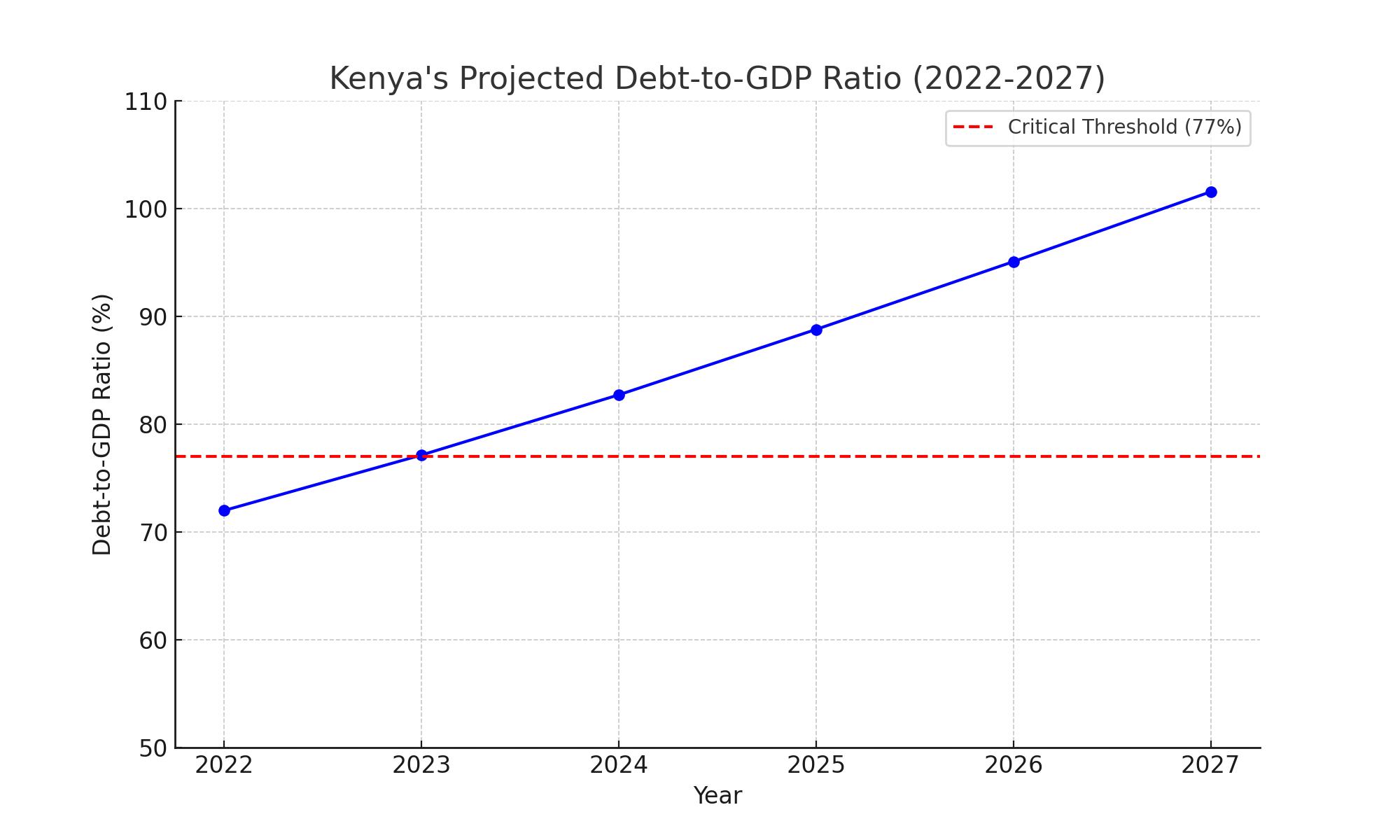
A high ratio suggests that a country may struggle to repay its debts, potentially leading to financial instability. For instance, Kenya’s debt-to-GDP ratio has been rising, with projections indicating it will exceed 100% by 2027.

In the context of Kenya, the debt-to-GDP ratio provides a snapshot of the nation’s financial challenges. According to the Corporate Finance Institute, a ratio above 77% can hamper economic growth. Kenya’s increasing debt, as highlighted in reports by Business Daily Africa and Reuters, signifies growing financial burdens, potentially leading to a debt repayment crunch. The high cost of debt servicing and external borrowing exacerbates these challenges, indicating a need for strategic financial management to avoid economic stagnation. The chart below indicates that Kenya’s public debt stands at KES 9.1 trillion as of early 2024, and projections from the Treasury expect it to cross KES 13 trillion by 2027.

Kenya’s Projected Debt-to-GDP ratio

To mitigate Kenya’s rising debt-to-GDP ratio without increasing taxes, several strategies can be employed:

  1. Boosting Exports: Enhancing the competitiveness of Kenyan goods and services can increase foreign exchange earnings, reducing the need for external borrowing.
  2. Encouraging Foreign Direct Investment (FDI): Attracting FDI can provide the necessary capital for development projects without increasing debt.
  3. Improving Public Sector Efficiency: Streamlining government expenditures and reducing wastage can free up resources for debt repayment and development initiatives.
  4. Diversifying the Economy: Investing in various sectors, such as technology and agriculture, can create new revenue streams and reduce reliance on debt.

Implementing these strategies can help stabilise Kenya’s economy and reduce its debt burden, fostering sustainable growth. Effective management of public resources, coupled with strategic economic policies, is essential to achieving a healthier debt-to-GDP ratio and ensuring long-term economic stability for Kenya.

References:

Business Daily Treasury expects debt to cross Sh13trn by 2027

Economist Intelligence Kenya faces a potential debt repayment crunch in 2024
Reuters Kenya’s double-digit debt costs sign of the tough times

CFI Debt-to-GDP Ratio

The Commonwealth Blog: Rising government debt-to-GDP ratios need urgent response

TheStreet What Is a Debt-to-GDP Ratio? Definition, Calculation & Importance

Cytonn Kenya’s Public Debt Review 2023: Is Kenya’s Public Debt Level Sustainable?

Gen Z Across East Africa: Unstoppable Force for Change and Justice

In the vibrant tapestry of East African protests, Kenyan Gen Z stands out with their digital flair and viral creativity. Imagine a protest powered by clever memes, hashtags like #Reject and #Occupy, and instant crowdfunding campaigns that raise millions in mere hours. Kenyan Gen Z activists have turned protests into digital movements, leveraging social media platforms to coordinate, communicate, and create a global buzz. They turned tragic moments into powerful calls for justice, uniting under the spirit of “the revolution will be live-streamed, hashtagged, and possibly even set to an AI-generated soundtrack”​ (Techweez)​​ (Amnesty International)​.

Children depicting protests

Contrast this with Uganda, where the dynamics of protest are considerably different due to a more repressive political climate. While Kenyan Gen Z activists use digital platforms to orchestrate protests and raise awareness rapidly, their Ugandan counterparts face a more formidable challenge. In Uganda, the government has a tight grip on internet access, frequently resorting to social media blackouts during periods of unrest, making it difficult for activists to communicate and organize efficiently online. Furthermore, Uganda’s Public Order Management Act imposes stringent restrictions on public gatherings, requiring protest organizers to seek police approval, which is often denied or delayed. This legal hurdle significantly stifles spontaneous and large-scale mobilizations that Kenyan Gen Z finds easier to execute​ (Techweez)​​ (Amnesty International)​. The Ugandan Gen Z is also up against a history of severe crackdowns on dissent. Reports of police brutality and extrajudicial killings are not uncommon, with Amnesty International documenting numerous cases of enforced disappearances and unlawful detentions​ (Amnesty International)​. For example, during the 2021 elections, opposition figures and their supporters faced intense repression, with security forces using excessive force to disperse crowds and detain activists arbitrarily. The physical risks associated with protesting in Uganda are therefore much higher, deterring many from participating in public demonstrations. Despite these challenges, Ugandan youth have found innovative ways to voice their dissent, such as through music, art, and satire, highlighting their resilience and creativity in navigating a restrictive environment.

Yet, the core message remains powerful and universal: “An idea whose time has come cannot be stopped even by military artillery.” Whether through the immediacy of a tweet in Nairobi or the grassroots resilience in Kampala, Gen Z across East Africa is proving that the demand for justice and accountability transcends borders and methods. Their innovative spirit and unyielding courage highlight a new era of activism, where the youth, armed with smartphones and a shared sense of purpose, are an unstoppable force for change.

References:

Aljazeera How Kenya’s protesters faced death to hold their leaders to account

Monitor Daring us to copy Kenyan Gen Z demos is a tall order

Cryptocurrency Security: Persistent Threats and Measures for Continuous Improvement

Crypto hacking incidents have shown fluctuating trends in 2024. Early in the year, a report revealed that hackers stole $1.7 billion in 2023, highlighting the growing threat. The RegTech Times reported that in Q1 2024, losses dropped by 23% compared to the same period in 2023, with total losses amounting to $336.3 million. Despite this reduction, crypto hacking still accounted for 96% of all incidents, reflecting the ongoing security challenges in the cryptocurrency industry. In February alone, over $67 million was stolen in 12 attacks on DeFi platforms, showcasing the sector’s vulnerability due to its decentralised nature and complex security needs.

10 Tampa Bay News Report

The first half of 2024 saw a significant rise in crypto thefts, with $1.4 billion stolen by hackers, according to a July 5 Reuters report. This sharp increase was attributed to sophisticated hacking techniques targeting digital assets. On the same day, Punch Nigeria reported data from DeFiLlama indicating that $664 million was stolen from crypto investors in the first six months of 2024. Chainalysis further highlighted that, despite enhanced security measures, substantial funds were still being stolen, underscoring the persistent threat to the cryptocurrency ecosystem. DeFi, or decentralised finance, platforms are blockchain-based systems that offer financial services without traditional intermediaries like banks. These platforms enable activities such as lending, borrowing, and trading through smart contracts, which are self-executing contracts with the terms directly written into code. The consistent targeting of DeFi platforms, with major breaches including $32.5 million from Playdapp and $26.1 million from Fixedfloat, emphasised the need for improved defenses.

These incidents underscore the critical need for continuous improvement in cybersecurity measures within the cryptocurrency sector. While there has been some success in reducing overall losses, the sophistication of attacks and the particular vulnerability of DeFi platforms remain significant challenges. The industry must evolve its security protocols, foster greater collaboration among stakeholders, and enhance user education to better protect against these persistent threats. The resilience of the cryptocurrency market will depend on its ability to adapt and fortify against an ever-evolving landscape of cyber threats.

References:

Reuters Crypto hacking thefts double to $1.4 bln in first half of 2024, researchers say

Punch Hackers steal $664m from crypto investors in six months – DefiLlama

Chainalysis Funds Stolen from Crypto Platforms Fall More Than 50% in 2023, but Hacking Remains a Significant Threat as Number of Incidents Rises
Reuters Crypto hackers stole around $1.7 bln in 2023 – report

RegTech Times Crypto Hacking Report for Q1 2024: Insights and Trends on declining incidents


Raila Odinga’s Ambitious Bid for African Union Commission Chairperson

Raila Odinga, a veteran Kenyan politician and leader of the opposition, has set his sights on the prestigious position of African Union Commission (AUC) Chairperson. However, his bid faces significant hurdles due to proposed changes in the AU’s election rules. These new regulations, which aim to introduce stricter eligibility criteria, could potentially disqualify Odinga from the race. Despite this, Odinga’s ambition remains undeterred as he seeks to navigate these challenges with the support of the Kenyan government.

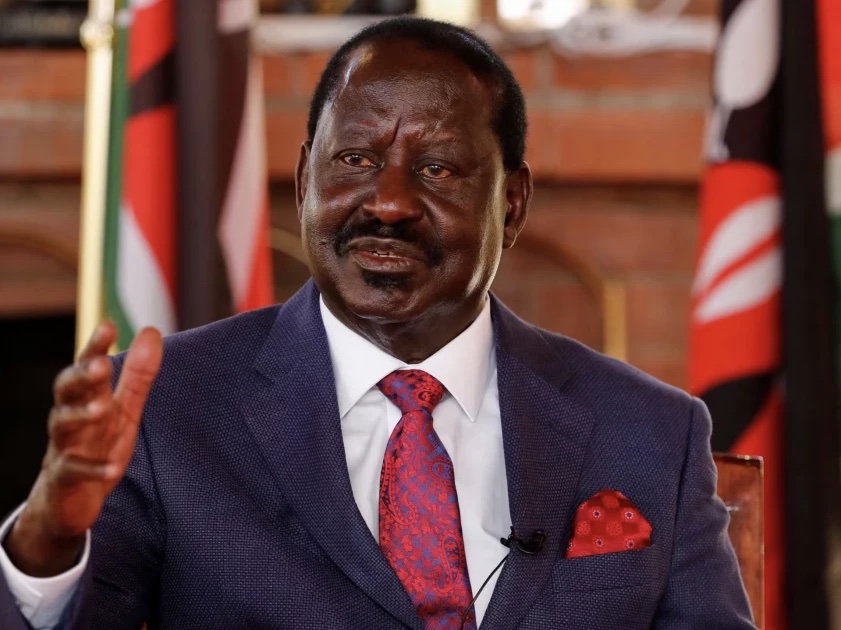
Raila Odinga

The Kenyan government, under the leadership of President William Ruto, has publicly endorsed Odinga’s candidacy. A campaign secretariat has been established to bolster his bid, reflecting a rare moment of cooperation between the two political adversaries. Nevertheless, internal coordination issues have led to delays in the formal submission of Odinga’s application. By June 30, 2024, the government had yet to submit his bid, raising concerns about their commitment and the potential impact on Odinga’s chances. The deadline for submission is fast approaching, with the government racing against time to ensure that all necessary documentation is filed by August 6, 2024. This delay has amplified anxieties about the effectiveness of the campaign and whether the bid will meet the stringent new criteria set by the AU.

In parallel with addressing submission delays, diplomatic efforts are in full swing to garner support for Odinga’s candidature across the African continent. Kenyan envoys have been actively lobbying for endorsements from other member states, emphasizing Odinga’s extensive experience and commitment to African unity. Domestically, Odinga has shown his political acumen by responding supportively to recent Gen Z demonstrations, while simultaneously criticizing the government’s heavy-handed response to these protests. He condemned the administration’s approach, aligning himself with the youth movements and advocating for more progressive policies. The outcome of these efforts remains uncertain, with the next few weeks being crucial for Odinga’s campaign. If successful, Odinga could leverage his political acumen and regional backing to secure the AUC Chairperson position. However, failure to meet the AU’s new eligibility criteria or the submission deadline could result in disqualification, significantly impacting his political trajectory.

References:

The Star Why Raila’s bid for AUC top job is yet to be submitted – PS Sing’oei
Nation State in race against time to officially nominate Raila for AUC post

Kenya News Agency Envoys Urged To Popularize Raila Odinga’s AU Bid
The Kenya Times EXPLAINED: New AU Changes That Could Lock Out Raila from Race

The Nairobi Law Monthly Govt yet to submit Odinga name for AUC position

The EastAfrican Kenya to submit Raila’s AUC candidature by June 30


Promising Advances in HIV Treatment and Potential Cure

Recent scientific advancements have sparked significant hope in the fight against HIV. A new injectable drug administered twice a year has shown 100% effectiveness in preventing HIV infections in clinical trials. This breakthrough offers a groundbreaking alternative to the current regimen of daily oral medications, which can be burdensome for many patients. The biannual injection not only simplifies the prevention process but also enhances adherence, significantly reducing the risk of infection, especially in high-risk populations. The trial, involving 3,200 participants across various demographics in the United States, South Africa, and Brazil, demonstrated remarkable efficacy, with no reported cases of HIV infection among those receiving the injection. The success of this trial suggests that widespread adoption of this method could revolutionize HIV prevention strategies globally.

In another promising development, researchers are making strides toward a potential HIV cure using CRISPR gene-editing technology. This innovative approach involves using CRISPR-Cas9 “scissors” to precisely cut out HIV DNA from infected cells, effectively eliminating the virus. In a landmark study, scientists successfully used this technique to remove HIV DNA from the genomes of living animals, leading to a significant reduction in viral load. The success of this technique in laboratory settings marks a significant step forward in the quest for a cure. However, experts caution that extensive research and rigorous clinical trials, including long-term studies to assess potential off-target effects, are needed to ensure the safety and long-term effectiveness of this method before it can be considered a viable treatment option for patients.

These advancements underscore the relentless efforts and collaborations within the scientific community to combat HIV. The injectable drug’s success in prevention and the potential of CRISPR technology in curing the virus represent a dual approach that could change the landscape of HIV treatment and prevention. As researchers continue to explore these promising avenues, there is renewed optimism that we may be closer than ever to ending the HIV epidemic. The integration of these breakthroughs into clinical practice could ultimately lead to a world where HIV is no longer a persistent public health threat.

References:

Citizen Digital HIV Breakthrough: Drug Trial Shows Injection Twice A Year Is 100% Effective Against Infection

BBC Scientists say they can cut HIV out of cells

Science Daily Researchers a step closer to a cure for HIV

Africa News Hopes of HIV cure after breakthrough using gene-editing ‘scissors’

Addressing Unrest in Kenya: Youth Engagement and Reforms

In recent weeks, Kenya has experienced a surge in protests predominantly led by Generation Z, who are voicing their dissatisfaction with the Finance Bill 2024 and broader governance issues. Initially peaceful, these demonstrations have been disrupted by violent infiltrations, leading to looting and confrontations with the police. President William Ruto has acknowledged the grievances of the youth and expressed a willingness to engage in dialogue, while emphasizing the need to maintain public order. Human rights organizations have criticized the government’s response, highlighting the need for accountability and a more nuanced approach to managing protests. These organizations argue that peaceful demonstrators should not be conflated with criminal elements who exploit the situation for personal gain.

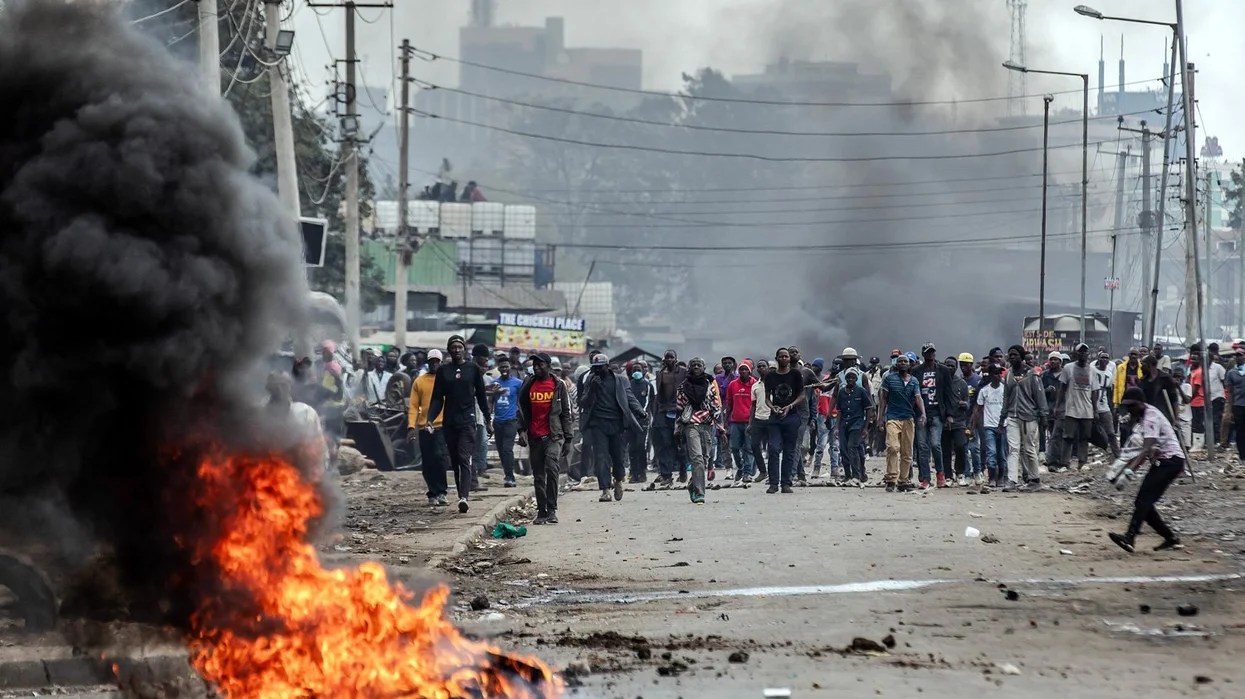
Gen Z protestors barricade road in Nairobi

The Kenyan protests contrast sharply with the Arab Spring demonstrations, which were characterized by widespread, often leaderless uprisings against autocratic regimes across the Middle East and North Africa. The Arab Spring saw governments toppled and significant political upheaval, driven by a combination of economic despair, political repression, and a desire for democratic reforms. In contrast, the Kenyan protests are more structured, with specific economic and social grievances articulated by the youth. While the Arab Spring often faced violent crackdowns, the Kenyan government’s approach has been to engage in dialogue and propose reforms, although incidents of police brutality have been reported. This approach underscores the Kenyan administration’s recognition of the legitimacy of the protesters’ demands, even as it grapples with maintaining public order.

To address the current unrest effectively, it is essential for the Kenyan government to establish a structured dialogue platform with youth leaders. This platform should facilitate regular consultations to address grievances and co-create solutions. Reassessing the Finance Bill 2024 in collaboration with economic experts and community representatives could help address the underlying economic concerns driving the protests. Comprehensive police reforms are also necessary to ensure law enforcement operates with greater accountability and respect for human rights. Effective public communication strategies are vital to fostering transparency and understanding between the government and the populace. Supporting peaceful protests by providing security and preventing infiltration by criminal elements is essential to safeguarding the rights of demonstrators and maintaining public order. These measures, aligned with studies on youth demonstrations’ impact on political change in Africa, can help Kenya navigate this period of unrest constructively and restore trust between the government and its citizens.

References:

The Star Leaders condemn infiltration of Gen Z protests by goons

France24 Kenyan police arrest hundreds accused of looting during anti-government protests

Citizen Digital ‘Ragtag Militia Infiltrating Peaceful Protests,’ Gideon Moi Condemns Violence In Protests

Lethal Repression of Peaceful Protest in Africa. Why Do (non-) Accountable and Military Regimes Shoot By Torsten Mix, Master’s in International Security (Downloadable dissertation paper)

Accord Youth Demonstrations and their Impact on Political Change and Development in Africa

AllAfrica Kenya: Youths March in Tribute to Anti-Budget Protest Victims in Nairobi