Harvesting the ROI—The Macroeconomic Impact of the Subsidy

The economic ripple effects of the 2025 fertilizer subsidy program are beginning to manifest in Kenya’s national food security metrics with startling clarity. According to the June 2025 Treasury budget highlights, the government has allocated Ksh 8 billion specifically for the Fertilizer Subsidy Programme for the 2025/2026 financial year. This is part of a broader Ksh 47.6 billion agricultural transformation budget aimed at moving Kenya from a “food deficit” nation to a “food surplus” economy. By slashing the cost of a 50kg bag by approximately 60% compared to market rates, the program has successfully triggered a 38.9% increase in maize production in high-potential regions, directly contributing to the stabilization of mealie-meal prices in urban centers like Nakuru and Nairobi.

Kenya is set to harvest 70 million bags of maize in 2025 | NTV Kenya

However, the 2025 policy is no longer just about quantity; it is increasingly about soil health and long-term sustainability. New directives from the Ministry of Agriculture emphasize the use of NPK 23:23:0 and other non-acidic blends to correct soil degradation caused by years of over-relying on DAP. This scientific approach ensures that the “bumper harvests” seen this year are not a one-time fluke but the beginning of a sustained increase in yield per hectare. For the Kenyan farmer, this shift represents a move toward “Precision Agriculture,” where the digital data collected during KIAMIS registration helps the government determine which specific nutrient blends are needed for which regions, potentially saving billions in wasted inputs.

The final piece of this economic puzzle lies in the integration of “De-Risking” strategies. For the first time, the 2025 digital registration automatically links farmers to climate-risk insurance and credit facilities. This means that a farmer who buys subsidized fertilizer is also protected against the devastating losses of drought or floods, making the entire agricultural sector more attractive to young “agri-preneurs.” As Jijuze continues to monitor these developments, it is clear that the fertilizer subsidy is the anchor of a much larger economic engine. By empowering smallholders with affordable inputs and digital tools, Kenya is slowly rebuilding its agricultural backbone, turning the “kabambe” phone into a powerful tool for national prosperity.

References:

Capital Business Maize harvest to hit 70mn bags in 2025, up from 67mn last year

The Kenyan Wall Street The Hidden Costs of Kenya’s Fertiliser Subsidy Model

Jijuze How to Access Subsidized Fertilizer in Kenya


The “Iron Circuit”—Solving the Last Mile Bottleneck

The logistical machinery behind the 2025 fertilizer subsidy has undergone a radical shift to solve the “depot bottleneck” that plagued previous seasons. In late March 2025, the Ministry of Agriculture, led by CS Mutahi Kagwe, confirmed a massive surge in distribution, moving over one million bags of fertilizer in a single week to meet the high demand of the long rain season. The strategic change this year involves a heavy reliance on the “Iron Circuit”—using the Standard Gauge Railway (SGR) freight wagons to bypass the congested Port of Mombasa and deliver directly to the Naivasha Inland Container Depot. This shift has significantly reduced the turnaround time for stocks, ensuring that once a farmer receives their e-voucher via the KIAMIS system, the physical bags are already staged at regional hubs rather than being stuck in highway transit.

The iron circuit

Despite these macro-logistical wins, the “Last Mile” remains the most significant challenge for the average Kenyan smallholder. Current research indicates that while private agro-dealers are usually within 6km of a farm, centralized NCPB depots are often an average of 18km away. To bridge this gap in 2025, the government has entered into critical Memorandums of Understanding (MoUs) with county governments like Uasin Gishu and Nakuru. These partnerships allow for the transfer of fertilizer from main regional hubs to smaller, county-run satellite depots. This decentralization strategy is designed to lower the “hidden costs” of the subsidy—specifically the high transport fees farmers previously paid to move 50kg bags across long distances, which often eroded the savings provided by the government-capped price of Ksh 2,500.

At the depot level, the 2025 experience is becoming increasingly automated, yet it requires farmer vigilance. The Ministry has introduced “Consignment-Based Framework Agreements,” allowing for a more diverse mix of fertilizers, including crop-specific blends for coffee and tea sectors, moving away from a “one-size-fits-all” approach. However, with high demand comes the risk of exploitation. Farmers are urged to verify their e-vouchers through the upgraded KIAMIS interface before making the journey to the depot to avoid “system-down” frustrations. Furthermore, officials have issued stern warnings against counterfeiters attempting to sell substandard mixtures in look-alike government packaging, reinforcing that legitimate subsidized stock is only available at registered NCPB or county-authorized sites.

References:

Citizen Digital Gov’t to issue over 1 million bags of subsidized fertilizer amid high demand

Kenyans.co.ke Govt to Distribute 1 Million Bags of Fertilizer to NCPB Depots Next Week After Shortage

Daily Nation Kagwe orders destruction of 25,518 bags of expired fertiliser

Jijuze How to Access Subsidized Fertilizer in Kenya
The Digital Gatekeeper—Decoding Kenya’s New Era of Fertilizer Distribution

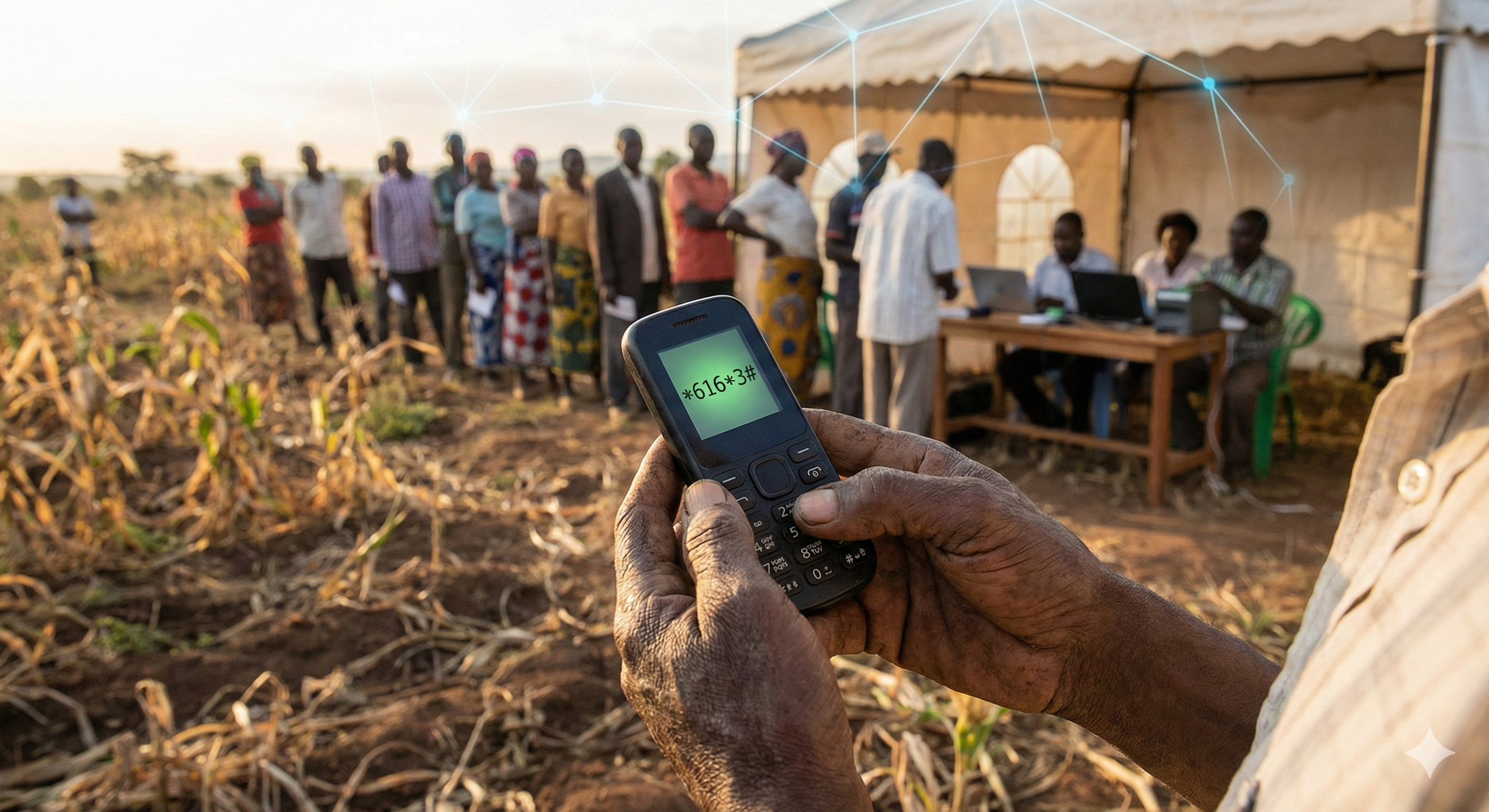
The transition from traditional, manual fertilizer distribution to the Kenya Integrated Agriculture Management Information System (KIAMIS) represents one of the most significant shifts in the nation’s agricultural history. As of late 2025, the Ministry of Agriculture has officially taken full ownership of this digital registry, which now hosts data for over 7.1 million smallholder farmers. This digital “handshake” is no longer a mere pilot program but the mandatory gateway for anyone seeking to purchase subsidized DAP, NPK, or CAN fertilizer at the government-capped price of Ksh 2,500. For the Kenyan farmer, this means the end of “analog” vouchers and the birth of a data-driven system where eligibility is determined not by a physical queue, but by a biometric profile and a verified USSD record. However, as Jijuze has discovered, the sheer scale of this migration has created a new set of digital hurdles that many are struggling to navigate.

The digital gateway for fertilizer subsidy

At the heart of this system lies the *616*3# USSD code, a simple string of digits that serves as the farmer’s primary interface with the KIAMIS cloud. When a farmer dials this code, they are not just checking a balance; they are interacting with a complex backend that validates their land acreage, crop type, and regional location. The 2025 updates to the platform have introduced even more granular requirements, including the integration of climate-shock insurance directly into the registration process. This means that for a farmer to receive an e-voucher via SMS, their data must be fully validated by both the local Assistant Chief and the Sub-County Agricultural Officer. We have received reports that thousands of farmers who believed they were “registered” are being turned away at National Cereals and Produce Board (NCPB) depots because their profiles lack these critical secondary validations, highlighting a gap between initial data entry and final system approval.

Government targeting 500,000 farmers in KIAMIS registration drive | KBC Business

For the modern Kenyan smallholder, understanding the “Digital Gatekeeper” is now as essential as understanding the soil itself. The government’s 2025 policy emphasizes that the e-voucher system is designed to eliminate the “middleman” and “ghost farmers” who previously diverted subsidized stocks to the black market. By tying every bag of fertilizer to a specific ID number and a geo-tagged farm, the KIAMIS platform ensures that resources reach the intended hands. Yet, this digital-first approach demands a higher level of technical literacy. Farmers must ensure their mobile numbers are correctly linked to their ID and that they have not exceeded the allocated bags per acre—a limit strictly enforced by the algorithm. As the planting season approaches, the message from the Ministry is clear: the era of walking into a depot with just cash is over; if you are not in the cloud, you are not on the farm.

References:

Jijuze How to Access Subsidized Fertilizer in Kenya

Sacco Review Gov’t rolls out pioneering insurance-integrated fertilizer subsidy to safeguard smallholder farmers

The Kenya Times How Kenyans Can Apply for Govt Fertilizer Subsidy Program

Eagmark Agri-Hub Kenya Takes Ownership of National Digital Farmer Registry