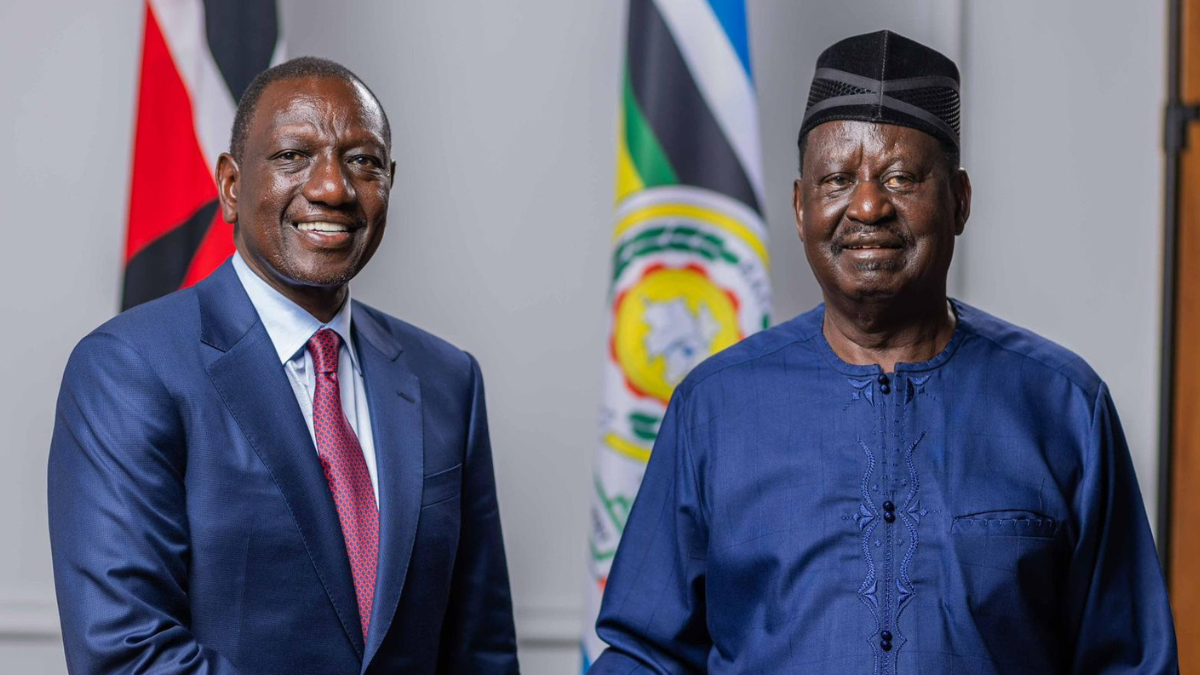
In the realm of political leadership, the consequences of overpromising can be profound, leading to difficult decisions that may prioritize short-term gains over long-term welfare. President William Ruto’s governance in Kenya bears striking similarities to the biblical account of Herod the tetrarch, whose rash promise led to a morally compromising decision. This analysis explores how Ruto’s ambitious promises, much like Herod’s fateful vow, have placed him in a tight spot, forcing decisions that appease certain groups at the expense of the broader populace. Herod’s story is a cautionary tale of how a leader’s words can become a trap. When he promised to grant Herodias’ daughter whatever she wished, Herod did not anticipate the moral dilemma he would face when she asked for the head of John the Baptist. Despite his reluctance, Herod felt compelled to honor his promise to maintain his authority and avoid public embarrassment. Similarly, Ruto’s leadership has been marked by a series of promises that, once made, have proven difficult to keep. The grand visions he laid out during his campaign—ranging from economic reforms to social justice—have created high expectations among the Kenyan people. However, the reality of governance has revealed the challenges in fulfilling these commitments, leading to a growing sense of disillusionment among the populace.
According to reports from The Nation and The Standard, this gap between Ruto’s promises and the outcomes on the ground has become increasingly evident. Many of the ambitious goals set by his administration have remained unachieved, leading to public frustration and criticism. The unfulfilled promises are not just political missteps; they have real consequences for the people, particularly in areas such as employment, economic stability, and social equity. Much like Herod, who found himself trapped by his own words, Ruto faces the challenge of managing the expectations he has set. His administration’s focus has often shifted towards maintaining political alliances and managing public perception rather than addressing the underlying issues that the promises were meant to resolve. This has led to decisions that seem more about preserving power than serving the broader interests of the Kenyan people, mirroring Herod’s decision to prioritize his reputation over justice.
The consequences of such a leadership approach are far-reaching. Just as Herod’s actions resulted in the death of an innocent man to uphold a thoughtless promise, Ruto’s governance risks sidelining the needs and welfare of ordinary citizens. The pressure to deliver on promises, particularly when they are unattainable, can lead leaders to make decisions that are more about appeasing specific groups or maintaining political stability than addressing the real needs of the population. This analysis underscores the importance of careful, realistic promises in leadership. The story of Herod and the current challenges faced by Ruto serve as reminders that overpromising can compromise a leader’s integrity and effectiveness. For a global readership, the lesson is clear: leaders must be mindful of the weight of their words, as they will ultimately be held accountable for the promises they make, and the decisions taken to uphold them can have lasting impacts on society.
References:
Nation The promises versus reality: President Ruto’s rough road ahead
The Standard Ruto’s missteps, broken promises cause untold suffering to Kenyans
Nation The appeal of elsewhere: Of Ruto’s promises and reality
The Standard Wandayi: Ruto’s regime has failed Kenyans with its empty promises
People Daily Queries over Ruto empty promises after Gen-Z demos
The Star AJUOK: Why Ruto has become master of false promises
People Daily With no cogent plan, pact with Raila may buy Ruto time
Nairobi News International Women’s Day: 7 promises to women Ruto has not kept


Approximately 10 million people in northern Kenya, Ethiopia, Somalia, Eritrea and South Sudan need urgent humanitarian assistance as the region experiences the worst drought in 60 years. An estimated 1,300 Somali refugees stream into Dadaab refugee camp daily following continued conflict in Somali, coupled with severe drought. The situation on the ground is getting worse as the world’s largest refugee camp- Dadaab, in Kenya has been forced to house people, four times its full capacity.
oaring economic environment, the so soon effected directive to increase excise duty on alcohol is projected to reduce government revenue.
More than 100 people, including top civil servants may face graft charges following a new forensic audit by the government revealing fraud involving Sh4.2 billion in the Education Ministry.