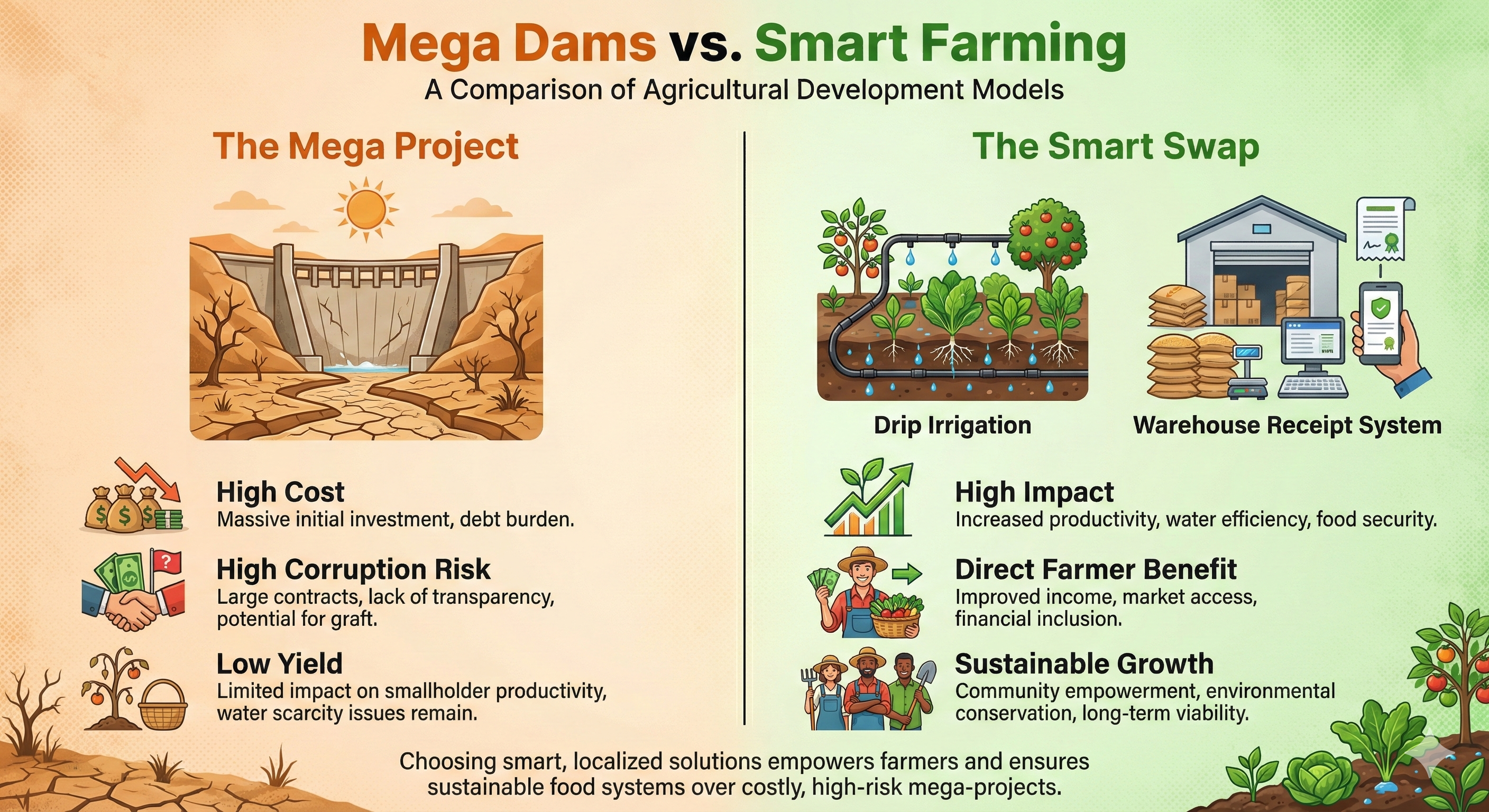
As the government targets 2 million acres for irrigation under the new debt swap initiative, the ghost of the Galana Kulalu project looms large. Just days ago, on January 26, 2026, the government announced plans for six new mega dams, signaling a return to the large-scale infrastructure strategy that failed so spectacularly in 2014. The original Galana Kulalu pilot consumed Sh7 billion to produce maize at costs higher than market price, collapsing under poor planning and corruption. Critics argue that repeating this “big dam” strategy ignores the hard-learned lessons of the past.
The disconnect is palpable. While the state plans mega-projects in arid lands, small-scale farmers—who produce the bulk of Kenya’s food—are struggling with basic input costs and lack of market access. The “savings” from the debt swap would likely yield higher returns if invested in decentralized solutions: household water pans, small-scale drip irrigation kits, and the Warehouse Receipt System (WRS) to help farmers store grain and avoid price exploitation by middlemen.
If the Sh129 billion is poured into another series of mega-dams, the funds risk being absorbed by contractors and consultants, leaving the country with more debt and no food. The success of this swap depends on shifting focus from concrete structures to the actual economics of farming—lowering production costs and ensuring profitability. Without this shift, we are merely “mixing oil and water” again, hoping that high-finance infrastructure will somehow trickle down to the grassroots.
References:
Capital Business Govt plans six mega dams, targets 2mn acres in irrigation push
The Star Government plans six mega dams, targets 2 million acres for irrigation push
🌦️ Wet West, Dry East: Why One Strategy Won’t Work for All in MAM 2026
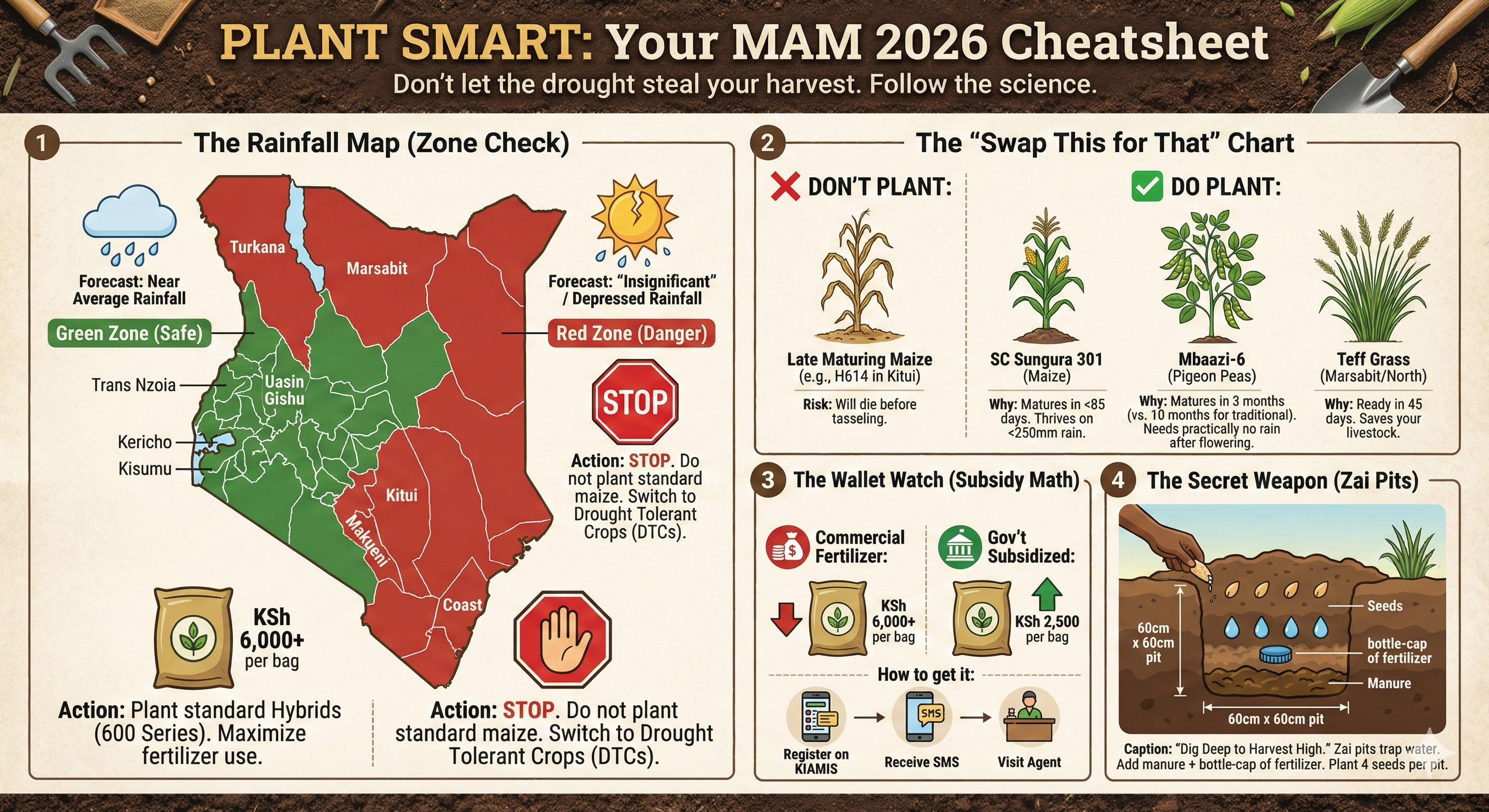
The Kenya Meteorological Department (KMD) has dropped its forecast for the March-April-May (MAM) long rains, and it paints a picture of two very different planting seasons.
The Good News: If you are in the Highlands West of the Rift (Trans Nzoia, Uasin Gishu, Kericho) or the Lake Victoria Basin, get your tractors ready. The forecast predicts near-average to above-average rainfall. This is the green light for high-yield maize farming.
The Warning: For farmers in the Southeastern Lowlands (Kitui, Makueni), Northeastern, and the Coast, the forecast is tough. You are facing “near-average to below-average” rainfall, with a high chance of insignificant rains—meaning showers that wet the dust but don’t sustain a crop.
The Takeaway: Don’t copy your neighbor in Eldoret if you live in Machakos. The government is urging everyone to plant, but what you plant matters more than ever.
West: Go for maximum yield (600 series maize).
East/North: Go for survival (fast-maturing crops).
References:
Nairobi Leo Kenya Met Issues March-May 2026 Long Rains Forecast
Daily Nation End of drought in sight, but coming rains will be insignificant for arid regions
All Africa Above-Average Rains Expected in Key Regions, Weatherman Warns of Dry Spells Elsewhere
The transition from traditional, manual fertilizer distribution to the Kenya Integrated Agriculture Management Information System (KIAMIS) represents one of the most significant shifts in the nation’s agricultural history. As of late 2025, the Ministry of Agriculture has officially taken full ownership of this digital registry, which now hosts data for over 7.1 million smallholder farmers. This digital “handshake” is no longer a mere pilot program but the mandatory gateway for anyone seeking to purchase subsidized DAP, NPK, or CAN fertilizer at the government-capped price of Ksh 2,500. For the Kenyan farmer, this means the end of “analog” vouchers and the birth of a data-driven system where eligibility is determined not by a physical queue, but by a biometric profile and a verified USSD record. However, as Jijuze has discovered, the sheer scale of this migration has created a new set of digital hurdles that many are struggling to navigate.
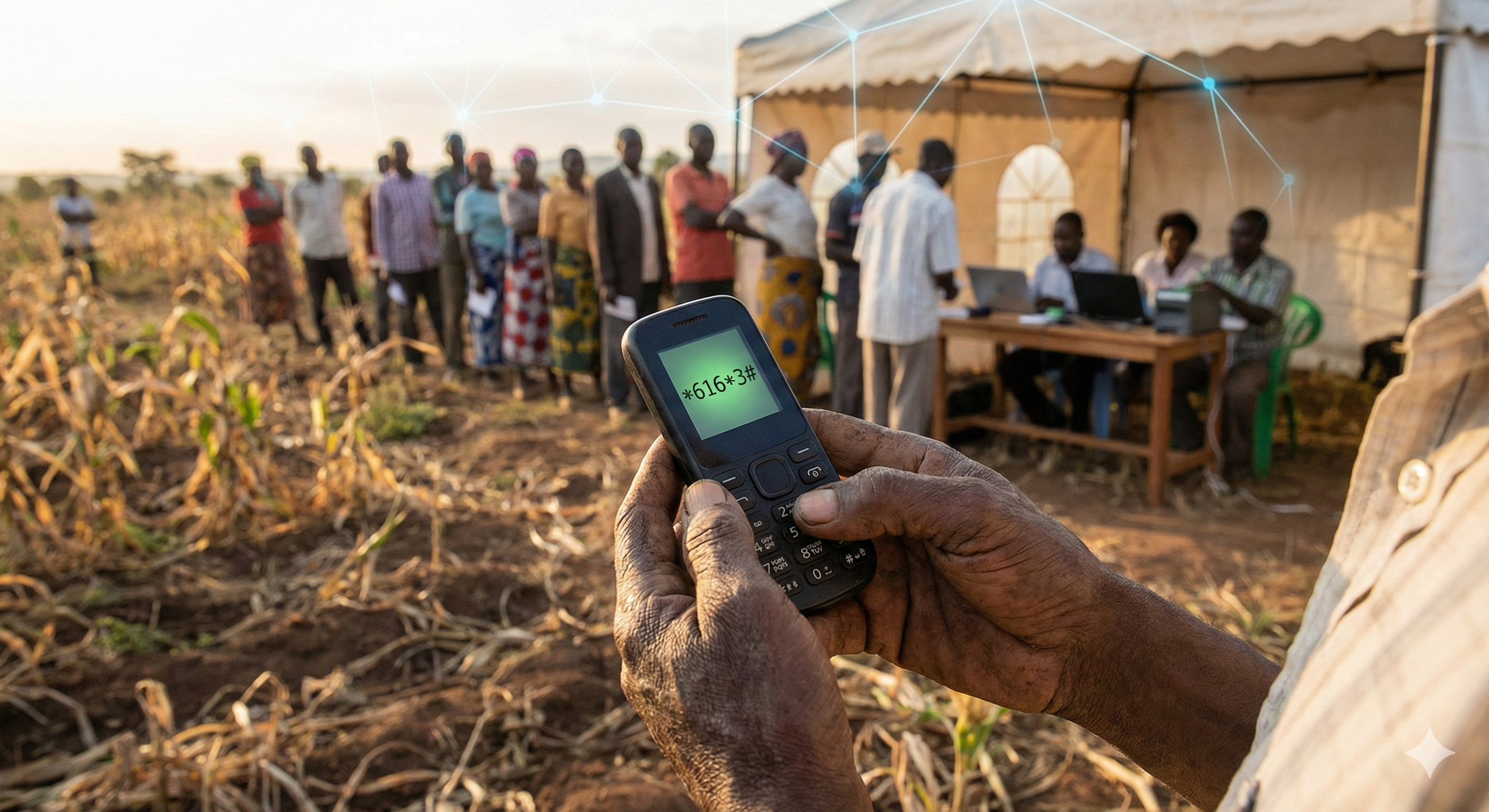
At the heart of this system lies the *616*3# USSD code, a simple string of digits that serves as the farmer’s primary interface with the KIAMIS cloud. When a farmer dials this code, they are not just checking a balance; they are interacting with a complex backend that validates their land acreage, crop type, and regional location. The 2025 updates to the platform have introduced even more granular requirements, including the integration of climate-shock insurance directly into the registration process. This means that for a farmer to receive an e-voucher via SMS, their data must be fully validated by both the local Assistant Chief and the Sub-County Agricultural Officer. We have received reports that thousands of farmers who believed they were “registered” are being turned away at National Cereals and Produce Board (NCPB) depots because their profiles lack these critical secondary validations, highlighting a gap between initial data entry and final system approval.
Government targeting 500,000 farmers in KIAMIS registration drive | KBC Business
For the modern Kenyan smallholder, understanding the “Digital Gatekeeper” is now as essential as understanding the soil itself. The government’s 2025 policy emphasizes that the e-voucher system is designed to eliminate the “middleman” and “ghost farmers” who previously diverted subsidized stocks to the black market. By tying every bag of fertilizer to a specific ID number and a geo-tagged farm, the KIAMIS platform ensures that resources reach the intended hands. Yet, this digital-first approach demands a higher level of technical literacy. Farmers must ensure their mobile numbers are correctly linked to their ID and that they have not exceeded the allocated bags per acre—a limit strictly enforced by the algorithm. As the planting season approaches, the message from the Ministry is clear: the era of walking into a depot with just cash is over; if you are not in the cloud, you are not on the farm.
References:
Jijuze How to Access Subsidized Fertilizer in Kenya
Sacco Review Gov’t rolls out pioneering insurance-integrated fertilizer subsidy to safeguard smallholder farmers
The Kenya Times How Kenyans Can Apply for Govt Fertilizer Subsidy Program
Eagmark Agri-Hub Kenya Takes Ownership of National Digital Farmer Registry
Kenya’s 2025 pesticide ban is more than a policy shift—it’s an overdue confrontation with dangerous agrochemical practices that have long gone unchecked. At the heart of the crackdown is Mancozeb, a fungicide so entrenched in Kenyan agriculture that it’s sprayed like water on tomatoes, potatoes, and maize. Yet this widely used chemical breaks down into ethylene thiourea (ETU)—a probable human carcinogen linked to thyroid harm and reproductive toxicity. Mancozeb has already been banned across the European Union and flagged by multiple global health authorities, but until now, it continued to flow into Kenyan markets with barely a check. Now, alongside Mancozeb, Kenya has also moved to restrict or suspend other hazardous products including chlorpyrifos, acephate, glyphosate, and dimethoate—compounds associated with cancer risks, neurotoxicity, endocrine disruption, and acute poisoning in both humans and animals. In withdrawing 77 toxic products and tightening rules on 202 more, the government is finally rejecting the toxic trade imbalance that treats African countries as chemical dumping grounds. The new policy aligns Kenyan regulation with international best practice: no pesticide can be registered here unless it’s also legal in its country of origin and in developed economies like the EU, USA, Canada, or Australia. It’s a turning point—but not without blowback.
A Report by K24TV
For years, Mancozeb symbolized Kenya’s regulatory inertia: cheap, accessible, and unchallenged despite the mounting science against it. Farmers, often unaware of its dangers, sprayed it without masks or gloves, storing the residues in their homes, their soil, and their food. Chlorpyrifos, a widely used insecticide linked to developmental harm in children, and glyphosate, a herbicide under global scrutiny for carcinogenicity, have followed similar trajectories—popular with farmers but flagged by scientists and health agencies. Now, the state faces a high-stakes transition. Smallholders reliant on these chemicals are being urged toward Integrated Pest Management (IPM) and agroecological alternatives. Yet less than 10% of Kenyan farmers use biopesticides, and most lack training, equipment, or trust in new inputs. The Pest Control Products Board, emboldened by fresh legislation, is finally flexing its oversight powers. But enforcement remains patchy, and counterfeit products exploit the regulatory vacuum. Mancozeb isn’t just a pesticide—it’s a case study in how economic expediency once overrode health and environmental responsibility. That era, Kenya now claims, is ending.
Timing is crucial. The EU is cracking down on residue limits. Kenya’s vegetable exports—once worth KSh 100 billion—have already taken a hit. If the country wants to stay competitive and credible, aligning with global safety standards is not optional. Mancozeb’s fall is both symbolic and strategic: it’s a warning to other harmful substances still in circulation—like profenofos, carbendazim, and triazophos—and a test of whether Kenya can enforce its own reform. This is where political will must hold—beyond press briefings and regulatory memos. Farmers need practical support. Consumers need transparency. And regulators must resist the pressure of well-funded pesticide lobbies looking to reverse course. Kenya has declared its direction. Now the country must walk it—with clarity, speed, and resolve—before the next generation pays the price in poisoned soil, sickened bodies, and lost trade.
References:
Trade World News Kenya Bans Import of 50 Pesticide Brands for Safer Farming
The Standard State cracks down on harmful pesticides, bans 77 products
The Star Civil society demand full disclosure of banned pesticides, calls for safer agricultural reforms
The Star 77 pesticides banned in Kenya as 202 others restricted – CS Kagwe
Kenya News Agency State urged to make to make public list of banned pesticides
Kenyans.co.ke Kenya Bans Use of Pesticides Not Approved in Europe, USA, Canada & Australia
Faced with a deepening maize crisis and the threat of unaffordable unga prices for millions of households, the Kenyan government has authorized the importation of yellow maize under a 50% duty waiver. The policy aims to ease the strain on white maize—Kenya’s staple grain for human consumption—by diverting demand from feed manufacturers. By encouraging millers in the animal feed industry to substitute white maize with yellow maize, the government hopes to reduce competition for white maize, making it more accessible and affordable to food processors and, ultimately, to consumers. However, this economic intervention carries unintended consequences that could undermine its goals. Due to Kenya’s fragmented supply chains and patchy enforcement mechanisms, experts warn that the clear division between maize meant for animals and that meant for humans may not hold. The significantly lower price of the imported yellow maize could tempt unscrupulous traders to redirect it into the human food market—either by blending it with white maize flour or selling it directly in low-income areas where yellow maize is already accepted as food, such as parts of Western Kenya. In places like Homa Bay County, where yellow maize is widely consumed in the form of ugali, this policy shift could unintentionally flood the food supply with grain that may not meet safety standards for human consumption.
A Report by NTV Kenya
The core of the concern lies in the persistent and well-documented threat of aflatoxin contamination, a toxic compound produced by mold that thrives in warm, humid conditions—particularly in improperly stored grains. While Kenya has established aflatoxin limits aligned with East African Community standards—10 parts per billion (ppb) for total aflatoxins and 5 ppb for aflatoxin B1—systemic challenges hinder enforcement. Many small-scale producers, informal traders, and millers lack access to the sophisticated equipment and financial resources needed to test for aflatoxins or implement preventive storage solutions. Furthermore, there have been troubling precedents that cast doubt on the robustness of regulatory oversight. In 2011, a shipment of aflatoxin-contaminated maize from the U.S. was allegedly released into the market despite being flagged by authorities, with reports suggesting that the Kenya Bureau of Standards (KEBS) was blocked from conducting proper inspections. More recently, in January 2025, a 2,000-tonne shipment of rice from Pakistan was found to exceed aflatoxin limits, indicating that lapses in import control remain a pressing issue. These incidents demonstrate that having regulations on paper is not enough—especially when imports labeled for animal feed, which undergo less rigorous scrutiny, may be co-opted into the human food chain in the absence of strict monitoring, reliable segregation mechanisms, and transparent accountability.
The potential health implications of increased aflatoxin exposure are grave and far-reaching, especially for vulnerable populations who rely heavily on maize as their primary food source. Acute exposure can lead to severe liver damage, jaundice, and even death, while long-term, low-level exposure is linked to liver cancer, immune system suppression, nutrient malabsorption, and developmental issues in children. Infants and young children face elevated risks due to their small body mass and the fact that complementary weaning foods are often maize-based, yet specific aflatoxin regulations for these products are either absent or poorly enforced. For populations with pre-existing liver conditions, Hepatitis B infections, or compromised immunity—such as people living with HIV—the health risks are significantly amplified. Malnourished individuals and rural subsistence farmers, who often rely on their own poorly stored harvests, are also at heightened risk. In the face of this looming danger, health advocates and food safety experts are calling on the Kenyan government to urgently invest in comprehensive and well-coordinated countermeasures. These include rigorous aflatoxin testing of all maize imports, stricter enforcement to prevent feed-grade yellow maize from entering the human food stream, large-scale public education campaigns targeting high-risk regions, and long-term investments in improved post-harvest storage infrastructure. Without such measures, the policy designed to stabilize food prices could inadvertently trigger a public health emergency—one that disproportionately affects the country’s poorest and most vulnerable.
References:
Nation Kagwe bows to pressure, opens imports as unga prices hit 13-month high
Jijuze Maize Prices Surge: Impact on Kenya’s Livestock and Food Security
The specter of a significant food crisis is looming over Kenya as a severe maize shortage grips the nation, sending prices soaring and sparking urgent warnings from key industry players. The Poultry Breeders Association of Kenya and the Association of Kenya Feed Manufacturers have jointly raised the alarm, highlighting a dramatic 45% surge in maize prices since the start of the year, with costs projected to climb even further by April. This sharp increase is directly translating to a painful escalation in the cost of living for millions of Kenyans, as maize flour, the staple ingredient for the widely consumed ‘ugali,’ becomes increasingly expensive. For households already struggling with tight budgets, this spike in the price of a fundamental food item poses a significant threat to their food security and overall well-being. The crisis underscores the delicate balance within the nation’s food system and the profound impact that fluctuations in the availability and cost of a single commodity like maize can have on the lives of ordinary citizens.
A Report on How to Plant Maize in Kenya by Citizen Digital
The ramifications of this maize shortage extend far beyond the immediate concerns of household consumption, creating a domino effect throughout the interconnected agricultural sector. The livestock industry, particularly poultry farming, is facing a critical challenge as maize constitutes a primary component of animal feed. The exorbitant rise in maize prices has led to a corresponding surge in the cost of producing animal feed, a burden that is inevitably passed on to farmers. Consequently, consumers are now facing higher prices for essential animal products such as chicken, eggs, meat, and dairy, further compounding the financial strain on families. This intricate link between maize production and the livestock sector demonstrates the vulnerability of the entire food supply chain to disruptions affecting a single key input. The crisis highlights how a shortage in one area of agriculture can trigger price hikes and economic hardship across multiple sectors, ultimately impacting the affordability and accessibility of a wide range of food products for the Kenyan population.
In response to this escalating crisis, industry associations are urgently appealing to the government for immediate intervention, primarily advocating for the waiver of import duties on maize to facilitate increased imports and stabilize the runaway prices. While the government has historically employed measures such as fertilizer subsidies to support local production, the current situation demands swift action to address the immediate supply deficit. The long-term solution, however, lies in building a more resilient and diversified food system. This includes promoting the production and consumption of alternative, nutritious crops to reduce the nation’s heavy reliance on maize, investing in improved storage facilities to minimize post-harvest losses, and adopting sustainable agricultural practices to enhance productivity and withstand future climate shocks. The current maize crisis serves as a stark reminder of the need for a comprehensive and coordinated approach to ensure food security for all Kenyans, safeguarding livelihoods and stabilizing the economy against the volatile nature of agricultural markets and environmental factors.
References:
The Star Industry players warn of imminent food crisis on maize shortage, rising prices
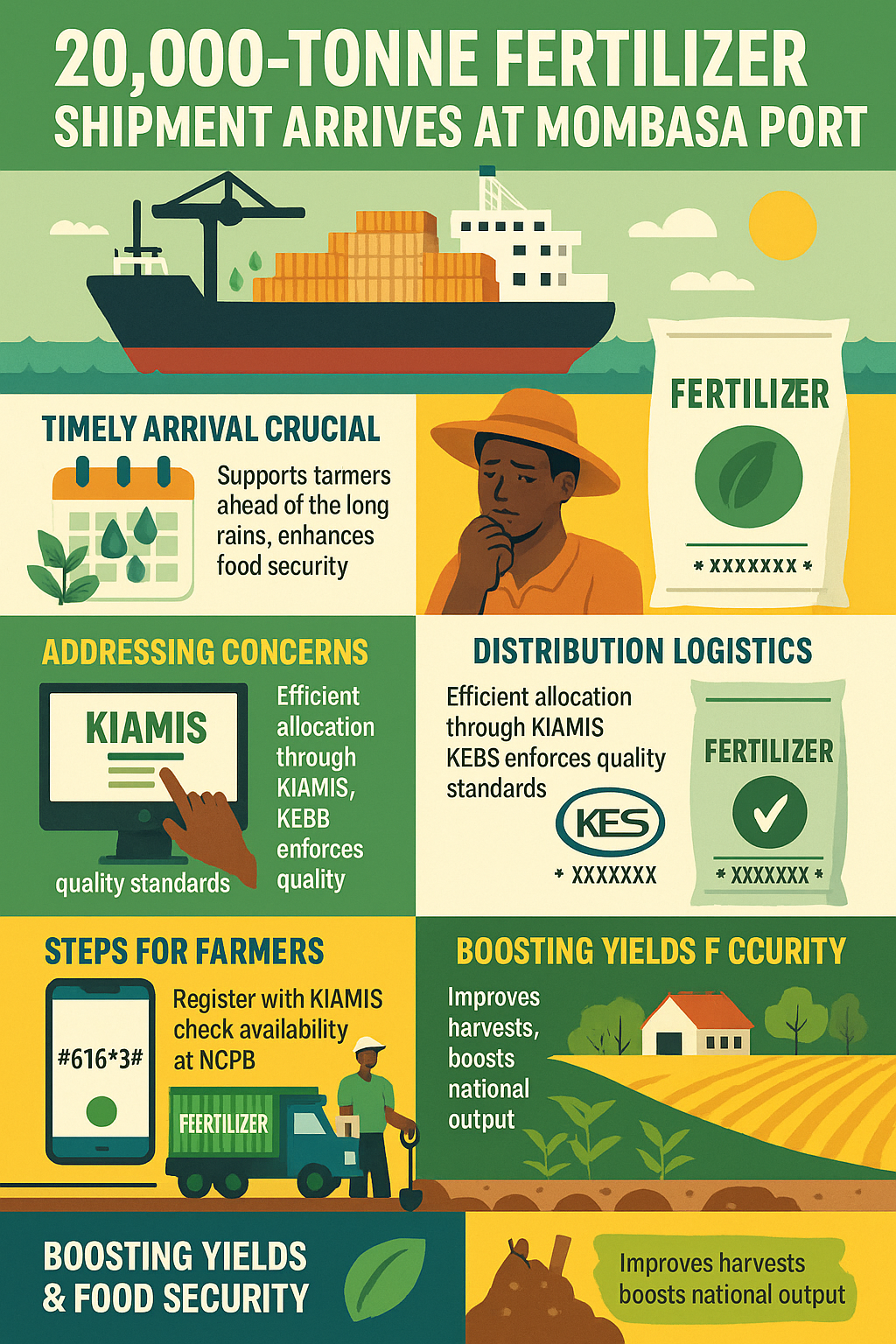
The arrival of a 20,000-tonne fertilizer consignment at Mombasa Port marks a significant milestone in the government’s efforts to support farmers ahead of the long rainy season, a crucial period for agricultural production in Kenya. The timely arrival of this shipment is expected to provide much-needed inputs to enhance food security and boost national yields. An additional 1,300 metric tons of fertilizer is expected soon, further reinforcing the commitment to ensuring farmers have access to essential inputs. However, concerns remain over the lack of transparency regarding the origin and composition of the shipment. The absence of details on the supplier and specific types of fertilizer included in the consignment may limit farmers’ ability to plan effectively, as different soil types and crops require specialized fertilizers for optimal growth. Additionally, past cases of substandard or expired fertilizers in the market have made quality assurance a priority for farmers and stakeholders alike. The government’s approach to addressing these concerns focuses on efficient allocation and swift distribution, primarily managed through the Kenya Integrated Agriculture Management Information System (KIAMIS), ensuring that only registered farmers receive their fair share of subsidized fertilizer.
To guarantee the quality of fertilizer reaching farmers, the Kenya Bureau of Standards (KEBS) plays a critical role in enforcing national quality standards. Farmers are urged to verify the authenticity of their fertilizer by checking for the KEBS Standardization Mark on the packaging and utilizing the SMS verification system by texting the unique code beneath the mark to 20023. This verification step is essential to protect farmers from counterfeit or substandard products that could negatively impact yields. Furthermore, distribution logistics have been carefully structured to ensure that fertilizer reaches key agricultural regions efficiently. The government, in collaboration with the National Cereals and Produce Board (NCPB), is overseeing a multi-modal transportation plan where the fertilizer is first transported from Mombasa to Naivasha by train and then distributed to major farming areas like Uasin Gishu, Bomet, and Nakuru via trucks. This logistical approach is intended to overcome transportation bottlenecks and ensure that farmers across the country receive their fertilizer in time for planting. However, the initial reports do not specify which types of fertilizers—such as Diammonium Phosphate (DAP) or Calcium Ammonium Nitrate (CAN)—are included in the shipment, leaving many farmers uncertain about how best to apply them to different crops. As a result, farmers are encouraged to seek further clarification from NCPB depots or agricultural extension officers before application.
Farmers looking to access the subsidized fertilizer must ensure they are registered with KIAMIS, a digital platform designed to streamline distribution and enhance transparency. Registration can be done through the National Government Administration offices, including local chiefs and village elders, or by dialing *616*3# to confirm or update their details. The use of this system helps prioritize genuine farmers while reducing the risk of fraudulent claims. Once registered, farmers should promptly check with their nearest NCPB depots to inquire about fertilizer availability and collection procedures, as delays in retrieval could affect their planting schedules. Additionally, soil testing is recommended to determine the specific nutrient requirements for different crops, allowing farmers to apply the right type and amount of fertilizer for maximum productivity. Staying informed through official government communication channels, such as the Ministry of Agriculture and NCPB updates, is crucial to keeping track of distribution schedules and additional shipments. With proper planning, timely collection, and strategic application of fertilizer, Kenyan farmers stand to significantly improve yields, contributing to national food security and economic growth.
In recent developments within Kenya’s livestock sector, the government has announced a nationwide vaccination campaign, a strategic pivot that could redefine animal husbandry in the country. The initiative, backed by the International Livestock Research Institute (ILRI) and several animal health experts, champions the transition from antibiotic reliance towards a more sustainable vaccination approach. This movement addresses the pressing issue of antimicrobial resistance, aligning Kenyan livestock practices with international standards for sustainable farming. Vaccination programs play a pivotal role in preventing devastating livestock diseases like Foot and Mouth Disease (FMD) and Peste des Petits Ruminants (PPR), which have historically undercut productivity and adversely affected farmers’ livelihoods. The shift to proactive disease control minimizes the economic burden of managing diseases and reduces livestock mortality rates, potentially boosting food security and enhancing economic resilience. Enhanced livestock health could open doors for Kenyan farmers, granting them access to lucrative regional and global markets, a strategic goal strongly supported by President William Ruto’s administration.
Citizen Digital Report
However, the ambitious vaccine rollout is not without its challenges and controversies. Skepticism from both political circles and the public highlights the undercurrent of mistrust surrounding the program’s execution. Notably, political figures like Kalonzo Musyoka have voiced concerns regarding the transparency and objectives of the vaccination initiative, fearing potential hidden political motives that could disadvantage farmers economically. These fears are compounded by the anticipated costs of vaccination, with lingering questions regarding financial subsidies for smallholder farmers to ensure that the program does not exacerbate existing inequalities in the agricultural sector. Logistical hurdles, especially in reaching remote areas, also pose a significant threat to achieving comprehensive vaccination coverage, which is critical for the program’s success. Moreover, local law firms have expressed apprehensions about the legal and contractual aspects of the campaign, emphasizing the need for thorough stakeholder consultation, contract transparency, and a robust legal framework to address potential intellectual property issues and liability concerns.
The international involvement in Kenya’s nationwide livestock vaccination program opens a critical discussion about the balance between foreign influence and national sovereignty in shaping agricultural policies. While funding from donors like the Bill & Melinda Gates Foundation and DFID, through organizations such as GALVmed, brings essential resources and expertise, it also prompts questions about Kenya’s self-reliance. How should Kenya manage this delicate balance to ensure that foreign partnerships strengthen rather than overshadow its national interests? Critics argue there’s a risk of dependency that might undermine local innovation and capacity. Engaging in this conversation involves considering how transparent communication and robust legal frameworks can safeguard Kenya’s sovereignty while leveraging global support. Moreover, it challenges us to assess success not just economically, but in how policies empower smallholder farmers and protect against undue external influence. As stakeholders, we have an opportunity to influence how these dynamics play out, aiming for a future where Kenya’s livestock sector thrives autonomously yet collaboratively on the global stage.
References:
Kenya News Agency Kenya to use local vaccines for livestock vaccination
The Star State denies sinister motive in livestock vaccination
Nation Kalonzo: Kenyans must reject Ruto’s countrywide livestock vaccination plan
The Star Ruto: Anybody opposed to animal vaccination is mad
In an era marked by fluctuating weather patterns and volatile market demands, leaving fields fallow while waiting for the next planting season is increasingly becoming a missed opportunity for Kenyan farmers. Off-season vegetable production presents a compelling alternative, transforming idle land into a hub of year-round productivity and profitability. By leveraging advanced farming techniques—such as protected cultivation, targeted irrigation, and specialized seed varieties—farmers can maintain high levels of agricultural activity, even when traditional conditions for planting are less favorable. This approach circumvents supply chain gaps and volatile pricing by providing a stable influx of crops during lean periods when demand is high, boosting farm incomes notably.
Arjun Agriculture World Report
Turning fallow fields into productive assets, off-season vegetable production improves land productivity, an especially attractive option for smallholder farmers contending with limited acreage. Through continuous and diverse cropping, this alternative farming method amplifies land output, countering the constraining effects of dwindling land resources. By cultivating diverse, high-value crops continuously, farmers not only elevate their financial prospects but also make significant strides toward enhancing food security. Off-season farming ensures a reliable supply of nutritious vegetables, addressing malnutrition and seasonal food shortages prevalent in rural communities. Technologies such as heat-tolerant plants, cost-effective rain shelters, and plant growth regulators enable farmers to navigate climatic variability while maximizing yields. This strategy not only transforms the landscape of agriculture in Kenya but also epitomizes a paradigm shift towards sustained economic growth through strategic land use.
Addressing the challenges linked to adopting off-season agriculture invites an engaging dialogue on how Kenyan farmers can collectively embrace this transformative strategy. We encourage you, our readers, to share your insights on empowering farmers to turn idle periods into productive opportunities. How can we make necessary investments in infrastructure—like greenhouses and protective shelters—more accessible to smallholders? Maybe innovative solutions such as micro-financing or government-backed subsidies hold the key to unlocking this potential. Additionally, with the heightened pest and disease risks during off-seasons, what role do you see for Integrated Pest Management (IPM) in creating a sustainable pest control ecosystem? Perhaps you have experiences or innovative ideas about training programs to equip farmers with essential skills in water management, crop selection, and sustainable practices. This open conversation is crucial for crafting strategies that make year-round farming a reality. We invite you to contribute your perspectives, share success stories, or propose novel solutions to foster interactive learning and collaboration within the farming community. Your input is vital as we work together to redefine food security and economic resilience in Kenya, nurturing a vibrant and globally competitive agribusiness sector. Join the conversation, inspire change, and help shape a sustainable agricultural future.
References:
Nation Come rain or sunshine, our crops thrive and we sell produce off season
Science Direct Farmer training in off-season vegetables: Effects on income and pesticide use in Bangladesh
Harvest Money Off-Season The Best Time To Grow Vegetables For Profit
President William Ruto has reversed a ban on Muguka, a stimulant linked to drug abuse among young people, which was previously announced by three coastal leaders in Kenya. Ruto directed the Ministry of Agriculture to engage all stakeholders, emphasizing the economic importance of muguka for Embu County, where it brings in significant income. Agriculture CS Mithika Linturi declared the ban by the three governors as invalid, noting that Muguka is legally recognized as a cash crop under existing regulations.
Considering that the County Governor serves as the chief executive officer of the county government in Kenya, and recognizing the dual-level structure of governance comprising the national and county governments, it is within the purview of the County Governor to exercise legislative and executive powers at the county level. In accordance with the principles of devolution enshrined in the Constitution of Kenya, County Governors possess the authority to promulgate and enforce ordinances and regulations that address the specific needs and welfare of their respective communities. Consequently, in situations where such local enactments are demonstrably in the best interest of the county’s populace, the authority of the County Governor to override or modify national legislation may be justified, ensuring that local governance is responsive and tailored to the unique socio-economic and cultural context of the county.
Calls for tougher penalties to combat the sale of illicit brews in Kenya are amplified, emphasizing the need for comprehensive measures from both the Executive and Parliament. The surge in criminal activities linked to the trade is a cause for concern, prompting advocates for stricter enforcement of laws regulating alcoholic beverages. Meanwhile, the Nakuru Bar Owners Association supports government initiatives to eliminate illicit liquor sales, citing concerns over public health and legitimate businesses. In contrast, the sale and consumption of Muguka, a psychotropic substance, present growing concerns, particularly in coastal regions. Pressure mounts on the government to address the social and health consequences associated with Muguka use, including addiction and criminal activities. Efforts to regulate Muguka sales and consumption are underway, but challenges persist in enforcing restrictions and combating its proliferating trade.
In the same way that the unwavering dedication of law enforcement in Bahati, Nakuru County, has tackled the scourge of second-generation alcohol, so too must this steadfast commitment be mirrored at the coast to combat the sale of Muguka. True progress in safeguarding our communities lies in applying consistent zeal and resolve across all regions, recognising that the health and future of our society depend on our collective and equal efforts.
References
The Africa Report Kenya: Ruto’s reversal of muguka ban in coastal region draws criticism
AfroCave Role and Functions of a County Governor in Kenya
Kenya News Agency Ex-MP Calls For Stiffer Penalties To Curb Sale, Consumption Of Illicit Brews

 Jijuze