In the frantic, non-stop race of modern life, we often chase the “big things”—the promotion, the huge vacation, the major milestone. Yet, some of the wisest people I know aren’t those with the biggest bank accounts or titles; they’re the ones who’ve mastered the art of being a kid at heart. This doesn’t mean avoiding responsibility or acting immature. It means possessing a superpower we tend to lose with age: the ability to find pure, uncomplicated joy in the smallest moments. Think about a child. Hand them a piece of candy, or watch the sheer concentration and triumph on their face when they successfully blow a huge bubble. Their reaction isn’t measured or conditional; it’s a burst of unfiltered gratitude and delight. A simple act of kindness, a silly joke, or even just mastering a small skill is met with a sincere, radiant smile. They express the purest impression of thankfulness, even for the minutest act they can comprehend. That is the essence of being a kid at heart: The capacity to appreciate the little things that warm the soul and make the world brighter. It’s about ditching the adult filter of cynicism and comparison, and allowing yourself to be truly present for the moment. It’s about feeling the sunshine on your face, laughing until your stomach hurts over something ridiculous, or getting genuinely excited about your favorite snack. It’s an open invitation to a happier life. So, today, let’s all try to be a little less “grown-up” and a lot more like the kids who know that the best things in life aren’t things at all—they are tiny moments of wonder, waiting to be appreciated.
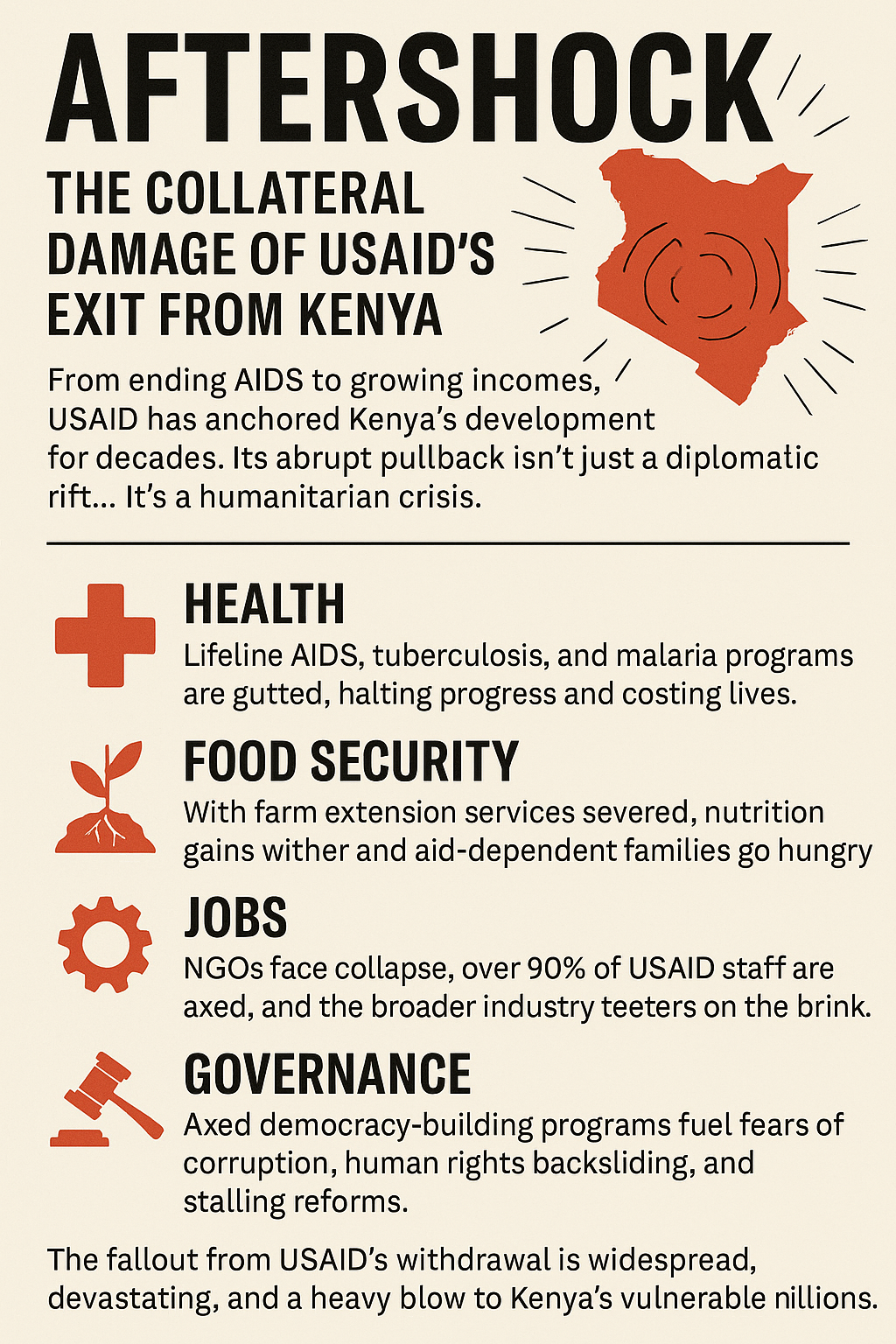
The abrupt dissolution of USAID, catalyzed by the U.S. government’s sweeping “America First” foreign aid policy pivot, has left Kenya reeling from a vacuum of support once critical to its public health, agriculture, and economic systems. With over $2.5 billion in planned investments between 2020 and 2025, the agency was more than just a donor—it was woven into the fabric of Kenyan service delivery. The termination of 83% of USAID’s programs and the layoff of 94% of its staff effectively ended over six decades of robust U.S. development engagement. For Kenya, this rupture came without a viable transitional plan. Clinics shuttered, medicines vanished, and 40,000 jobs tied to health services evaporated. Programs such as PEPFAR, which had sustained over a million Kenyans on antiretroviral treatment, have been gutted, with HIV/AIDS funding slashed from $846M in 2023 to just $66M in 2025. Maternal health, malaria prevention, and reproductive health services now teeter at the edge of collapse, with service cuts exceeding 90% in some areas. Kenya’s health infrastructure, already strained, is now buckling under a loss that is not merely financial—but fatal.
The economic blowback extends far beyond healthcare. USAID had supported Kenya’s agriculture sector through subsidies, training, and innovation, all now dismantled. Smallholder farmers are especially vulnerable. With the termination of the Famine Early Warning Systems Network (FEWS NET) after four decades of operation, Kenya has lost its primary mechanism for forecasting and responding to food insecurity. Meanwhile, tax reforms in the proposed 2025 Finance Bill—removing VAT exemptions on farm inputs and raising fuel duties—compound the crisis, inflating production costs and shrinking rural margins. The convergence of aid withdrawal, policy shocks, and climate threats is deepening food insecurity and threatening to reverse years of agricultural gains. Simultaneously, the Kenyan startup ecosystem and governance reform sectors face a projected $100 million funding shortfall. Civil society actors, often powered by USAID support, now risk losing their watchdog capacity. In areas such as conflict prevention and refugee education, where USAID once acted as a stabilizing force, the vacuum could be exploited by extremist recruiters, echoing conflict patterns seen in past aid shock cases in West Africa.
Kenya’s response has been urgent but encumbered. The government has committed to repatriating its health data from U.S.-hosted systems and shifting toward local infrastructure, yet faces severe capacity shortfalls. The fiscal strain is formidable: a KSh 52 billion health budget hole and a broader KSh 66.9 billion gap across affected sectors. While the Bottom-Up Economic Transformation Agenda (BETA) reflects ambition for self-reliance through tax reforms and private investment, execution remains constrained by weak systems and widespread corruption. Still, civil society and policymakers are beginning to reframe the crisis as a wake-up call for domestic revenue mobilization and governance renewal. If there is a path forward, it lies in converting dependency into resilience—not just by replacing funding streams, but by rethinking national priorities, protecting human capital, and investing in sovereign, accountable systems that can withstand future geopolitical shocks.
References:
Citizen Digital Over 40,000 Kenyans jobless after USAID-funded health facilities shut down
The Voice of Africa USAID Shuts Down After 63 Years, Leaving Africa in Crisis
The Star Civil society calls for self-reliance as foreign aid dwindles
Africa.com Kenya to Reclaim Health Data After Trump Administration’s USAID Cuts
Jijuze Kenya Faces Crisis After USAID Funding Withdrawal
Capital Business USAID funding halt to hit Kenya’s economy, social sectors – report
Kenya’s 2025 pesticide ban is more than a policy shift—it’s an overdue confrontation with dangerous agrochemical practices that have long gone unchecked. At the heart of the crackdown is Mancozeb, a fungicide so entrenched in Kenyan agriculture that it’s sprayed like water on tomatoes, potatoes, and maize. Yet this widely used chemical breaks down into ethylene thiourea (ETU)—a probable human carcinogen linked to thyroid harm and reproductive toxicity. Mancozeb has already been banned across the European Union and flagged by multiple global health authorities, but until now, it continued to flow into Kenyan markets with barely a check. Now, alongside Mancozeb, Kenya has also moved to restrict or suspend other hazardous products including chlorpyrifos, acephate, glyphosate, and dimethoate—compounds associated with cancer risks, neurotoxicity, endocrine disruption, and acute poisoning in both humans and animals. In withdrawing 77 toxic products and tightening rules on 202 more, the government is finally rejecting the toxic trade imbalance that treats African countries as chemical dumping grounds. The new policy aligns Kenyan regulation with international best practice: no pesticide can be registered here unless it’s also legal in its country of origin and in developed economies like the EU, USA, Canada, or Australia. It’s a turning point—but not without blowback.
A Report by K24TV
For years, Mancozeb symbolized Kenya’s regulatory inertia: cheap, accessible, and unchallenged despite the mounting science against it. Farmers, often unaware of its dangers, sprayed it without masks or gloves, storing the residues in their homes, their soil, and their food. Chlorpyrifos, a widely used insecticide linked to developmental harm in children, and glyphosate, a herbicide under global scrutiny for carcinogenicity, have followed similar trajectories—popular with farmers but flagged by scientists and health agencies. Now, the state faces a high-stakes transition. Smallholders reliant on these chemicals are being urged toward Integrated Pest Management (IPM) and agroecological alternatives. Yet less than 10% of Kenyan farmers use biopesticides, and most lack training, equipment, or trust in new inputs. The Pest Control Products Board, emboldened by fresh legislation, is finally flexing its oversight powers. But enforcement remains patchy, and counterfeit products exploit the regulatory vacuum. Mancozeb isn’t just a pesticide—it’s a case study in how economic expediency once overrode health and environmental responsibility. That era, Kenya now claims, is ending.
Timing is crucial. The EU is cracking down on residue limits. Kenya’s vegetable exports—once worth KSh 100 billion—have already taken a hit. If the country wants to stay competitive and credible, aligning with global safety standards is not optional. Mancozeb’s fall is both symbolic and strategic: it’s a warning to other harmful substances still in circulation—like profenofos, carbendazim, and triazophos—and a test of whether Kenya can enforce its own reform. This is where political will must hold—beyond press briefings and regulatory memos. Farmers need practical support. Consumers need transparency. And regulators must resist the pressure of well-funded pesticide lobbies looking to reverse course. Kenya has declared its direction. Now the country must walk it—with clarity, speed, and resolve—before the next generation pays the price in poisoned soil, sickened bodies, and lost trade.
References:
Trade World News Kenya Bans Import of 50 Pesticide Brands for Safer Farming
The Standard State cracks down on harmful pesticides, bans 77 products
The Star Civil society demand full disclosure of banned pesticides, calls for safer agricultural reforms
The Star 77 pesticides banned in Kenya as 202 others restricted – CS Kagwe
Kenya News Agency State urged to make to make public list of banned pesticides
Kenyans.co.ke Kenya Bans Use of Pesticides Not Approved in Europe, USA, Canada & Australia
Kenya just handed over four of its biggest sugar factories — but kept the land. In a dramatic policy shift, the Ruto administration signed 30-year leases in May 2025 with private firms to run Nzoia, Chemelil, Muhoroni, and Sony Sugar. The goal? End decades of sugar sector chaos: collapsed factories, billions in unpaid debts, unpaid workers, and cheap imports undercutting farmers. Agriculture CS Mutahi Kagwe says this isn’t privatization — it’s “strategic leasing,” with public ownership preserved and billions in arrears cleared to give the new operators a clean start. Big names like Jaswant Rai’s West Kenya Sugar and Kibos Sugar are now in charge — and they’re expected to invest heavily. But not everyone’s cheering.
A Report by NTV Kenya
Local leaders are furious. Kisumu’s Governor Anyang’ Nyong’o is calling foul, slamming the deals as opaque, exclusionary, and a threat to community-owned land. At Chemelil and Nzoia, workers are protesting over unpaid wages, job security, and fears that private operators will trample their rights. Farmers worry about price manipulation and monopolies. And watchdogs are questioning the wisdom of the government wiping out billions in past debts — on taxpayers’ backs — without clear guarantees of public return. The Auditor General has already flagged risks to the Commodities Fund. If this feels familiar, it’s because Kenya’s SOE reform playbook hasn’t changed much in decades: bold plans, shaky execution, and the ever-present risk of insider deals dressed up as national progress.
Still — if the government gets this right — it could turn a rotting industry into a competitive, tech-upgraded, farmer-friendly economic engine. But it won’t happen without airtight oversight, crystal-clear contracts, local accountability, and a serious break from past mistakes. Leasing might be smarter than selling — but only if it comes with more transparency than politics usually allows.
References:
The Standard Nyong’o opposes the government’s plans to lease sugar mills
The Eastleigh Voice Government leases four state-owned sugar mills to private firms for 30 years
Business Daily Workers oppose Chemelil sugar factory lease plans
The Star Sugarcane farmers welcome move to lease sugar firms
All Africa Kenya: High Court Dismisses Petition Against Leasing of State-Owned Sugar Farms
In a move that has dramatically altered Kenya’s trade dynamics with the United States, the Trump administration imposed a blanket 10% tariff on imports from most nations, including Kenya, effective April 2025. This action effectively nullified the longstanding preferential treatment Kenya enjoyed under the African Growth and Opportunity Act (AGOA), a Congressional framework set to expire in September 2025. The result has been a sharp contraction in Kenya’s export competitiveness, particularly in the apparel and agricultural sectors, which together accounted for a significant share of exports to the U.S. The Central Bank of Kenya (CBK) estimates the country could lose as much as USD 100 million annually in export revenue—a loss that represents over 13% of Kenya’s total exports to the U.S. The textiles and apparel industry, which employs tens of thousands in Export Processing Zones (EPZs), faces the steepest consequences, with squeezed margins threatening factory closures and mass layoffs. Compounding this is the complex global trade environment, where some of Kenya’s competitors face even steeper tariffs—suggesting a theoretical competitive edge—but domestic cost disadvantages like high energy prices and infrastructure bottlenecks could prevent Kenya from capitalizing on this.
A Report by Citizen TV Kenya
The introduction of the tariffs also triggered immediate market reactions, particularly on the Kenyan Shilling (KES), which depreciated upon the announcement, reflecting investor anxiety and a broader loss of confidence. While the KES had been strengthening in early 2025 due to improved foreign exchange reserves, tight monetary policy, and robust diaspora remittances, the tariffs introduced new downward pressures through trade disruption and a worsening current account balance. Analysts project a continued depreciation trend through 2025, with some forecasts suggesting the KES could reach as low as 155 to the dollar. Factors contributing to this outlook include high external debt servicing obligations, the CBK’s decision to pursue accommodative monetary policy—cutting rates to stimulate domestic demand—and narrowing interest rate differentials with the U.S., which could dampen investor appetite for KES-denominated assets. Although inflation is largely under control and remittances remain strong, these buffers may not fully offset the structural pressures introduced by disrupted trade flows and persistent macroeconomic imbalances. Moreover, Kenya’s exposure to external shocks remains high, and market sentiment continues to react swiftly to any signals of instability or shifts in U.S. policy.
A Report by NBC News
In response to these mounting pressures, the Kenyan government has adopted a multi-pronged strategy centered on diplomatic engagement, trade diversification, and internal economic reforms. Efforts are underway to secure a waiver from the 10% tariff through negotiations with U.S. officials, although progress remains uncertain. Simultaneously, Kenya is accelerating its participation in the African Continental Free Trade Area (AfCFTA), which offers a long-term avenue to diversify trade partnerships within Africa. However, AfCFTA implementation faces its own hurdles, including infrastructure gaps, non-tariff barriers, and complex rules of origin that limit short-term gains. Beyond the continent, Kenya is looking to strengthen trade ties with the European Union, with whom it signed an Economic Partnership Agreement in 2023, and explore new opportunities in Asia and the Middle East. On the domestic front, the government is considering measures to support affected sectors, including targeted incentives for exporters and investments in value addition. Nonetheless, these responses may take time to yield meaningful relief. With AGOA’s expiry nearing and no replacement framework yet secured, Kenya’s vulnerability to abrupt shifts in U.S. trade policy has been laid bare, reinforcing the urgent need to build a more resilient, diversified, and self-sufficient export economy.
References:
Capital Business Shilling falls amid uncertainty over US tariff hikes
Capital Business Kenya risks losing Sh14bn in exports to U.S. after 10pc tariff
The Star Kenya to diversity trade ties, push for more intra-Africa trade – CS Kinyanjui.
Serrari U.S. Hits Kenya with 10% Export Tariff Amid Shifting Global Trade Dynamics
The Standard Trump tariffs threaten Kenya’s Sh72b exports
All Africa Africa: How the New U.S. Tariffs Were Calculated and What They Mean for AGOA Trade Deal
Faced with a deepening maize crisis and the threat of unaffordable unga prices for millions of households, the Kenyan government has authorized the importation of yellow maize under a 50% duty waiver. The policy aims to ease the strain on white maize—Kenya’s staple grain for human consumption—by diverting demand from feed manufacturers. By encouraging millers in the animal feed industry to substitute white maize with yellow maize, the government hopes to reduce competition for white maize, making it more accessible and affordable to food processors and, ultimately, to consumers. However, this economic intervention carries unintended consequences that could undermine its goals. Due to Kenya’s fragmented supply chains and patchy enforcement mechanisms, experts warn that the clear division between maize meant for animals and that meant for humans may not hold. The significantly lower price of the imported yellow maize could tempt unscrupulous traders to redirect it into the human food market—either by blending it with white maize flour or selling it directly in low-income areas where yellow maize is already accepted as food, such as parts of Western Kenya. In places like Homa Bay County, where yellow maize is widely consumed in the form of ugali, this policy shift could unintentionally flood the food supply with grain that may not meet safety standards for human consumption.
A Report by NTV Kenya
The core of the concern lies in the persistent and well-documented threat of aflatoxin contamination, a toxic compound produced by mold that thrives in warm, humid conditions—particularly in improperly stored grains. While Kenya has established aflatoxin limits aligned with East African Community standards—10 parts per billion (ppb) for total aflatoxins and 5 ppb for aflatoxin B1—systemic challenges hinder enforcement. Many small-scale producers, informal traders, and millers lack access to the sophisticated equipment and financial resources needed to test for aflatoxins or implement preventive storage solutions. Furthermore, there have been troubling precedents that cast doubt on the robustness of regulatory oversight. In 2011, a shipment of aflatoxin-contaminated maize from the U.S. was allegedly released into the market despite being flagged by authorities, with reports suggesting that the Kenya Bureau of Standards (KEBS) was blocked from conducting proper inspections. More recently, in January 2025, a 2,000-tonne shipment of rice from Pakistan was found to exceed aflatoxin limits, indicating that lapses in import control remain a pressing issue. These incidents demonstrate that having regulations on paper is not enough—especially when imports labeled for animal feed, which undergo less rigorous scrutiny, may be co-opted into the human food chain in the absence of strict monitoring, reliable segregation mechanisms, and transparent accountability.
The potential health implications of increased aflatoxin exposure are grave and far-reaching, especially for vulnerable populations who rely heavily on maize as their primary food source. Acute exposure can lead to severe liver damage, jaundice, and even death, while long-term, low-level exposure is linked to liver cancer, immune system suppression, nutrient malabsorption, and developmental issues in children. Infants and young children face elevated risks due to their small body mass and the fact that complementary weaning foods are often maize-based, yet specific aflatoxin regulations for these products are either absent or poorly enforced. For populations with pre-existing liver conditions, Hepatitis B infections, or compromised immunity—such as people living with HIV—the health risks are significantly amplified. Malnourished individuals and rural subsistence farmers, who often rely on their own poorly stored harvests, are also at heightened risk. In the face of this looming danger, health advocates and food safety experts are calling on the Kenyan government to urgently invest in comprehensive and well-coordinated countermeasures. These include rigorous aflatoxin testing of all maize imports, stricter enforcement to prevent feed-grade yellow maize from entering the human food stream, large-scale public education campaigns targeting high-risk regions, and long-term investments in improved post-harvest storage infrastructure. Without such measures, the policy designed to stabilize food prices could inadvertently trigger a public health emergency—one that disproportionately affects the country’s poorest and most vulnerable.
References:
Nation Kagwe bows to pressure, opens imports as unga prices hit 13-month high
Jijuze Maize Prices Surge: Impact on Kenya’s Livestock and Food Security
The specter of a significant food crisis is looming over Kenya as a severe maize shortage grips the nation, sending prices soaring and sparking urgent warnings from key industry players. The Poultry Breeders Association of Kenya and the Association of Kenya Feed Manufacturers have jointly raised the alarm, highlighting a dramatic 45% surge in maize prices since the start of the year, with costs projected to climb even further by April. This sharp increase is directly translating to a painful escalation in the cost of living for millions of Kenyans, as maize flour, the staple ingredient for the widely consumed ‘ugali,’ becomes increasingly expensive. For households already struggling with tight budgets, this spike in the price of a fundamental food item poses a significant threat to their food security and overall well-being. The crisis underscores the delicate balance within the nation’s food system and the profound impact that fluctuations in the availability and cost of a single commodity like maize can have on the lives of ordinary citizens.
A Report on How to Plant Maize in Kenya by Citizen Digital
The ramifications of this maize shortage extend far beyond the immediate concerns of household consumption, creating a domino effect throughout the interconnected agricultural sector. The livestock industry, particularly poultry farming, is facing a critical challenge as maize constitutes a primary component of animal feed. The exorbitant rise in maize prices has led to a corresponding surge in the cost of producing animal feed, a burden that is inevitably passed on to farmers. Consequently, consumers are now facing higher prices for essential animal products such as chicken, eggs, meat, and dairy, further compounding the financial strain on families. This intricate link between maize production and the livestock sector demonstrates the vulnerability of the entire food supply chain to disruptions affecting a single key input. The crisis highlights how a shortage in one area of agriculture can trigger price hikes and economic hardship across multiple sectors, ultimately impacting the affordability and accessibility of a wide range of food products for the Kenyan population.
In response to this escalating crisis, industry associations are urgently appealing to the government for immediate intervention, primarily advocating for the waiver of import duties on maize to facilitate increased imports and stabilize the runaway prices. While the government has historically employed measures such as fertilizer subsidies to support local production, the current situation demands swift action to address the immediate supply deficit. The long-term solution, however, lies in building a more resilient and diversified food system. This includes promoting the production and consumption of alternative, nutritious crops to reduce the nation’s heavy reliance on maize, investing in improved storage facilities to minimize post-harvest losses, and adopting sustainable agricultural practices to enhance productivity and withstand future climate shocks. The current maize crisis serves as a stark reminder of the need for a comprehensive and coordinated approach to ensure food security for all Kenyans, safeguarding livelihoods and stabilizing the economy against the volatile nature of agricultural markets and environmental factors.
References:
The Star Industry players warn of imminent food crisis on maize shortage, rising prices
The arrival of a 20,000-tonne fertilizer consignment at Mombasa Port marks a significant milestone in the government’s efforts to support farmers ahead of the long rainy season, a crucial period for agricultural production in Kenya. The timely arrival of this shipment is expected to provide much-needed inputs to enhance food security and boost national yields. An additional 1,300 metric tons of fertilizer is expected soon, further reinforcing the commitment to ensuring farmers have access to essential inputs. However, concerns remain over the lack of transparency regarding the origin and composition of the shipment. The absence of details on the supplier and specific types of fertilizer included in the consignment may limit farmers’ ability to plan effectively, as different soil types and crops require specialized fertilizers for optimal growth. Additionally, past cases of substandard or expired fertilizers in the market have made quality assurance a priority for farmers and stakeholders alike. The government’s approach to addressing these concerns focuses on efficient allocation and swift distribution, primarily managed through the Kenya Integrated Agriculture Management Information System (KIAMIS), ensuring that only registered farmers receive their fair share of subsidized fertilizer.
To guarantee the quality of fertilizer reaching farmers, the Kenya Bureau of Standards (KEBS) plays a critical role in enforcing national quality standards. Farmers are urged to verify the authenticity of their fertilizer by checking for the KEBS Standardization Mark on the packaging and utilizing the SMS verification system by texting the unique code beneath the mark to 20023. This verification step is essential to protect farmers from counterfeit or substandard products that could negatively impact yields. Furthermore, distribution logistics have been carefully structured to ensure that fertilizer reaches key agricultural regions efficiently. The government, in collaboration with the National Cereals and Produce Board (NCPB), is overseeing a multi-modal transportation plan where the fertilizer is first transported from Mombasa to Naivasha by train and then distributed to major farming areas like Uasin Gishu, Bomet, and Nakuru via trucks. This logistical approach is intended to overcome transportation bottlenecks and ensure that farmers across the country receive their fertilizer in time for planting. However, the initial reports do not specify which types of fertilizers—such as Diammonium Phosphate (DAP) or Calcium Ammonium Nitrate (CAN)—are included in the shipment, leaving many farmers uncertain about how best to apply them to different crops. As a result, farmers are encouraged to seek further clarification from NCPB depots or agricultural extension officers before application.
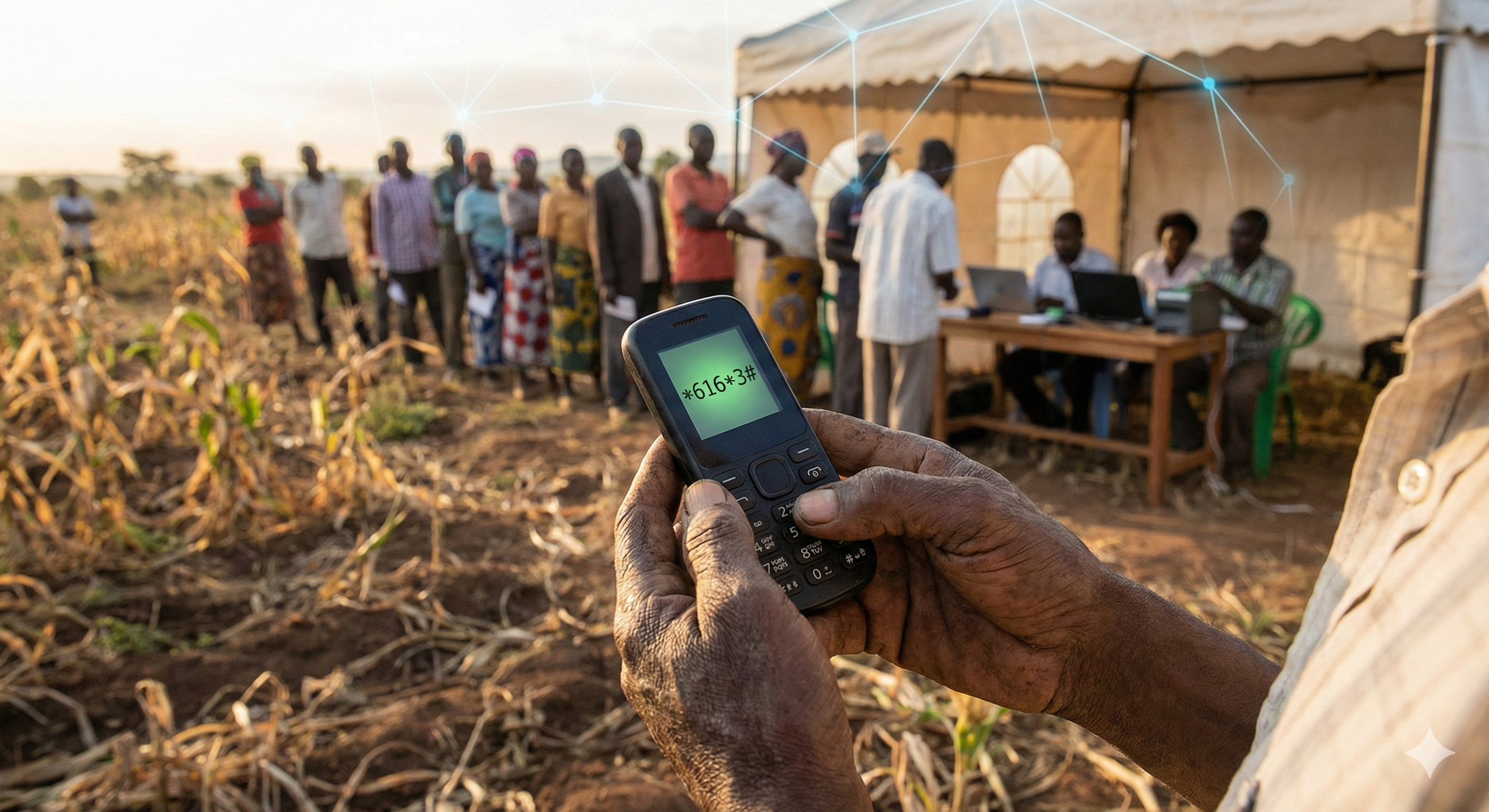
Farmers looking to access the subsidized fertilizer must ensure they are registered with KIAMIS, a digital platform designed to streamline distribution and enhance transparency. Registration can be done through the National Government Administration offices, including local chiefs and village elders, or by dialing *616*3# to confirm or update their details. The use of this system helps prioritize genuine farmers while reducing the risk of fraudulent claims. Once registered, farmers should promptly check with their nearest NCPB depots to inquire about fertilizer availability and collection procedures, as delays in retrieval could affect their planting schedules. Additionally, soil testing is recommended to determine the specific nutrient requirements for different crops, allowing farmers to apply the right type and amount of fertilizer for maximum productivity. Staying informed through official government communication channels, such as the Ministry of Agriculture and NCPB updates, is crucial to keeping track of distribution schedules and additional shipments. With proper planning, timely collection, and strategic application of fertilizer, Kenyan farmers stand to significantly improve yields, contributing to national food security and economic growth.