Raila Odinga’s Ambitious Bid for African Union Commission Chairperson

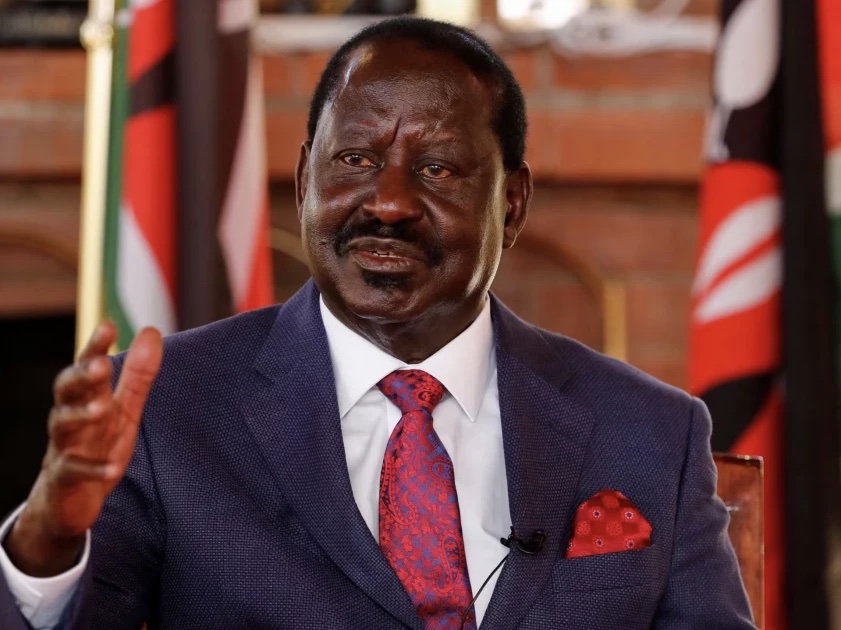
Raila Odinga, a veteran Kenyan politician and leader of the opposition, has set his sights on the prestigious position of African Union Commission (AUC) Chairperson. However, his bid faces significant hurdles due to proposed changes in the AU’s election rules. These new regulations, which aim to introduce stricter eligibility criteria, could potentially disqualify Odinga from the race. Despite this, Odinga’s ambition remains undeterred as he seeks to navigate these challenges with the support of the Kenyan government.

Raila Odinga

The Kenyan government, under the leadership of President William Ruto, has publicly endorsed Odinga’s candidacy. A campaign secretariat has been established to bolster his bid, reflecting a rare moment of cooperation between the two political adversaries. Nevertheless, internal coordination issues have led to delays in the formal submission of Odinga’s application. By June 30, 2024, the government had yet to submit his bid, raising concerns about their commitment and the potential impact on Odinga’s chances. The deadline for submission is fast approaching, with the government racing against time to ensure that all necessary documentation is filed by August 6, 2024. This delay has amplified anxieties about the effectiveness of the campaign and whether the bid will meet the stringent new criteria set by the AU.

In parallel with addressing submission delays, diplomatic efforts are in full swing to garner support for Odinga’s candidature across the African continent. Kenyan envoys have been actively lobbying for endorsements from other member states, emphasizing Odinga’s extensive experience and commitment to African unity. Domestically, Odinga has shown his political acumen by responding supportively to recent Gen Z demonstrations, while simultaneously criticizing the government’s heavy-handed response to these protests. He condemned the administration’s approach, aligning himself with the youth movements and advocating for more progressive policies. The outcome of these efforts remains uncertain, with the next few weeks being crucial for Odinga’s campaign. If successful, Odinga could leverage his political acumen and regional backing to secure the AUC Chairperson position. However, failure to meet the AU’s new eligibility criteria or the submission deadline could result in disqualification, significantly impacting his political trajectory.

References:

The Star Why Raila’s bid for AUC top job is yet to be submitted – PS Sing’oei
Nation State in race against time to officially nominate Raila for AUC post

Kenya News Agency Envoys Urged To Popularize Raila Odinga’s AU Bid
The Kenya Times EXPLAINED: New AU Changes That Could Lock Out Raila from Race

The Nairobi Law Monthly Govt yet to submit Odinga name for AUC position

The EastAfrican Kenya to submit Raila’s AUC candidature by June 30


Promising Advances in HIV Treatment and Potential Cure

Recent scientific advancements have sparked significant hope in the fight against HIV. A new injectable drug administered twice a year has shown 100% effectiveness in preventing HIV infections in clinical trials. This breakthrough offers a groundbreaking alternative to the current regimen of daily oral medications, which can be burdensome for many patients. The biannual injection not only simplifies the prevention process but also enhances adherence, significantly reducing the risk of infection, especially in high-risk populations. The trial, involving 3,200 participants across various demographics in the United States, South Africa, and Brazil, demonstrated remarkable efficacy, with no reported cases of HIV infection among those receiving the injection. The success of this trial suggests that widespread adoption of this method could revolutionize HIV prevention strategies globally.

In another promising development, researchers are making strides toward a potential HIV cure using CRISPR gene-editing technology. This innovative approach involves using CRISPR-Cas9 “scissors” to precisely cut out HIV DNA from infected cells, effectively eliminating the virus. In a landmark study, scientists successfully used this technique to remove HIV DNA from the genomes of living animals, leading to a significant reduction in viral load. The success of this technique in laboratory settings marks a significant step forward in the quest for a cure. However, experts caution that extensive research and rigorous clinical trials, including long-term studies to assess potential off-target effects, are needed to ensure the safety and long-term effectiveness of this method before it can be considered a viable treatment option for patients.

These advancements underscore the relentless efforts and collaborations within the scientific community to combat HIV. The injectable drug’s success in prevention and the potential of CRISPR technology in curing the virus represent a dual approach that could change the landscape of HIV treatment and prevention. As researchers continue to explore these promising avenues, there is renewed optimism that we may be closer than ever to ending the HIV epidemic. The integration of these breakthroughs into clinical practice could ultimately lead to a world where HIV is no longer a persistent public health threat.

References:

Citizen Digital HIV Breakthrough: Drug Trial Shows Injection Twice A Year Is 100% Effective Against Infection

BBC Scientists say they can cut HIV out of cells

Science Daily Researchers a step closer to a cure for HIV

Africa News Hopes of HIV cure after breakthrough using gene-editing ‘scissors’

Addressing Unrest in Kenya: Youth Engagement and Reforms

In recent weeks, Kenya has experienced a surge in protests predominantly led by Generation Z, who are voicing their dissatisfaction with the Finance Bill 2024 and broader governance issues. Initially peaceful, these demonstrations have been disrupted by violent infiltrations, leading to looting and confrontations with the police. President William Ruto has acknowledged the grievances of the youth and expressed a willingness to engage in dialogue, while emphasizing the need to maintain public order. Human rights organizations have criticized the government’s response, highlighting the need for accountability and a more nuanced approach to managing protests. These organizations argue that peaceful demonstrators should not be conflated with criminal elements who exploit the situation for personal gain.

Gen Z protestors barricade road in Nairobi

The Kenyan protests contrast sharply with the Arab Spring demonstrations, which were characterized by widespread, often leaderless uprisings against autocratic regimes across the Middle East and North Africa. The Arab Spring saw governments toppled and significant political upheaval, driven by a combination of economic despair, political repression, and a desire for democratic reforms. In contrast, the Kenyan protests are more structured, with specific economic and social grievances articulated by the youth. While the Arab Spring often faced violent crackdowns, the Kenyan government’s approach has been to engage in dialogue and propose reforms, although incidents of police brutality have been reported. This approach underscores the Kenyan administration’s recognition of the legitimacy of the protesters’ demands, even as it grapples with maintaining public order.

To address the current unrest effectively, it is essential for the Kenyan government to establish a structured dialogue platform with youth leaders. This platform should facilitate regular consultations to address grievances and co-create solutions. Reassessing the Finance Bill 2024 in collaboration with economic experts and community representatives could help address the underlying economic concerns driving the protests. Comprehensive police reforms are also necessary to ensure law enforcement operates with greater accountability and respect for human rights. Effective public communication strategies are vital to fostering transparency and understanding between the government and the populace. Supporting peaceful protests by providing security and preventing infiltration by criminal elements is essential to safeguarding the rights of demonstrators and maintaining public order. These measures, aligned with studies on youth demonstrations’ impact on political change in Africa, can help Kenya navigate this period of unrest constructively and restore trust between the government and its citizens.

References:

The Star Leaders condemn infiltration of Gen Z protests by goons

France24 Kenyan police arrest hundreds accused of looting during anti-government protests

Citizen Digital ‘Ragtag Militia Infiltrating Peaceful Protests,’ Gideon Moi Condemns Violence In Protests

Lethal Repression of Peaceful Protest in Africa. Why Do (non-) Accountable and Military Regimes Shoot By Torsten Mix, Master’s in International Security (Downloadable dissertation paper)

Accord Youth Demonstrations and their Impact on Political Change and Development in Africa

AllAfrica Kenya: Youths March in Tribute to Anti-Budget Protest Victims in Nairobi

Manchester United’s Coaching Staff Shakeup: Van Nistelrooy & Hake Joining Ten Hag

Hey United fans, get ready for some electrifying changes at Old Trafford! Erik ten Hag is shaking up his coaching staff with some big names. The legendary Ruud van Nistelrooy is in talks to join Ten Hag’s backroom team. Imagine the wisdom he could impart to our strikers like Rasmus Hojlund and Marcus Rashford. His return is sure to inject fresh energy and elite-level insights into our attacking play.

Photo Credit: IMAGO

Alongside this, Rene Hake is coming on board, a coach known for his tactical sharpness and knack for developing young talent. This move highlights Ten Hag’s strategic vision to elevate our squad’s technical and tactical prowess. While we bid farewell to Benni McCarthy and Mitchell van der Gaag, these changes underscore a commitment to new ideas and approaches aimed at pushing United back to the top.

For Man-U fans in Kenya, these updates are a beacon of hope. With the blend of legendary experience and innovative tactics, we can look forward to a revitalized squad ready to challenge for top honours. Let’s rally behind Ten Hag and the team as they gear up for a thrilling season. Glory, glory, Man United! Stay updated with topical stories from Jijuze – The Kenyan News Digest!

References:

United In Focus Two out and two in on Man Utd coaching staff in 2024 as Benni McCarthy decision made

SportsMole Man United ‘to add’ Eredivisie manager to Erik ten Hag’s coaching staff
The Athletic Erik ten Hag set for coaching staff reshuffle at Manchester United

Manchester Evening News Rene Hake set to join Manchester United coaching staff as overhaul continues

The Sun An overhaul of Manchester United’s backroom is set to see Go Ahead Eagles manager Rene Hake join the club’s coaching staff.

Revolutionizing Healthcare Funding: SHIF vs. NHIF in Kenya

The Social Health Insurance Fund (SHIF) is being introduced to replace the National Hospital Insurance Fund (NHIF) to enhance universal healthcare in Kenya. The initiative is aiming to address inefficiencies in NHIF by offering broader coverage and improved services.

It has been a long road to this point whereby previous attempts to introduce the SHIF have been met with significant resistance from healthcare practitioners and legislators concerned about the system’s readiness and financial burden on contributors. Legal challenges have also hampered the process questioning the mandatory contributions and rapid implementation timeline.

SHIF Registration to begin on 1st July, 2024

Scheduled for July 1st 2024, the planned rollout has so far encountered ICT system related difficulties pointing to possible inadequacies thus has led to a likelihood of postponement and continued reliance on NHIF. This latest development has caused confusion and uncertainty about the transition process. Many citizens are unclear about SHIF’s benefits and practical differences from NHIF. That notwithstanding, the government has assured Kenyans that the registration process will be straightforward, with citizens required to register at local centres or online. Registration will be free of charge and migration of existing NHIF members will be automatic, whereby members will confirm and update their details.

SHIF aims to revolutionise healthcare funding in Kenya. Despite resistance, legal challenges and operational issues, the ongoing efforts by the Ministry of Health are focused on addressing system readiness and stakeholder concerns to achieve efficient healthcare coverage.

References:

The Star Explainer: Difference between NHIF and SHIF

The Star Kenyans to register afresh for universal healthcare

Citizen Digital Kenyans to begin contributing to SHIF in July 2024

Business Daily SHIF transition team wants July 1 rollout plan suspended

Rising Tensions in Kenya: Public Outcry and Unrest Amid Finance Bill Controversy

Kenya has been rocked by a week of heavy protests against President William Ruto’s proposed Finance Bill 2024, which aimed to raise $2.7 billion through new taxes on basic commodities, motor vehicles, and financial transactions. The widespread public outcry and violent demonstrations led to the bill’s withdrawal, highlighting the deep-seated discontent among the Kenyan populace. Despite this concession, protests continue across major cities like Nairobi, with citizens demanding more significant changes, including Ruto’s resignation, amid frustrations over the rising cost of living and lack of economic opportunities.

Thursday protests in Nakuru

The protests have exposed broader grievances against the government. The heavy military presence in response to the unrest has further fueled tensions, with reports indicating over 20 deaths, 300 injuries, and numerous arrests as police used tear gas to disperse crowds. Amidst this turmoil, President Ruto signed the Appropriations Bill into law, subject to an adjusted supplementary budget, to ensure expenditure on critical services. This move aims to operate under the Finance Act 2023, financing a Sh3.9 trillion budget for the upcoming financial year. However, the government’s plan to reintroduce the Finance Bill with amendments has not yet succeeded in quelling the unrest. Engaging in meaningful dialogue with citizens, particularly the youth who are at the forefront of these demonstrations, is crucial for moving forward.

Addressing the underlying economic issues, implementing transparent governance, and ensuring that future fiscal policies do not disproportionately burden the poor will be vital steps in restoring trust and stability. The Kenyan government must take concrete actions to address the grievances that have fuelled the protests, such as creating job opportunities, reducing living costs, and increasing government accountability. These measures would demonstrate a genuine commitment to addressing the needs of the Kenyan people and help to ease the current tensions.As the situation evolves, the government’s responsiveness and the public’s resilience will shape Kenya’s path toward resolving this crisis. It is essential for everyone to remain vigilant against misinformation and cheap propaganda that can exacerbate divisions and hinder constructive dialogue. Accurate information and open communication will be key in navigating this period of unrest and working towards a more equitable and prosperous Kenya. In these turbulent times, a collective effort is required to ensure that the voices of all Kenyans are heard and that the country’s leadership takes meaningful steps to address the root causes of the unrest.

References:

Reuters Kenya’s young protesters plot next moves after dramatic tax win

The Star Empty roads, closed shops: Gen Z scale down protests amid heavy military deployment
Kenya News Agency Scores Nursing Injuries Sustained In Protests

All Africa Kenya: President Ruto Signs Appropriations Bill Subject to Adjusted Supplementary Budget

Kenyan-Led Mission to Restore Stability in Haiti: A Historic Stand for Humanity

In a bold move towards global solidarity and humanitarian aid, Kenya is stepping up to tackle the rampant gang violence in Haiti. This week marks a significant milestone as the first contingent of Kenyan police officers departs for the Caribbean nation, aiming to restore order and bring hope to its beleaguered population.

Haiti has been engulfed in chaos for years, with violent gangs controlling much of the capital, Port-au-Prince. This lawlessness has led to widespread killings, kidnappings, and sexual violence, leaving the economy in ruins and essential services paralyzed. Hospitals have shut down, supply routes are blocked, and over half a million Haitians have been forced to flee their homes. With around half the population struggling to find enough food, the situation is dire. The crisis reached a breaking point in March when Prime Minister Ariel Henry was forced to resign amidst the escalating violence, underscoring the urgent need for a solution.

International efforts to stabilise Haiti have had a troubled history. The UN peacekeeping mission (MINUSTAH), which operated from 2004 to 2017, was marred by controversies, including civilian deaths, a cholera outbreak, and allegations of sexual abuse by peacekeepers. Despite these setbacks, the urgency of the situation in Haiti cannot be ignored. Gangs have tightened their grip on critical resources, including the main fuel terminal, effectively holding the nation hostage. The recent release of $100 million in US funding for the Kenyan-led mission reflects a renewed international commitment to addressing the crisis. This funding is not just for the immediate deployment of police but also for long-term projects aimed at restoring security and aiding Haiti’s recovery.

President Ruto flags off the first contingent of Kenyan police officers to Haiti

The Kenyan-led mission brings a fresh wave of hope for Haiti. Kenya is taking the lead by deploying an initial contingent of 400 police officers, with another 600 to follow. This mission is supported by personnel from Jamaica, the Bahamas, Barbados, Chad, and Bangladesh, all primarily funded by the United States. The goal is clear: break the stranglehold of gang violence, reopen humanitarian aid routes, and restore economic activity.

Kenyan President William Ruto emphasized the mission’s importance, calling it a historic stand for humanity and universal values. This mission aims to create a secure environment that will allow Haiti to hold its first elections since 2016, paving the way for lasting peace and stability. By addressing the root causes of the violence and providing robust support, the Kenyan-led mission offers a real chance for Haiti to rebuild and move forward.

As the Kenyan police officers embark on this critical mission, they carry with them the hopes of not just the Haitian people but the entire international community. Their bravery and dedication stand as a testament to the power of global solidarity and the unwavering commitment to humanitarian aid. This mission is more than just a deployment; it’s a beacon of hope for a nation in desperate need of stability and peace.

References

Capital News President Ruto flags off the first 400 Kenyan police officers headed to Haiti

The Humanitarian US releases funding for Kenya-led Haiti police mission

UN Deadly Violence in Haiti at Record High, Some Worst Scenarios Now Realities, Special Representative Tells Security Council, Urging Deployment of Support Mission

Reuters Kenyan police to arrive in Haiti this week, US State Department says

AP Haiti’s transitional council appoints new Cabinet tasked with leading a country under siege by gangs

The Impact of Digital Activism: Gen Z Protests Reshape Political Engagement in Kenya

The recent protests in Kenya against the Finance Bill 2024 highlight a significant shift in political activism, driven largely by Gen Z. These protests, organized under the banner of “Occupy Parliament,” leveraged digital platforms and social media to mobilize widespread participation across major cities. Digital tools, including AI-generated content and crowdfunding, played a crucial role in spreading information and organizing logistics. This wave of digital activism marks a departure from traditional ethnic-based mobilization to issue-based activism, as noted by Job Mwaura, a postdoctoral researcher at the Wits Centre for Journalism. The spontaneity and grassroots nature of these protests underscore a new era of political engagement in Kenya.

Government spokesperson Isaac Mwaura has suggested that foreign powers might be influencing these protests, citing President William Ruto’s international stances on issues like Russia’s aggression against Ukraine and calls for global financial reforms. Mwaura’s claims highlight the complex interplay between local discontent and international politics. The digital activism fueling these protests demonstrates a sophisticated use of technology, with young Kenyans employing strategies like AI to educate the public and hacking to draw attention to their cause. This digital-driven movement has successfully transitioned from online platforms to real-world actions, compelling political leaders to listen and even amend parts of the Finance Bill before its passage.

To resolve the conflict, the Kenyan government must enact legislative reforms that address the economic and social grievances of the youth. Firstly, a review and possible amendment of the Finance Bill 2024 should be undertaken to reduce the burden of punitive taxes on young people and marginalized communities. Additionally, legislation that promotes transparency and accountability in government spending could build trust. Establishing a Youth Advisory Council to provide input on policies affecting young people could ensure their voices are heard in the legislative process. Finally, creating legal frameworks to protect digital activism and free speech can foster an environment where the youth feel empowered to engage constructively in political discourse. These measures can bridge the gap between the government and its youth, ensuring stability and progress while maintaining the momentum of positive political change driven by a digitally empowered generation.

References:

The Star Foreign powers behind Gen Z protests, Isaac Mwaura alleges

Nation Angry and unafraid: When Gen Z storm country’s streets

The Conversation Kenya protests: Gen Z shows the power of digital activism – driving change from screens to the streets

Nvidia Surpasses Microsoft as Most Valuable Company in 2024

Nvidia (NVDA.O) has become the world’s most valuable company, surpassing Microsoft (MSFT.O) with a market capitalization of $3.335 trillion. Nvidia’s shares climbed 3.5% to $135.58 on June 18, driven by the booming demand for its AI chips. This feat comes just days after the company overtook Apple (AAPL.O) to become the second most valuable company. Microsoft’s market value now stands at $3.32 trillion after a 0.45% dip, while Apple’s value is $3.29 trillion following a 1.1% drop.

Photo Credit: Reuters

Nvidia’s rise has been meteoric, with its stock up nearly 182% this year and more than ninefold since the end of 2022, fueled by the surge in generative artificial intelligence. The company’s GPUs are crucial for AI development, dominating about 80% of the market for AI chips used in data centers. This dominance has propelled Nvidia’s revenue in the data center business to $22.6 billion, accounting for about 86% of its total sales. Since its stock market debut in 1999, Nvidia shares have skyrocketed 591,078%, turning a $10,000 investment into $59,107,800 today.

Founded as a niche player in the gaming community, Nvidia has transformed into a central figure in the tech industry. Under CEO Jensen Huang’s leadership, the company pivoted in the 2000s to develop GPUs for broader applications beyond gaming, setting the stage for its current AI boom. Despite its rapid ascent, Nvidia has yet to be added to the Dow Jones Industrial Average. To appeal to individual investors, Nvidia recently executed a 10-for-1 stock split. The company’s stunning growth has also elevated Huang’s net worth to over $117 billion, making him one of the world’s richest individuals.

References:

CNBC Nvidia passes Microsoft in market cap to become most valuable public company

Reuters Nvidia eclipses Microsoft as world’s most valuable company

Aljazeera Nvidia becomes world’s most valuable company, dethroning Microsoft

Nairobi Protests Against Finance Bill 2024: Impact and Future Prospects

Kenyans took to the streets of Nairobi’s Central Business District (CBD) on Tuesday, voicing their opposition to the contentious Finance Bill 2024. Backed by the Azimio coalition, demonstrators viewed the proposed legislation as punitive and counterproductive to economic stability. Amidst the vibrant chants and calls for reform, the National Assembly’s Finance Committee, feeling the pressure, announced it had dropped several contentious clauses in the bill. Led by Kimani Kuria, the committee stated that the changes were informed by the inflationary pressures confronting many Kenyans, setting the stage for a heated parliamentary session.

Citizen Digital

Amid the protests, questions emerged over the conduct of armed plainclothes police officers infiltrating the crowds. These officers, without uniforms or identification, targeted individuals suspected of leading or participating in the demonstrations. Human rights groups have decried this tactic, citing significant concerns over the apparent violation of constitutional rights. The officers’ actions, characterized by excessive force and lack of clear identification, have ignited calls for greater transparency and accountability from the National Police Service (NPS). The Law Society of Kenya (LSK) condemned the police interference, warning of legal action against unlawful directives and emphasising their commitment to holding violators personally liable.

Adding to the tension, ODM leader Raila Odinga expressed his pride in the protesters, particularly moved by a young female demonstrator who spoke passionately on his behalf. “I’m a very proud father today!” Raila declared on X, sharing the video that has since gone viral. The Azimio coalition criticized the government’s tactics, accusing them of playing ‘mind games’ with the public by including contentious proposals seemingly designed to provoke outrage. As MPs prepare for a special session to discuss amendments to the bill, both ruling Kenya Kwanza and opposition Azimio MPs have been summoned by their respective leaderships to firm up positions. The nation watches closely, hoping for a fair and transparent resolution to the ongoing crisis, as demonstrators’ resolve remains unshaken despite the challenges faced during the protests.

References:

Citizen Digital Police Or Goons? Questions Emerge Over Conduct Of Armed Plainclothes Officers At Anti-Finance Bill Protests

The East African MPs drop punitive taxes as protests rock Nairobi