As the African Nations Championship (CHAN) 2024 shifts its focus to East Africa, the co-hosting of the tournament by Kenya, Tanzania, and Uganda represents a significant shift in leveraging sports for economic transformation. For Kenya, this is a vital opportunity to recover its sporting integrity after a disappointing bid in 2018, underscored by considerable investments in stadium infrastructure, notably in Nairobi’s Nyayo Stadium and Eldoret’s Kipchoge Keino facility. These venues serve not just as football fields but as epicenters for urban redevelopment, spurring enhancements in transportation, hospitality, and small business interactions. The rising bookings in Nairobi’s hospitality sector indicate that CHAN is influencing broader economic dynamics, while also acting as a political lever to expedite long-delayed public works, showcasing the power of football in aligning with national development agendas.
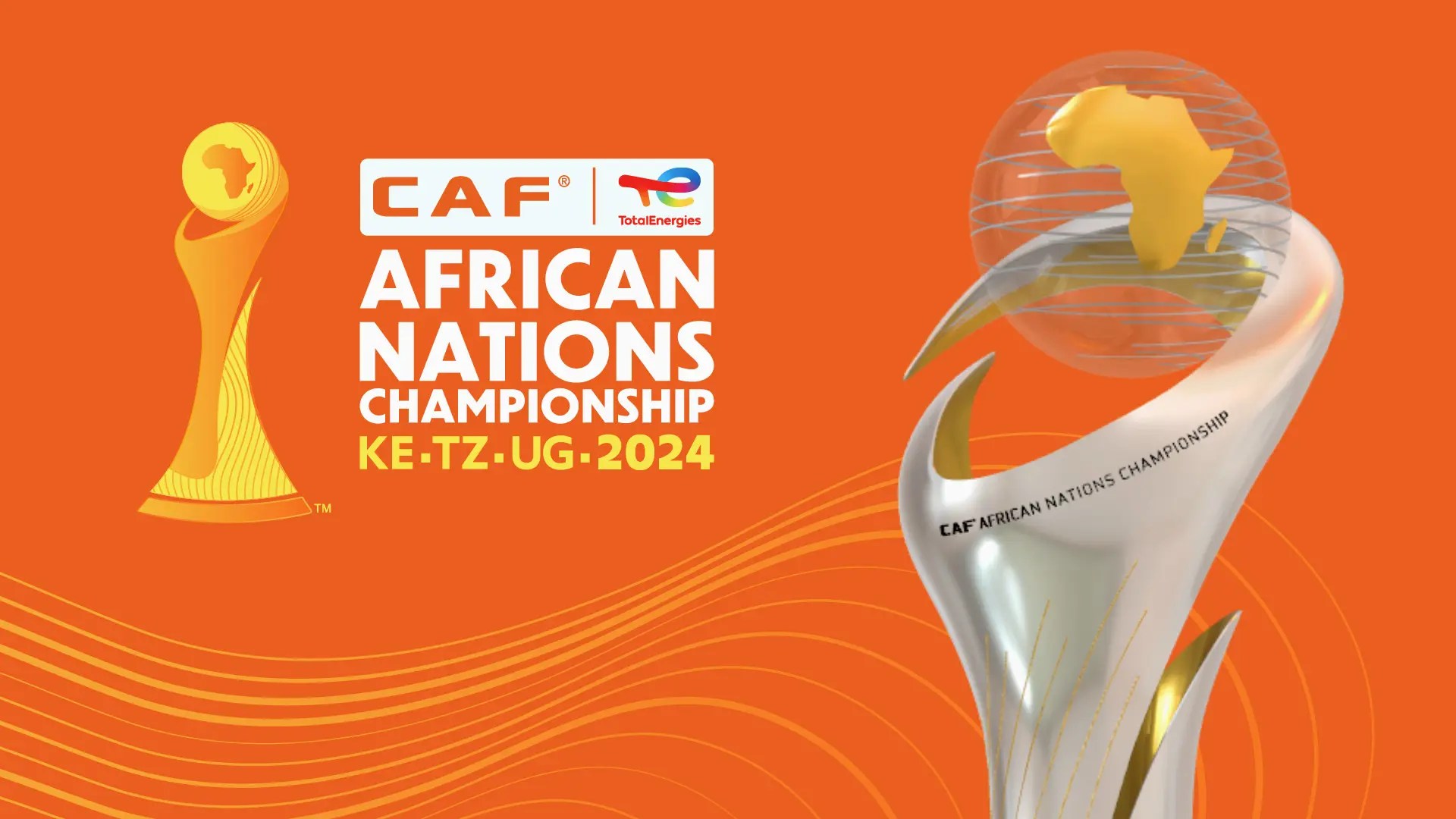
Tanzania’s strategy for CHAN 2024 is meticulously crafted around intentional, brand-driven national development, where the Benjamin Mkapa Stadium in Dar es Salaam is being promoted as a pivotal regional hub for intertwining sports, tourism, and diplomacy. The government is tying the tournament to a larger tourism revival initiative, highlighting not only Dar es Salaam but also related destinations such as Arusha, Zanzibar, and Kilimanjaro to attract visitors. With a projected TSh 85 billion anticipated to flow into the economy as a direct result of the events, Tanzania seeks to boost its visibility as a potential future AFCON bidder. This emphasis on long-term tourism sustainability and attractive international offerings is designed to craft a narrative of lasting impact that transcends the tournament.
As Uganda joins its neighbors in this collaborative effort, it is focusing on a community-centered approach despite logistical challenges concerning stadium upgrades. The government is investing in public-private partnerships that engage local artisans, vendors, and cultural showcases to ensure wider community involvement in the festivities. Investments in essential infrastructure, including public transport and sanitation, aim to position CHAN as a catalyst for enduring urban renewal. By pairing match experiences with unique local attractions like gorilla trekking and cultural tours, the Ugandan Tourism Board is working to transition CHAN visitors into long-term tourists. Overall, while the three nations unite to present East Africa as a cohesive travel destination, the urgent challenge lies in translating the tournament’s temporary excitement into lasting benefits for the region, effectively establishing their collective identity as a forward-thinking economic bloc.
References:
Citizen Digital Why CHAN 2024 is not just a tournament, but a catalyst for East Africa integration
The Standard CHAN 2024, Kenya’s opportunity to boost economy, tourism
Nile Post Uganda Co-Hosting CHAN 2024 is a Landmark Achievement in the Country’s Sports
EAC EAC to promote the region as a unified tourism destination at ITB Berlin 2025
IPP Media Zanzibar hotels overflow with tourists ahead of CHAN match
 Jijuze
Pingback: Kenya’s Event Security Challenges: A Wake-Up Call | Jijuze