In recent weeks, Kenya has experienced a surge in protests predominantly led by Generation Z, who are voicing their dissatisfaction with the Finance Bill 2024 and broader governance issues. Initially peaceful, these demonstrations have been disrupted by violent infiltrations, leading to looting and confrontations with the police. President William Ruto has acknowledged the grievances of the youth and expressed a willingness to engage in dialogue, while emphasizing the need to maintain public order. Human rights organizations have criticized the government’s response, highlighting the need for accountability and a more nuanced approach to managing protests. These organizations argue that peaceful demonstrators should not be conflated with criminal elements who exploit the situation for personal gain.
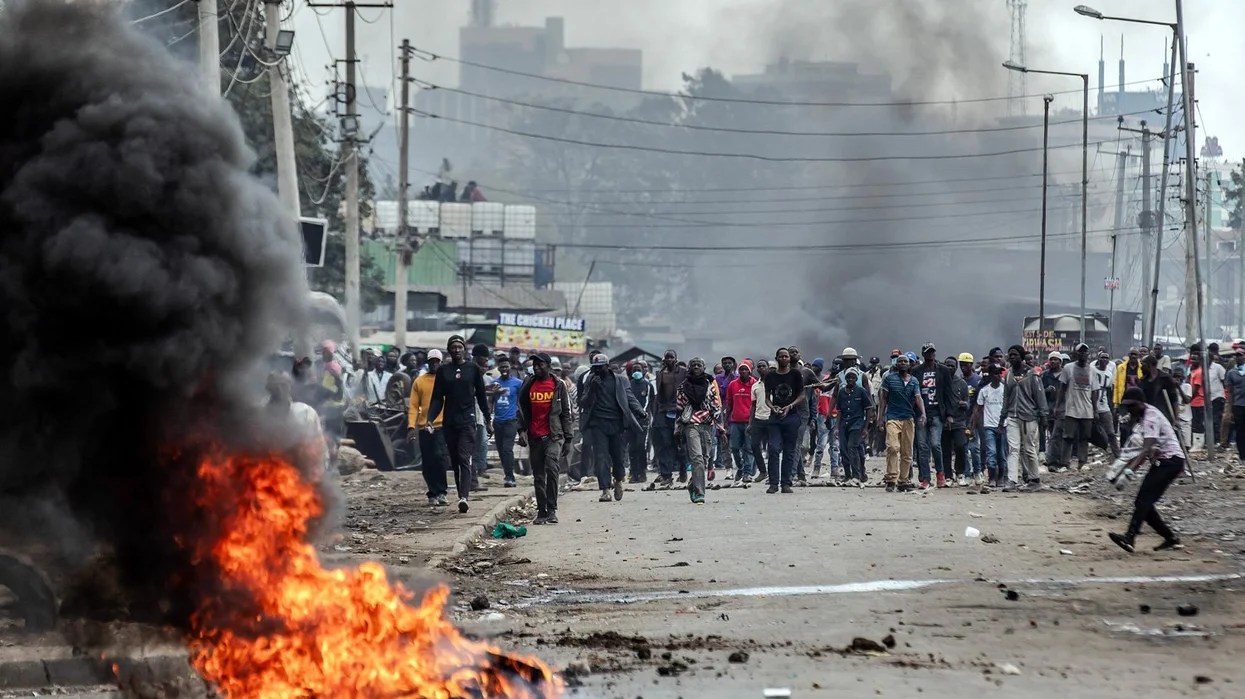
The Kenyan protests contrast sharply with the Arab Spring demonstrations, which were characterized by widespread, often leaderless uprisings against autocratic regimes across the Middle East and North Africa. The Arab Spring saw governments toppled and significant political upheaval, driven by a combination of economic despair, political repression, and a desire for democratic reforms. In contrast, the Kenyan protests are more structured, with specific economic and social grievances articulated by the youth. While the Arab Spring often faced violent crackdowns, the Kenyan government’s approach has been to engage in dialogue and propose reforms, although incidents of police brutality have been reported. This approach underscores the Kenyan administration’s recognition of the legitimacy of the protesters’ demands, even as it grapples with maintaining public order.
To address the current unrest effectively, it is essential for the Kenyan government to establish a structured dialogue platform with youth leaders. This platform should facilitate regular consultations to address grievances and co-create solutions. Reassessing the Finance Bill 2024 in collaboration with economic experts and community representatives could help address the underlying economic concerns driving the protests. Comprehensive police reforms are also necessary to ensure law enforcement operates with greater accountability and respect for human rights. Effective public communication strategies are vital to fostering transparency and understanding between the government and the populace. Supporting peaceful protests by providing security and preventing infiltration by criminal elements is essential to safeguarding the rights of demonstrators and maintaining public order. These measures, aligned with studies on youth demonstrations’ impact on political change in Africa, can help Kenya navigate this period of unrest constructively and restore trust between the government and its citizens.
References:
The Star Leaders condemn infiltration of Gen Z protests by goons
France24 Kenyan police arrest hundreds accused of looting during anti-government protests
Citizen Digital ‘Ragtag Militia Infiltrating Peaceful Protests,’ Gideon Moi Condemns Violence In Protests
Lethal Repression of Peaceful Protest in Africa. Why Do (non-) Accountable and Military Regimes Shoot By Torsten Mix, Master’s in International Security (Downloadable dissertation paper)
Accord Youth Demonstrations and their Impact on Political Change and Development in Africa
AllAfrica Kenya: Youths March in Tribute to Anti-Budget Protest Victims in Nairobi
 Jijuze