AI Revolutionizing Athletic Performance and Event Management at Paris 2024 Olympics

At the Paris 2024 Olympics, artificial intelligence (AI) is revolutionizing athletic performance, event management, and security. Athletes utilize AI-driven data analytics to refine their training and strategies, enhancing performance and reducing injury risks. In precision sports like gymnastics, AI assists in judging by analyzing movements with high accuracy, ensuring fair scoring. Additionally, AI-powered surveillance systems heighten security by detecting potential threats in real-time. The use of digital twins—virtual replicas of physical systems—optimizes energy management and venue maintenance, providing real-time monitoring and predictive insights for efficient operations.

IOC’s President Thomas Bach

In the realm of broadcasting, AI is revolutionizing how the Olympic Games are presented to a global audience. One of the key innovations is the use of AI-driven automatic highlight reels, which compile the most exciting moments from events in real-time. This technology not only caters to the preferences of viewers by generating personalized content but also allows broadcasters to deliver customized experiences to different regions. For instance, NBC is utilizing AI to create tailored commentary and summaries, providing a more engaging experience for audiences in diverse regions, including East Africa. This is particularly important in areas with varying internet bandwidths, where AI can optimize content delivery to ensure smooth streaming and access to high-quality broadcasts. Such advancements in AI technology are making the Olympic Games more accessible and engaging, allowing viewers worldwide to enjoy a personalized and immersive experience.

Despite the enthusiasm surrounding AI’s capabilities, there is a notable divergence in how broadcasters approach its integration. Some broadcasters are fully embracing AI to enhance the viewing experience and streamline content delivery, recognizing the potential for increased audience engagement and operational efficiency. However, others are approaching the technology with caution, raising concerns about ethical implications, including data privacy and the potential for algorithmic biases. This cautious stance underscores the need for a balanced approach that not only leverages AI’s benefits but also addresses its challenges. The differing strategies highlight the broader debate within the media and sports industries about the responsible use of emerging technologies. As AI continues to evolve, these discussions will be crucial in shaping the future landscape of sports broadcasting and event management.

References:

Reuters Paris Olympics broadcasters diverge on AI approach

Nature Three ways AI is changing the 2024 Olympics for athletes and fans

International Olympic Committee AI and tech innovations at Paris 2024: A game changer in sport

Tech.co From Scoring to Surveillance: 7 Ways 2024 Will Be The First AI Olympics
The Athletic AI comes to the Olympics: In Paris, new tech will change your view of the Games

Smooth Transition for Grade 9: Balancing Logistical Challenges and Academic Needs in Kenya

As Kenya gears up for the transition of Grade 9 learners, set for 2025, the government is facing a major logistical challenge. To address the expected increase in student numbers, the Ministry of Education has announced the construction of 16,000 new classrooms. This initiative is part of a broader effort to enhance the educational infrastructure, including the recruitment of 20,000 teachers to support the junior school curriculum. The move aims to ensure that the educational needs of the new cohort are met in a timely and efficient manner.

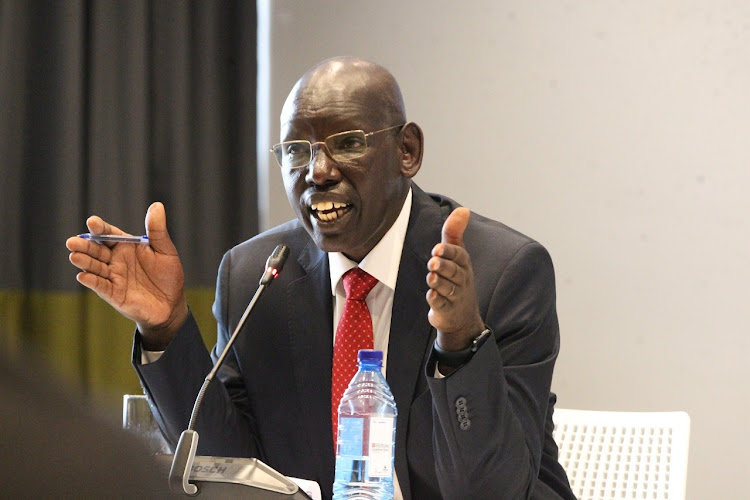
Belio Kipsang – Principal Secretary, Ministry of Education

A significant debate centers around whether Grade 9 learners should be housed in primary or secondary schools. The Ministry of Education, grappling with a current shortfall of 15,021 classrooms, is working on infrastructure expansion within existing primary school settings. However, there are concerns about the readiness of these institutions to accommodate the increased student population. The Ministry’s stance is largely influenced by logistical constraints and the need for a smooth transition, despite some advocacy for placing these students in secondary schools to better align with their developmental and educational needs.

School principals have voiced strong opinions on this matter, advocating for the relocation of Grade 9 to secondary schools. They argue that secondary schools are better equipped with the necessary facilities and resources to cater to older students. The principals believe that the shift would provide a more suitable environment for the academic and social development of these learners. However, this proposal comes with its challenges, including the need for substantial government investment in infrastructure and human resources. To ensure a smooth transition, it is recommended that the government establishes clear timelines and maintains transparency throughout the planning and implementation phases, thereby preventing any potential disruptions or crises.

References:

Nation Concern over readiness by State to launch Grade Nine

The Star 5000 learners commence Knec’s Grade 9 pilot assessment test in 235 schools

The Standard High schools best suited to host Grade 9 students

The Star Belio: We’ll construct 16,000 classes for Grade 9 learners

The Standard Grade 9 to remain in primary despite secondary school push

Nation Why Principals want Grade 9 moved to secondary schools

The Standard Major clash over hosting of Grade Nine learners as transition looms

Kenyan Executive Under Fire: Petition Filed for President and Deputy’s Removal

A legal petition has been submitted to the Kenyan courts seeking the removal of President William Ruto and Deputy President Rigathi Gachagua, citing constitutional violations and a breach of public trust. The petition, filed by Migeria Lempaa & Kariuki Advocates, accuses the leaders of incompetence and mismanagement, particularly highlighting the mishandling of economic policies and the discontinuation of vital social programs. The petitioners argue that these actions have resulted in socio-economic instability, undermining the constitutional responsibilities of the executive office.

Milimani Law Courts

The allegations hinge on Article 145 of the Kenyan Constitution, which provides grounds for impeachment, including gross misconduct and violation of the Constitution. The petitioners claim that the actions of Ruto and Gachagua meet these criteria, noting their failure to uphold public welfare and constitutional duties. They stress that the administration’s conduct could lead to further unrest and instability, drawing parallels with economic crises in other countries. The call for judicial intervention is seen as a necessary step to uphold governance and prevent further constitutional breaches.

Given the escalating public discontent, it would be prudent for President Ruto to consider reordering his government’s priorities to better align with the needs of the Kenyan populace. This could involve revisiting controversial economic policies and strengthening social support systems. By taking proactive steps to address the concerns raised in the petition, Ruto could mitigate potential political fallout and restore confidence in his administration. A focus on transparency, accountability, and responsiveness to public needs may offer a constructive path forward, potentially averting the need for drastic measures like impeachment or a public referendum.

References:

The Standard Petitioners move to court seeking to oust Ruto, Gachagua

Nairobi Wire Petition Filed to Remove Ruto and Gachagua from Office

Impeaching the Kenyan President is Not Treason, It’s Constitutional Ruth Nashipae Muigai, LLB(Hons). LLM

KLRC Constitution of Kenya: Article 145. Removal of President by impeachment


Kenyan Police Deployment in Haiti: Global Impact and Domestic Implications

Kenyan police have been deployed to Haiti as part of the United Nations Multinational Security Support mission, aimed at restoring stability in the face of escalating gang violence. The mission’s recent success in reclaiming the Auorite Portuaire Nationale (APN) in Port-au-Prince was achieved without any casualties, a significant achievement given the tense situation. During this operation, one of the armored vehicles broke down, requiring repairs on the roadside. This incident, witnessed by local residents, underscored the challenges faced by the contingent, which includes advanced equipment like US-supplied MaxPro trucks, crucial for maintaining security and aiding in humanitarian efforts.

The New Africa Channel

The mission, however, has sparked controversy in Kenya, where there is ongoing domestic unrest and criticism of the government’s decision to prioritize an international peacekeeping mission over local issues. The deployment comes amid a backdrop of economic difficulties and political unrest in Kenya, where protests have turned violent. Critics argue that the government’s focus should be on internal stability, questioning the legality of the deployment given a recent Kenyan court ruling deeming it unconstitutional. Despite this, President William Ruto has defended the mission, framing it as a critical contribution to global peace and security.

Looking ahead, the international community’s involvement in Haiti, including additional troops from various nations, highlights a collective effort to restore order and rebuild essential services. The outcome of this mission will not only impact Haiti’s future stability but will also influence Kenya’s international standing and internal political discourse. As the situation evolves, the mission’s success will be a key factor in shaping both international perceptions of Kenya’s role in global peacekeeping and the domestic debate over resource allocation and governance priorities.

References:

Associated Press Haiti’s prime minister says Kenyan police are crucial to controlling gangs, early days are positive

The Star Kenyan police in Haiti take over port after fierce clash with gangs
Aljazeera More Kenyan police deploy to tackle Haiti violence

VOA Kenyans wonder why police are deployed to Haiti while unrest churns at home

Nation Kenyan officers in Haiti upbeat about success of peace mission

Atlas News Kenya’s Haiti Deployment Is Scoring Victories

President Ruto’s Cabinet Nominations: ODM’s Future in Government and Opposition

Following President Ruto’s recent cabinet nominations, which included several ODM members, Kenyan political analysts are divided on the implications for the future of the opposition. While some believe that ODM is effectively back in government and should formally exit Azimio, others argue that their presence in both the cabinet and parliament creates a confusing scenario.

Citizen Digital

Political analyst Mark Bichachi suggests that ODM’s participation in the coalition government doesn’t necessarily signal the end of the party as an opposition force, noting that its primary goal is attaining power, which they have now achieved. He anticipates a shifting landscape where Kalonzo Musyoka emerges as the de facto leader of the opposition while President Ruto consolidates his control over parliament and the government. Meanwhile, Communication Strategist Barrack Muluka criticizes ODM’s dual role, calling it a “clever trick” to benefit from both sides without fulfilling their commitments to Azimio.

Communication specialist Dr. Charles Nyambuga speculates about the long-term impact on ODM, suggesting that Raila Odinga’s future involvement with the party might be limited due to his upcoming AU position. He envisions a potential leadership transition within ODM, but acknowledges the challenges of true “non-partisanship” under President Ruto’s administration. Despite the internal debates and external scrutiny, ODM MPs are emphasizing their commitment to national unity and responsible governance, assuring supporters that they will continue to hold the government accountable while serving Kenyans in new capacities.

References:

The Standard I have no interest in the Attorney General post, says Kalonzo

The Standard ODM party faces uncertain future amid political realignments

Kenya’s Political Landscape: Ruto’s Surprising Move and Good Governance Challenges

Kenya’s President Ruto has taken a surprising step by nominating four Cabinet Secretaries from the opposition party, sparking concerns about the legitimacy of his administration. The move comes as the country grapples with economic challenges and political tensions.

Left: Raila Odinga; Right: President Ruto

Sources close to the ruling party have revealed that the nominations were made without the formal approval of the opposition leader, Raila Odinga, who had previously issued demands for specific issues to be addressed before engaging in dialogue with the government. This development has left many wondering whether the opposition is quietly aligning itself with the government, potentially compromising its independence.

As the situation unfolds, analysts are cautioning that a broad-based government of national unity could have far-reaching implications for Kenya’s democracy. In light of this, it is crucial to examine the concept of good governance and its intersection with human rights. Good governance refers to the process by which public institutions conduct public affairs, manage public resources, and guarantee the realization of human rights in a manner free from abuse and corruption. This requires respecting human rights, ensuring transparency, accountability, responsibility, participatory decision-making, responsiveness to people’s needs, and freedom from corruption.

According to experts, good governance is closely linked to human rights, as human rights standards and principles provide a set of values to guide government actions and a framework for accountability. In turn, good governance is essential for respecting and protecting human rights in a sustainable manner.

The four key areas where good governance and human rights intersect are:

  1. Democratic Institutions: The establishment of strong democratic institutions is critical for ensuring that power is exercised transparently and in accordance with the rule of law.
  2. Public Service Delivery: Good governance requires effective public service delivery, which involves providing essential services to citizens in a fair, equitable, and efficient manner.
  3. The Rule of Law: The rule of law is essential for upholding human rights, as it provides a framework for ensuring that laws are respected and enforced fairly and without discrimination.
  4. Anti-Corruption Efforts: Anti-corruption efforts are vital for preventing the abuse of power and ensuring that public resources are used for the benefit of all citizens.

As Kenya’s government navigates this complex landscape, it is essential to prioritize good governance and ensure that institutions are accountable, transparent, and responsive to the needs of the people. This requires a commitment to upholding human rights, protecting fundamental freedoms, and promoting sustainable development.

References:

The Standard Mixed reactions as Ruto unveils new Cabinet

AllAfrica Kenya: Sifuna Insists ODM Not in Govt Despite Ruto’s Cabinet Picks

AllAfrica Kenya: Ruto Co-Opts ODM Into Govt Naming Joho, Oparanya, Mbadi In Cabinet

Associated Press Kenyan president appoints opposition ministers to his Cabinet amid political unrest

United Nations Human Rights About good governance

United Nations Human Rights OHCHR and good governance

Addressing Kenya’s Biomass Fuel Crisis: Impact on Public Health

Kenya faces a significant health crisis due to the widespread use of biomass fuels like firewood and charcoal for cooking. A recent study highlighted that over 90% of rural households and 58% of all households use the Three Stone Open Fire (TSOF), a method that produces high levels of indoor air pollution (IAP). These pollutants, including particulate matter (PM) and carbon monoxide, far exceed World Health Organization (WHO) safety guidelines, leading to respiratory diseases, cardiovascular problems, and increased cancer risks. The study estimates that nearly 23,000 deaths in Kenya in 2020 were attributable to IAP, underscoring the severity of the issue.

Cooking with firewood

The reliance on biomass fuels is driven by economic constraints and cultural practices, with rural households often lacking access to cleaner alternatives. The study found that even improved cookstoves, while better than TSOF, only partially reduce emissions. Furthermore, the transition to clean energy is hindered by the high cost of alternatives and limited infrastructure. The high levels of PM2.5, a fine particulate matter that can penetrate the lungs and bloodstream, particularly in urban slums, pose severe health risks, including chronic obstructive pulmonary disease (COPD), asthma, and acute lower respiratory infections (ALRI), disproportionately affecting women and children who are often exposed to cooking smoke for extended periods.

To address these challenges, the Kenyan government should prioritize the implementation of clean energy solutions. Emphasizing solar energy could be particularly impactful, as it provides a sustainable, long-term solution that can be scaled across both urban and rural areas. Subsidizing solar panels and supporting community-based solar cooking initiatives could significantly reduce dependence on harmful biomass fuels. Additionally, promoting public awareness about the health risks of IAP and improving household ventilation are crucial steps. A multifaceted approach, involving various stakeholders, is essential to reduce the reliance on harmful biomass fuels and improve public health outcomes across the nation.

References:

Kenya Household Cooking Sector Study Ministry of Energy, 2019

Springer Link Indoor Air Pollution in Kenya

Nation ‘Cooking with firewood affects my health but I don’t have an alternative’

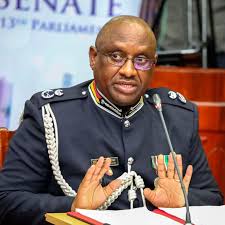
Navigating Change: The Path Ahead for Kenya’s Acting Inspector General of Police

The Kenyan Police Service stands at a crossroads, facing both challenges and opportunities as it enters a new chapter under Acting Inspector General Douglas Kanja. Kanja’s appointment follows the resignation of Japhet Koome, whose tenure was marked by controversy, particularly surrounding the handling of recent anti-government protests.

Former Inspector General of Police – Japhet Koome

Koome took office in November 2022, bringing with him 31 years of experience within the force. He had previously served as Nairobi County Police Commander and Commandant of the National Police Service College in Kiganjo. His appointment was meant to bring stability and reform after a period of political turbulence and public distrust in law enforcement. However, his time in office was overshadowed by escalating tensions between citizens and authorities, fueled by President Ruto’s administration’s introduction of controversial tax hikes.

The protests that erupted in response were met with a heavy-handed police response, resulting in at least 39 deaths according to Kenya’s national rights watchdog. This sparked widespread condemnation both domestically and internationally, with accusations of excessive force and human rights violations leveled against the police. Public outcry intensified, leading to calls for Koome’s resignation and an overhaul of the police force. While President Ruto initially dismissed the protesters, mounting pressure forced him to concede, ultimately accepting Koome’s resignation on July 12th, 2024 and appointing Kanja as Acting Inspector General.

The situation highlights several deeply rooted issues within Kenya: the ever-present struggle for economic justice, concerns over government transparency and accountability, and a history of police brutality that continues to erode public trust. Kanja now faces the daunting task of restoring faith in the police service while addressing these fundamental challenges. His success will depend on his ability to implement meaningful reforms, promote human rights, and build bridges between law enforcement and the communities they serve.

Acting Inspector General of Police – Douglas Kanja

Looking ahead, Kanja’s leadership presents an opportunity for positive change within the Kenyan Police Service. He can prioritize de-escalation tactics during protests, strengthen internal oversight mechanisms to ensure accountability, and invest in community policing initiatives that foster trust and collaboration. It is crucial for him to engage with civil society organizations, human rights groups, and ordinary citizens to understand their concerns and work together towards a more just and equitable society. The road ahead will undoubtedly be challenging, but with commitment, transparency, and a genuine desire to serve the people, Kanja can pave the way for a more effective and ethical police force in Kenya.

References:

Citizen Digital Japhet Koome Sworn In As New Inspector General Of Police

The Star 8 police bosses shortlisted for Deputy Inspector General position

Aljazeera Kenya police chief resigns after criticism over protest crackdown

The Star Police boss IG Japhet Koome resigns

Kenya Kwanza Legal Challenges: Impact on Economic Transformation

President William Ruto’s Kenya Kwanza administration has faced a series of legal challenges that have impeded the implementation of the Bottom-Up Economic Transformation Agenda. In January 2024, the High Court issued an injunction against Ruto’s proposal to deploy police officers to Haiti to combat gang violence, declaring the initiative unconstitutional. The judiciary underscored that there was no legal basis for sending police abroad instead of military personnel, granting the government a 14-day window to file an appeal. This ruling exemplifies the judiciary’s stringent oversight of the executive’s international commitments.

In February 2024, another judicial setback occurred when the court enjoined the funding for a pet housing project, integral to Ruto’s broader affordable housing initiative. The court found the funding mechanism incompatible with constitutional mandates, thus stymying Ruto’s flagship program aimed at alleviating housing shortages. This judgment highlighted the judiciary’s rigorous interpretation of constitutional provisions governing public expenditure and developmental projects, reinforcing the legal scrutiny applied to executive actions.

These judicial rebuffs are part of an ongoing trend where the courts have systematically invalidated various projects and proposals under the Kenya Kwanza agenda. The recurrent legal impediments have substantially hampered the administration’s capacity to implement its strategic plans, underscoring the judiciary’s crucial role in shaping public policy and governance in Kenya. These legal confrontations illustrate the persistent tension between the executive and the judiciary, as Ruto’s administration navigates the intricate constitutional and legal landscape to advance its ambitious policy objectives.

References:

Nation Blocked: Ruto’s never-ending losing streak in court

BBC How Kenya’s judges stood up to President William Ruto

Global Initiative Kenya’s High Court blocks proposal to send police support to Haiti

BBC Kenya housing levy: Blow to William Ruto as court blocks tax

The EastAfrican Ruto furious after court blocks funding for pet housing project

Investor Anxiety in Kenya as Treasury Bond Auction Falls Short

The recent Treasury bond auction by the Central Bank of Kenya (CBK) has highlighted significant investor anxiety, as only KSh 486 million was raised against a target of KSh 20 billion. Treasury bonds, which are debt securities issued by the government to support spending, typically offer a reliable return over a fixed period. However, the stark shortfall in this auction indicates a substantial shift in investor confidence, reflecting broader economic uncertainties and market dynamics.

A key factor behind this shortfall is the ongoing anti-government demonstrations led by Generation Z. These protests, marked by their intensity and widespread participation, have created a politically unstable environment that has spooked investors. The unrest casts doubts on the government’s ability to maintain long-term stability, prompting investors to seek safer or higher-yielding alternatives. This is particularly concerning as government bonds are usually considered a safe investment, providing predictable returns and security. The drastic underperformance in the bond auction suggests that investors are now wary of the political risks associated with the current administration.

The economic backdrop further complicates the situation. Rising inflation and global economic uncertainties add layers of risk that make long-term investments in government bonds less attractive. The stark difference between the KSh 20 billion target and the actual KSh 486 million raised underscores the severity of investor apprehension. To address this, decision-makers should consider implementing robust economic reforms, ensuring political stability, and engaging with youth movements to understand and address their concerns. These steps are crucial to restoring investor confidence and stabilizing the financial markets amid ongoing unrest.

References:

Business Daily CBK misses bond sale target amid standoff with investors

Kenyans.co.ke CBK Raises Ksh 488M in Disappointing Treasury Bonds Sale Targeted at Ksh 20B

The Kenyan Wall Street CBK Misses Target by 51% in the July Bond Auction

Pulse Live Gov’t Sh20billion bond misses target by 97%, signaling investor jitters