Mother’s Day, rooted in post-Civil War peace efforts led by Ann Reeves Jarvis, evolved into a significant holiday in 1908 when Anna Jarvis campaigned to honour her own mother, leading to its national recognition by President Woodrow Wilson in 1914. Today, alongside Mother’s Day, we celebrate Father’s Day, a holiday with its own unique origins and significance.
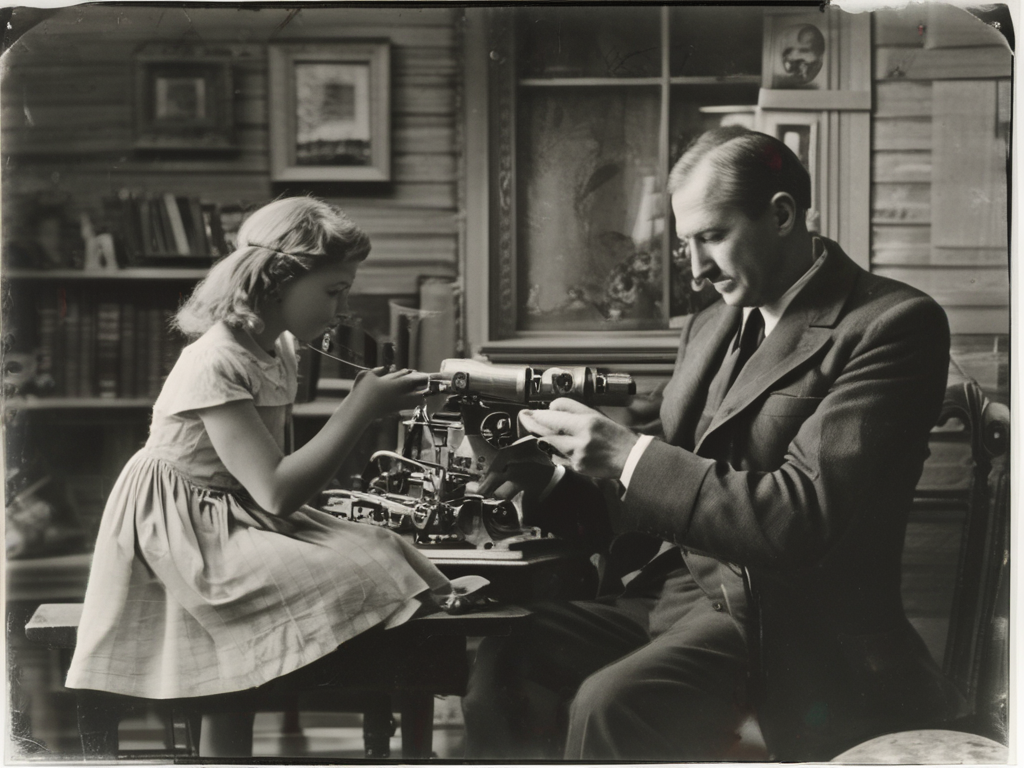
Father’s Day started on July 5, 1908, in West Virginia, honouring men who died in a mining disaster. Inspired by Mother’s Day, Sonora Smart Dodd from Spokane, Washington, proposed an official Father’s Day in 1909. Dodd, one of six children raised by a widower, sought to honour her father, Civil War veteran William Jackson Smart. She advocated for Father’s Day through local churches, the YMCA, and government officials, leading to Washington State celebrating the first statewide Father’s Day on June 19, 1910. Although the holiday initially struggled to gain traction, Dodd’s persistent promotion, supported by trade groups, helped it spread. By the 1930s, national awareness grew, and in 1972, President Richard Nixon officially recognised Father’s Day as a permanent national holiday.
Today, Father’s Day is celebrated globally, reflecting its broad appeal and recognition of fatherhood. In the United States, it is observed on the third Sunday in June, a tradition followed by many countries, including Kenya. Other nations, particularly in Europe and Latin America, honour fathers on St. Joseph’s Day in March. This global reach underscores the universal importance of acknowledging and celebrating the role of fathers in families and society.
References
Wikipedia Father’s Day (United States)
History Father’s Day 2024
 Jijuze