Decoding Elimu Thabiti: Is Kenya’s Education Truly Improved?

In April 2025, the Kenyan government did what governments often do when the heat rises — it rebranded. Out went the Competency-Based Curriculum (CBC), in came Competency-Based Education (CBE), now dubbed Elimu Thabiti — “Stable Education.” On the surface, it looked like a smart communications reset: streamline the curriculum, simplify delivery, calm public fears, and signal that Kenya’s education reform is finally maturing. But under the hood, the same unresolved problems are festering — and threatening to derail the system again. A new name hasn’t solved the deep cracks in Kenya’s education foundation: from underfunded schools and frustrated teachers, to digital inequalities and mismanaged infrastructure. The education sector is being reshaped with bold promises — but very few of the tools needed to make those promises real.

A Report by TV47 Kenya

Let’s talk numbers. While the Teachers Service Commission boasts about retooling 291,000 educators, independent research in 2025 shows two-thirds of teachers say they haven’t been adequately trained for CBE. Many still rely on the old 8-4-4 methods. Worse, over 343,000 trained teachers remain jobless while schools face a 72,000-strong staff shortage in Junior Secondary School alone. Promotion pathways are clogged, hardship allowances may be cut, and morale is low. Now layer that on top of infrastructure demands: the new “pathway model” for senior schools, launching fully in 2026, demands schools be categorized as “Triple Pathway” or “Double Pathway” — meaning massive upgrades to labs, sports halls, art studios, and digital infrastructure. And while the government talks about progress, the Auditor-General is flagging KSh 6 billion in irregular spending from previous education projects. What’s the point of planning a digital classroom if half the schools don’t even have functioning toilets?

And here’s the financial kicker: schools are still owed over KSh 64 billion in capitation arrears. As of May 2025, the promised Sh21 billion had yet to arrive. Headteachers are being fined Sh500 per project for late CBC/KJSEA submissions — even though many schools have no internet access or computers to begin with. Meanwhile, a flashy new KEAC Bill proposes AI exam grading and electronic assessment. Great on paper, but in classrooms across ASAL regions, basic digital literacy is still below 50%. While Finland’s President arrives with hope and MoUs to support Kenyan education, the shadow of the Uasin Gishu scholarship scandal still looms large. Education reform can’t run on optics alone. Kenya doesn’t need another slogan. It needs teachers who are paid and trained, capitation that arrives on time, classrooms that work — and honesty about just how deep the overhaul must go. If Elimu Thabiti is going to be more than a PR stunt, it has to fix the pipes — not just polish the tap.

References:

The Star MPs Raise Concern Over Zero Budget Allocation for KCSE, JSS Exams

The Eastleigh Voice Budget cuts jeopardise education for millions as key programmes struggle with shortfalls

The Eastleigh Voice CS Mbadi: KCSE funds frozen over misuse, but parents won’t pay

KBC Kenya, Finland sign deals to boost ties in peace, education

The Standard Kenya and Finland forge strategic partnership

Concerns Over Kenya’s Competency-Based Curriculum Implementation

Kenya’s ambitious shift from the long-standing 8-4-4 education system to the Competency-Based Curriculum (CBC) is facing mounting scrutiny as the first cohort of Grade 9 learners prepares for the pivotal transition to senior school and the selection of career pathways. This significant educational reform, intended to cultivate practical skills and competencies for the 21st century, has been met with growing apprehension from parents and the general public. Key concerns center on the readiness of schools to accommodate the new curriculum, particularly regarding infrastructure and resources, the preparedness and training of teachers to effectively deliver the competency-based approach, and the escalating financial burden placed on families to support their children’s learning. The lack of clear communication about the structure of senior school pathways and the specializations offered by different institutions has further amplified anxieties, leaving many stakeholders uncertain about the future direction of their children’s education.

A Report by NTV Kenya

A deeper examination reveals a multitude of specific challenges hindering the smooth implementation of the CBC, especially as it enters the senior school phase. Many public schools grapple with inadequate infrastructure, including classrooms and essential laboratories for STEM-related subjects, raising doubts about their capacity to effectively deliver the curriculum. Teachers, while some have received training, often feel ill-prepared for the hands-on, skill-based learning methodologies required by the CBC, particularly within the specialized senior school pathways. The financial strain on parents continues to be a major point of contention, with the costs of specialized learning materials and project-based assessments adding to the already significant expenses of education. Furthermore, the early specialization inherent in the CBC, with learners choosing career pathways at the end of Grade 9, has sparked concerns about potentially limiting future opportunities if these choices are not well-informed. The availability and quality of guidance and counseling to support learners in making these crucial decisions are also under question, with fears that inadequate support could lead to misaligned choices and unfulfilled potential.

A Report about Pathways to Senior School by NTV Kenya

In response to these widespread concerns, the Kenyan government has acknowledged the challenges and outlined various initiatives aimed at addressing them, including policy statements, transition guidelines, and teacher training programs . However, expert analyses consistently point to persistent issues such as inadequate teacher training, limited resources and infrastructure, financial burdens on families, and policy coordination challenges . Recommendations from education experts emphasize the need for enhanced and continuous teacher training, prioritized allocation of resources, effective engagement with parents and stakeholders, and sustained investment in school infrastructure . As the country navigates this critical juncture in its educational transformation, addressing these multifaceted concerns will be paramount to ensuring the successful implementation of the CBC and realizing its intended benefits for Kenyan learners .  

References:

Nation Grade 9 learners to choose senior school pathways in second term

Nation CBC: What parents and stakeholders want in transition to senior school

The Standard Maths no longer compulsory as CBC pioneers set to pick careers

The Standard Concerns over transition of Grade 9 learners to senior secondary school

Citizen Digital Wananchi Opinion: Why many are moving kids to International Schools

Challenges Facing Kenya’s Grade 9 Education Transition

With less than a month before Grade 9 learners resume studies on January 6, 2025, the readiness of Kenya’s education system remains a significant concern. Many schools are struggling with infrastructural challenges, with some yet to begin construction of new classrooms, while others lag behind schedule. This delay has been compounded by the government’s slow disbursement of funds to support the transition. Even where construction is underway, reports of shoddy workmanship have emerged as contractors, working on tight budgets or without funds, race against time. These logistical shortcomings have left education stakeholders, including parents and teachers, questioning the feasibility of a smooth transition to the final stage of Junior Secondary School (JSS). Staffing shortages have also compounded the problem, as the recruitment of 46,000 teachers since 2023 has barely scratched the surface of the human resource needs in schools under the Competency-Based Curriculum (CBC).

Citizen Digital Report

The issues plaguing the Grade 9 rollout reflect broader systemic challenges inherent in implementing CBC. Since its introduction, CBC has faced criticism over inadequate preparation and a lack of alignment with local realities. Kenya’s model has largely drawn inspiration from foreign systems, particularly Finland’s acclaimed competency-based education, yet it lacks the supportive structures that underpin success in such contexts. Finland’s achievements are rooted in a robust system of teacher training, well-equipped facilities, and motivated educators, elements that remain weak or absent in Kenya’s education landscape. Sub-Saharan Africa’s broader experience with competency-based curricula offers cautionary lessons. In countries like Tanzania, Rwanda, and Zambia, the transition to CBC has been marred by poor understanding among teachers, inadequate training, and insufficient resources. Many educators in these regions have reverted to traditional teaching methods, highlighting the gap between lofty aspirations and ground realities.

The parallels are striking. Kenya’s educators face similar challenges, with a significant proportion lacking the training needed to implement CBC effectively. Parents, too, have expressed frustration with what they perceive as a rushed and poorly communicated rollout. Meanwhile, resource constraints remain a glaring issue, leaving many schools ill-equipped to handle the transition. The lessons from other African nations emphasize the dangers of importing education systems without tailoring them to local needs. In Kenya, just as in Zambia, Rwanda, and Tanzania, teachers struggle to adapt to a curriculum designed for contexts vastly different from their own. While the government continues to assure stakeholders that CBC will transform the country’s education system, the reality on the ground suggests that urgent interventions are needed to avert chaos when Grade 9 resumes.

References:

Nation Grade 9: Staring at a crisis

Kenyans.co.ke Education Ministry Ready for Grade 9 Transition

Nation Move swiftly to avert looming Grade 9 crisis

The Standard 50 days to Grade 9 rollout: Are schools ready for CBC transition?

The Kenya Times Govt Addresses Looming Crisis in Schools Ahead of Reopening

The Star Ruto: We’re ready for Grade 9 transition in 2025

Nation Ruto says government is ready for Grade 9, but reality on the ground is different

Nation Why Grade 9 roll-out could be chaotic for schools

Kenya News Agency Kenya-Finland strategizes on CBC implementation

The Star Finland partners with Kenya to enhance CBC

Smooth Transition for Grade 9: Balancing Logistical Challenges and Academic Needs in Kenya

As Kenya gears up for the transition of Grade 9 learners, set for 2025, the government is facing a major logistical challenge. To address the expected increase in student numbers, the Ministry of Education has announced the construction of 16,000 new classrooms. This initiative is part of a broader effort to enhance the educational infrastructure, including the recruitment of 20,000 teachers to support the junior school curriculum. The move aims to ensure that the educational needs of the new cohort are met in a timely and efficient manner.

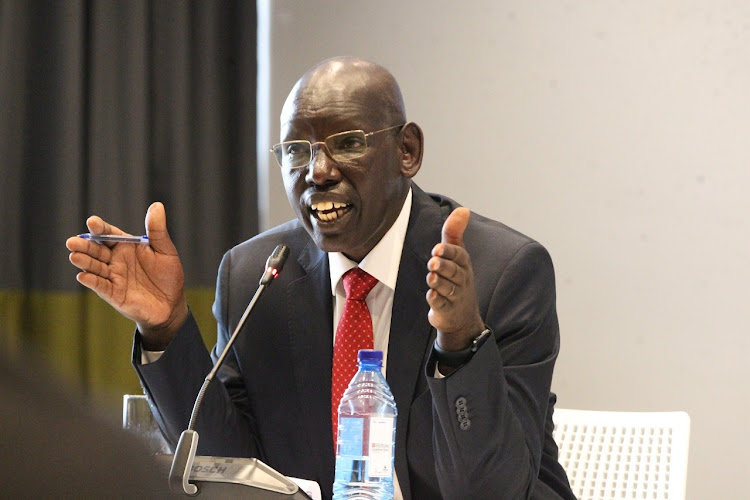
Belio Kipsang – Principal Secretary, Ministry of Education

A significant debate centers around whether Grade 9 learners should be housed in primary or secondary schools. The Ministry of Education, grappling with a current shortfall of 15,021 classrooms, is working on infrastructure expansion within existing primary school settings. However, there are concerns about the readiness of these institutions to accommodate the increased student population. The Ministry’s stance is largely influenced by logistical constraints and the need for a smooth transition, despite some advocacy for placing these students in secondary schools to better align with their developmental and educational needs.

School principals have voiced strong opinions on this matter, advocating for the relocation of Grade 9 to secondary schools. They argue that secondary schools are better equipped with the necessary facilities and resources to cater to older students. The principals believe that the shift would provide a more suitable environment for the academic and social development of these learners. However, this proposal comes with its challenges, including the need for substantial government investment in infrastructure and human resources. To ensure a smooth transition, it is recommended that the government establishes clear timelines and maintains transparency throughout the planning and implementation phases, thereby preventing any potential disruptions or crises.

References:

Nation Concern over readiness by State to launch Grade Nine

The Star 5000 learners commence Knec’s Grade 9 pilot assessment test in 235 schools

The Standard High schools best suited to host Grade 9 students

The Star Belio: We’ll construct 16,000 classes for Grade 9 learners

The Standard Grade 9 to remain in primary despite secondary school push

Nation Why Principals want Grade 9 moved to secondary schools

The Standard Major clash over hosting of Grade Nine learners as transition looms